
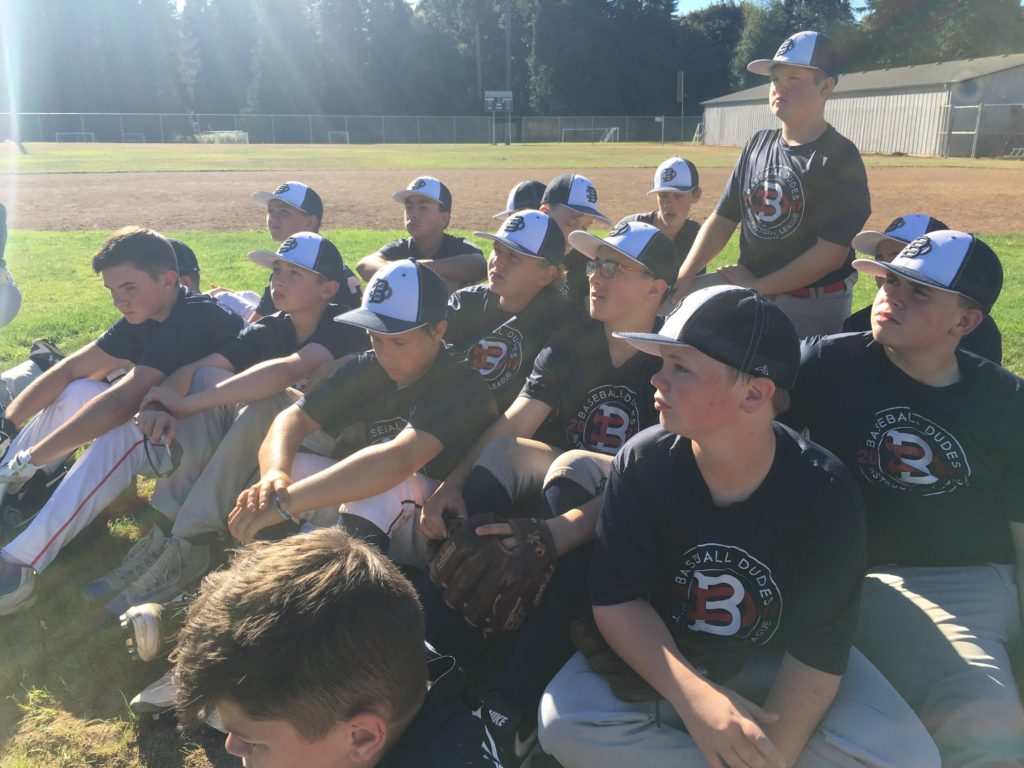
 What’s the main objective? What’s the ultimate goal? What does this all lead to? Is it fame? Is it fortune? Is it success? Is it about us? Is it about them? What is it??
Let me give you a bit of my personal highs and lows in the game and as a person. But while I list them out, understand that these achievements and failures are not listed to say look at what I have done, they do not define me as a person, coach or athlete, but to show you the ups and downs I have experienced as a player and person and how they all played a part in who I am today.
– Played majors in LL as a 9 year old.
– Was a LL all star.
– Played LL as a 13 & 14 year old.
– Pitched from 46′ at 12 years old and then jumped to the big field as a 13 year old and didn’t start learning HS rules until then (have to mention this as so many these days think if you wait until this age you have no chance).
– Also played basketball and football as a youth.
– Moved to a new state before freshman year of HS.
– Had to convince HS coach to give me an opportunity as a freshman as to them I was just a new kid and they already had their starters picked out.
– Was NOT a four year varsity player (2 years).
– Was NOT a good student as a freshman and sophomore.
– Had a very rough patch as a person/son as a sophomore.
– Chose the wrong group of friends during those years.
– Did not get good SAT scores.
– Signed to attend a major college.
– Was drafted in the 4th round after being led to believe it would be the 1st.
– Had an up and down first half of my professional career.
– 1st child born in 7th year of career, 2nd in 9th year and 3rd during the 12th year.
– Was released twice before ever pitching in the big leagues.
– Right timing, right coach or a combination of the two, I started to finally figure it out as a 25 year old.
– Had multiple seasons where my performance was deserving of a call up to the big leagues that never came.
– Finished with 14 years pitched with roughly 1500 innings pitched, over 1200 strikeouts, 500+ walks allowed, 130+ HR’s allowed in my minor league career, lost many and won many with my fondest memory being giving up #160 to Pujols that went nearly 500 ft!
– Had plenty of days I was great and plenty of days where I was flat out awful. In the end, the days I was bad are why I was able to achieve what I did.
– Was a part owner of a failed indoor facility.
– Coached in the minor leagues with the Angels for 3 years, left on my own terms.
– Have been blessed to mentor and work with many young athletes and their families over the last 10ish years.
Again, this list is to give you a better understanding of what I have personally experienced, gone through as an athlete, person and coach and to hopefully really help you understand that when I my thoughts on if this matters or that matters, it’s not just smoke. Not just something I have read about in a book. Not just something out of a story someone told me, it’s ALL from personal experience, from working with others and helping/teaching them how to grow and maneuver this crazy sports world.
So now let’s talk about this a bit. What matters most? Is it being an all star? Is it playing with and against the best talent? Is it playing for the so called “best” organization? Is it traveling all over the country to play? Is it committing to a D1 school? Is it being drafted? Is it playing in the big leagues?
All tremendous achievements and all goals attained BUT what if none of these things happen for you or your child? Be it because of not developing early, not being able to afford the travel and fees associated with the “best” program or not having the talent to play college baseball or reach the big leagues. Does that mean you are a failure? If you are so consumed with the thought that these are the only definitions of success, then yes, in YOUR mind you are a failure. If you let these ideas define you, you will behave like a failure.
Coming from someone who was blessed to accomplish what most will not, please take my word for this, IT’S NOT WHAT MATTERS MOST!
Who you become as a person, MATTERS MOST. The people you raise as a parent, MATTERS MOST. The people you help along your way, MATTERS MOST. The difference you make in the lives of others, MATTERS MOST…The energy you put out there, MATTER MOST. PERIOD!!
**The PROCESS that each success and failure requires, the lessons you have learned and will learn, how you grow as a person and the characteristic traits you will develop, the toughness and compassion, the determination and will, the grit and perseverance, the me attitude that transforms into a you attitude, IS WHAT MATTERS MOST.
Achievements are goals attained. We all have our own talents, our own goals, our own dreams. As you work towards each and every one of them, pay attention to the PROCESS. The work ethic you are acquiring, the lessons you are learning, the person you are becoming, the type of leader you are growing into because…THIS IS WHAT MATTERS MOST.

Founder of Baseball Dudes. Blessed with three beautiful children and an amazing wife. Baseball is my life, after my family, and I love sharing what I have learned from it. Thanks for taking the time to view what we offer here at Baseball Dudes.
 Day 1 = 20-30 minute run
 Truth is, as coaches and teachers, we will most likely never become permanent fixtures in our players and students lives. Some we may meet once while others we may get to spend years in front of but bottom line, we are not permanent.
 – Knowing that the best team doesn’t always win, but the team that plays the best that day, did.
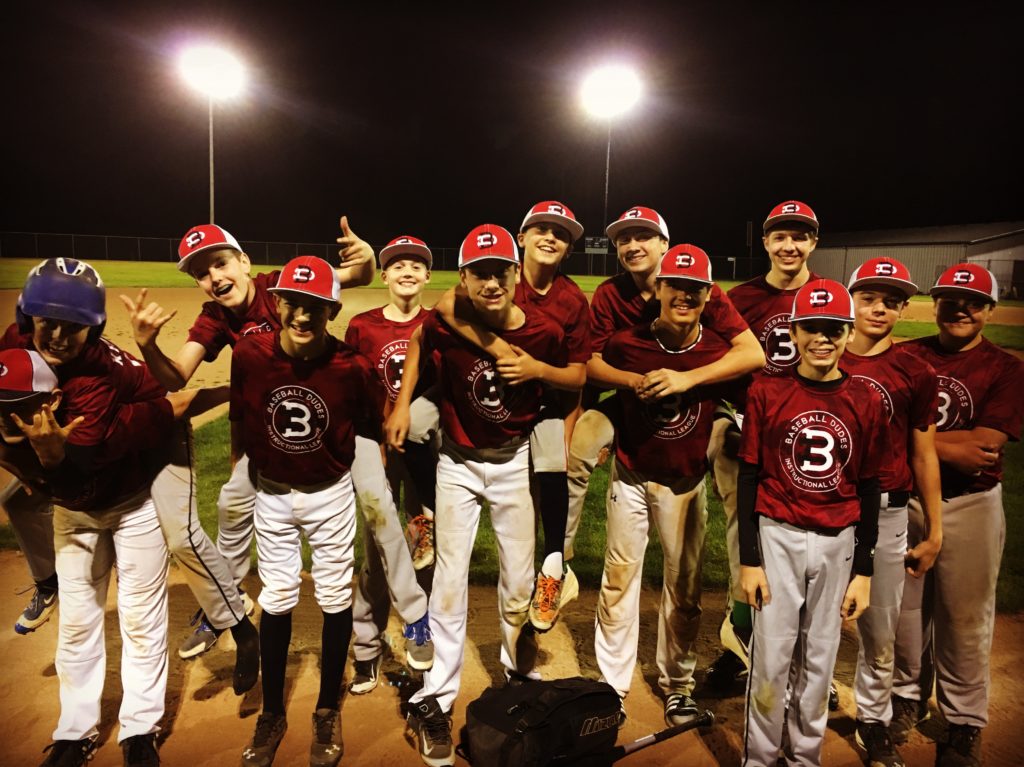 Had a conversation with a friend recently who wanted to share his situation and was looking for some advice. We have actually spoke on this topic often before and he has read most of what I have written on it. It’s that topic that seems to always be an issue of concern amongst the adults. Playing time and what’s deserving of it.
 Many years ago I started to notice a trend amongst my students which was honestly quite disappointing. Now, this has probably been happening since time began but once I noticed it and started to pay attention to it, I realized I may have been missing something with all of them pertaining this important life lesson.
 As I sat at home surrounded by my own flesh and blood watching the new Wonder Woman movie, I couldn’t help but be overwhelmed with emotions when at the end of the movie WW approaches a wall of Photographs of the fallen. She finds the photo of what the movie leads us to believe may have been her first love, and proceeds to run her fingers over his face. And just as the movie began with photo, it ended with a photo.
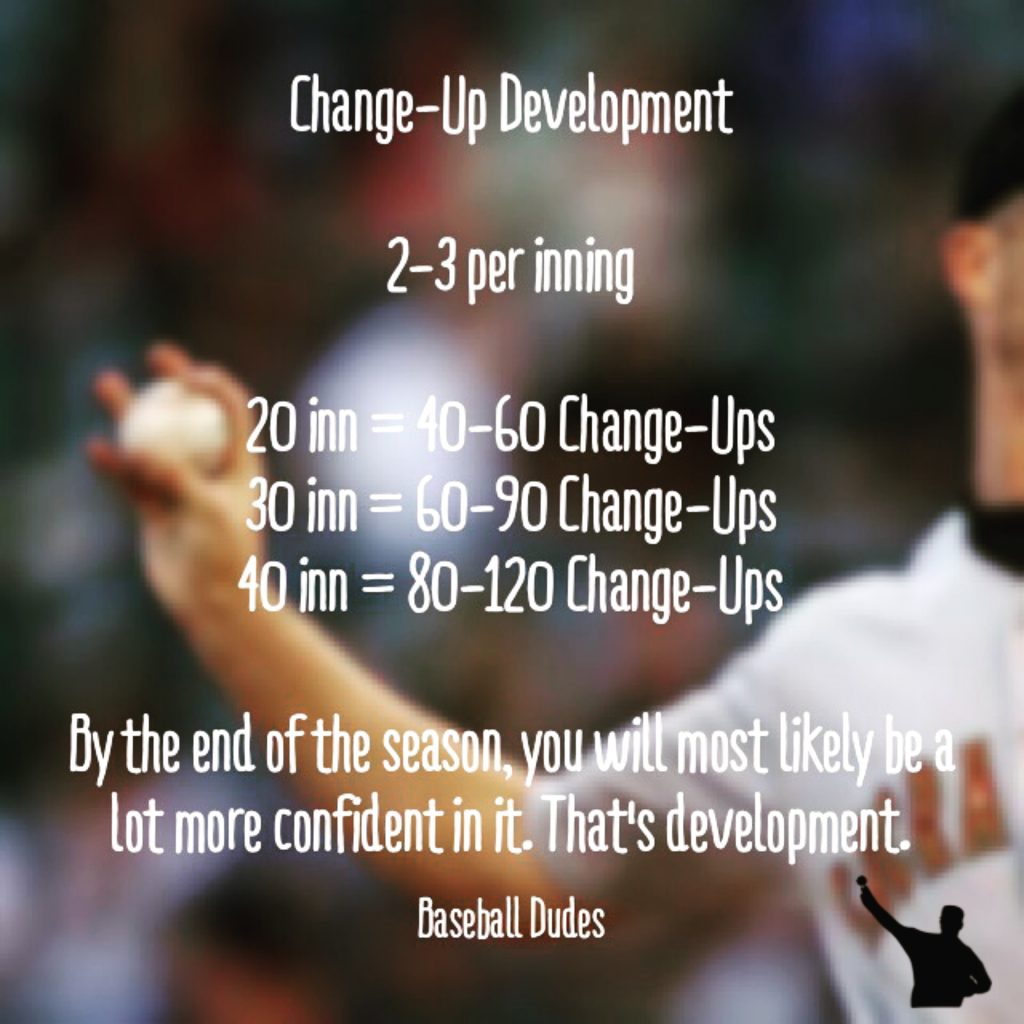 As a young player with an over-powering fastball, why would you throw a Change-Up in a game? You would be throwing it right into the hitters bat speed and be giving him a better chance of getting a hit so it wouldn’t make any sense…RIGHT??
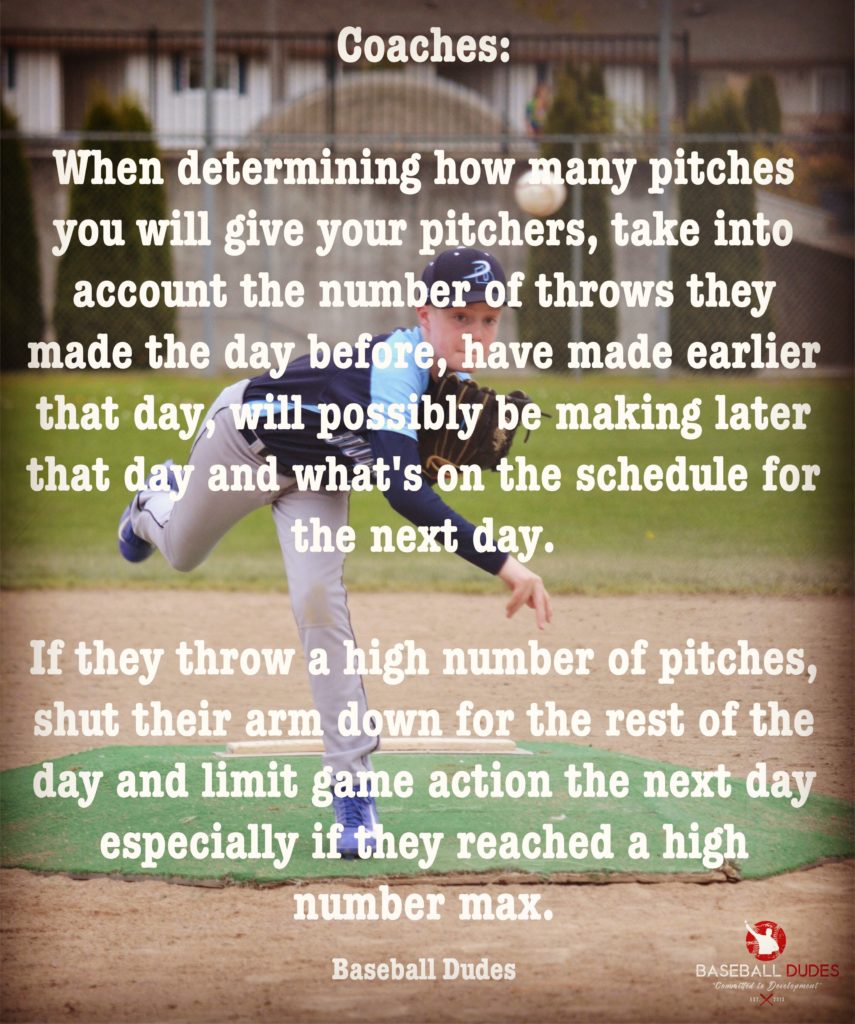 Arm Care has become a hot topic. With more and more information out there on why and how kids are getting hurt, why too many never get a chance reach their full potential, many are looking for answers. Looking for ways to help their young ones maybe take better care of their arms. Here are a few ideas for you…
 So much negativity…
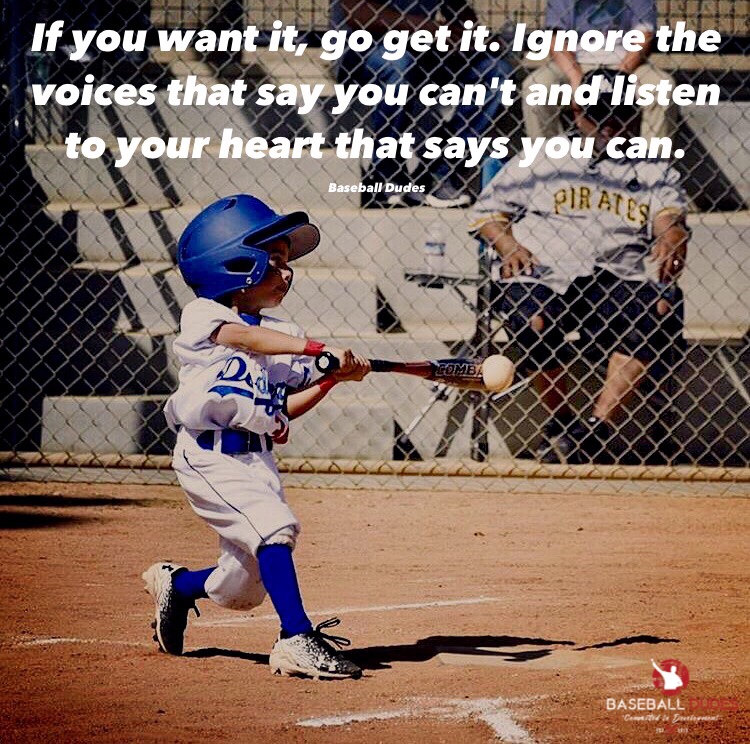 No one wants to fail. Failure is a negative, it’s embarrassing, it’s disappointing, it’s shameful, it’s downright unforgivable…Right??
 When your arm is prepared and conditioned for it, absolutely! When you haven’t pitched competitively in a game much recently because of little to no opportunity relating to too many arms on the team, poor weather conditions canceling games or because the coach is only throwing the same few arms every week, there’s no way your arm was ready for that many pitches.
 “Thank You Coach”
 In a game that started as a kids game. A game that is so fun to play and teach. A game which can lead to great things and a game which can teach us so much about ourselves and life, why is it so hard to find positive stories? Uplifting and motivating stories. They are out there but they seem to be buried by stories of neglect, abuse, greed and negativity. So frustrating!
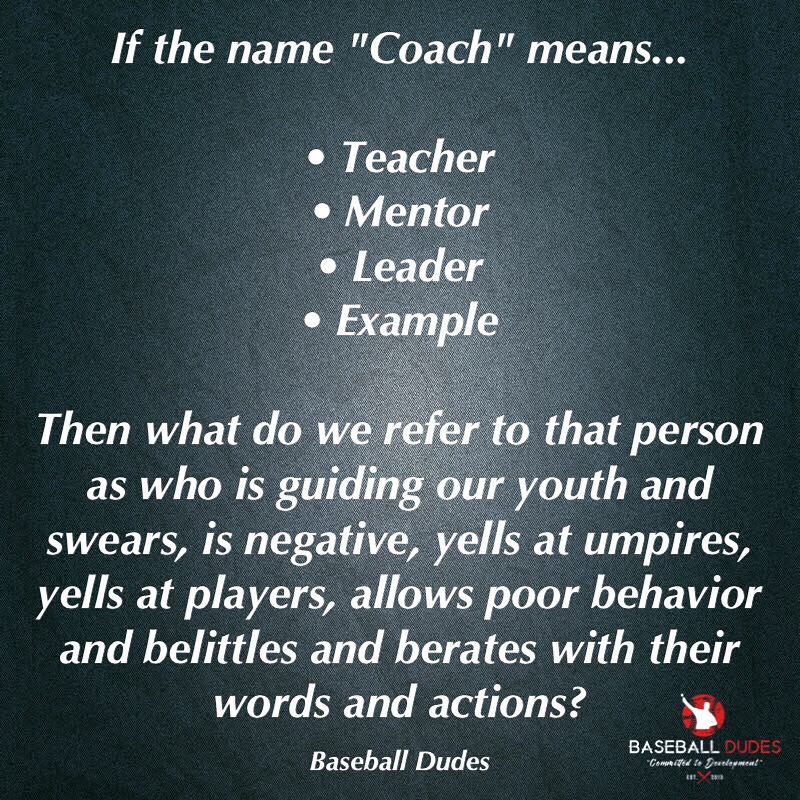 Do we really forget that these are kids? That they are clumsy. That their hand eye coordination is so far from being mature. That they are playing a tough game. That their normal focus level is nowhere near what ours is as adults, BY NATURE.