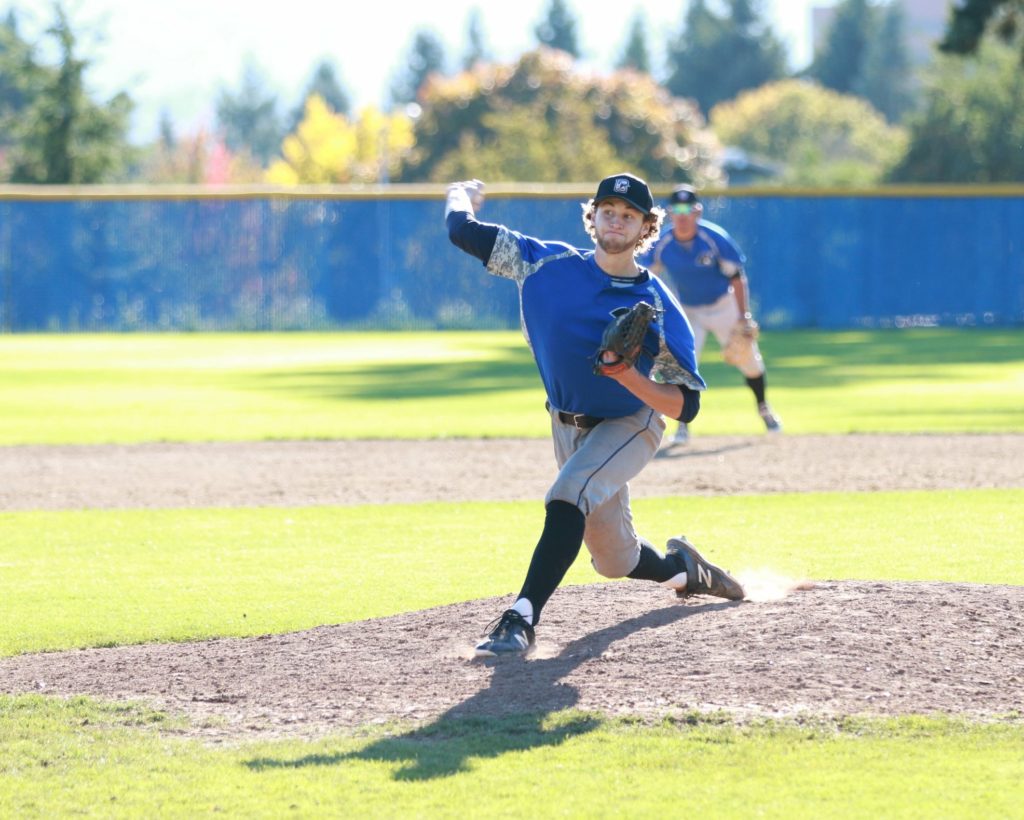
 As pitchers we are always trying to be better. We work to throw harder. We try to get our change up to drop more. We would love for our breaking pitchers to be sharper. This is a constant desire for those that spend years doing it, that’s part of what striving for excellence looks like. Now, there are most certainly things we can do to make our stuff “play” better than what it actually is. “Play” meaning how our stuff appears to the batters. Here are 5 ways to help make this happen…
1. Command the inside part of the plate!! Most hitters DO NOT like the ball inside, especially the higher the velocity. They want to get extended. It’s much easier for most of them to find the sweet spot with the ball further away from them. Throw fastballs inside for strikes AND for balls. Yes our main job is to throw strikes but sometimes purposely throwing a fastball inside off the plate can make them uncomfortable, maybe get them on their heels a little more and open up the outer half a little more. When they are aware we will come inside at any point it will give us more options as a pitcher.
2. Mix in a quick pitch. We are seeing it more and more at the highest level. Guys messing with leg lifts, using slide step pitches with no one on base and varying with delivery tempo. This is for one reason, to throw off the batters timing. Believe it or not, slide step change ups can be very affective pitches. The hitter has to rush their load and then try to hold back for the slower pitch. Very hard for most to do. As always, make sure pitchers we incorporate things like this into our weekly bullpens if we intend to do it in a game.
3. Work fast!! Be the first one out of the dugout. Get your warm up pitches done in 60-90 seconds. Put pressure on that first batter of the inning. Take no more than 8-12 seconds between pitches. Most hitters don’t want to feel rushed. They want to take their time. That’s okay as it is what works for them but we don’t necessarily want them to be “comfortable!” And remember this, when they call time out (because that is what they are taught to do when they feel rushed or do to slow us down) don’t get upset about it. It’s a good thing. It means we have them thinking about other things besides what they want to do with the next pitch.
4. Develop the ability to throw all your pitches in any count to any location. THIS is pitching. When the hitter knows you’re going to throw a first pitch FB 95% of the time, it starts to become less effective. When you only throw your breaking ball in two strike counts or when you’re ahead in the count, they will be more prepared for what to look for. Be able to execute your FB inside, outside, up and down. Be able to throw your CH to both righties and lefties whether you are ahead or behind in the count. Have the ability to throw your breaking pitches for get me over strikes, to put away (swing and miss) locations and back door/front door spots for strikes. We MUST become unpredictable to survive long term. Start developing this skill early!!
5. Get better at throwing more strikes!! The more we are ahead in the count the more effective our stuff is. When they are behind in the count the more they “protect” and chase pitches they wouldn’t as much when they are ahead in the count. Keep the pressure on THEM. When we are behind in the count, we are putting pressure on us. Practice pitching more, focus on hitting spots in catch, get more consistent with your delivery, visualize execution and positive outcomes and keep getting better at controlling those emotions to put yourself in a better mindset to think and compete with a clear mind.

Founder of Baseball Dudes. Blessed with three beautiful children and an amazing wife. Baseball is my life, after my family, and I love sharing what I have learned from it. Thanks for taking the time to view what we offer here at Baseball Dudes.
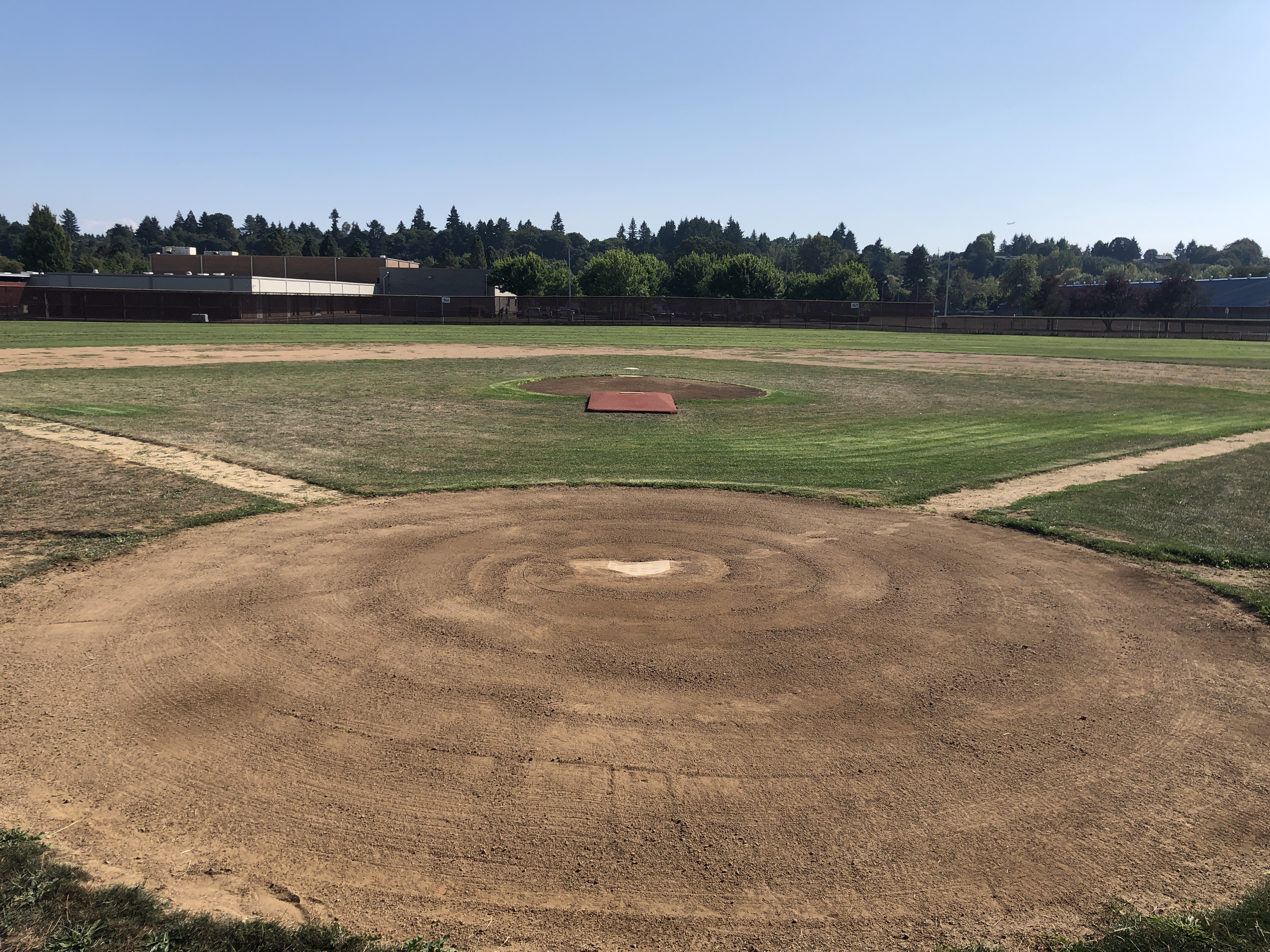 All dirt fields, mismatched uniforms (if they had them), hand me down cleats, bats and gloves (if they had them), old ratty baseballs and some stories of quitting school as teenagers to support their families.
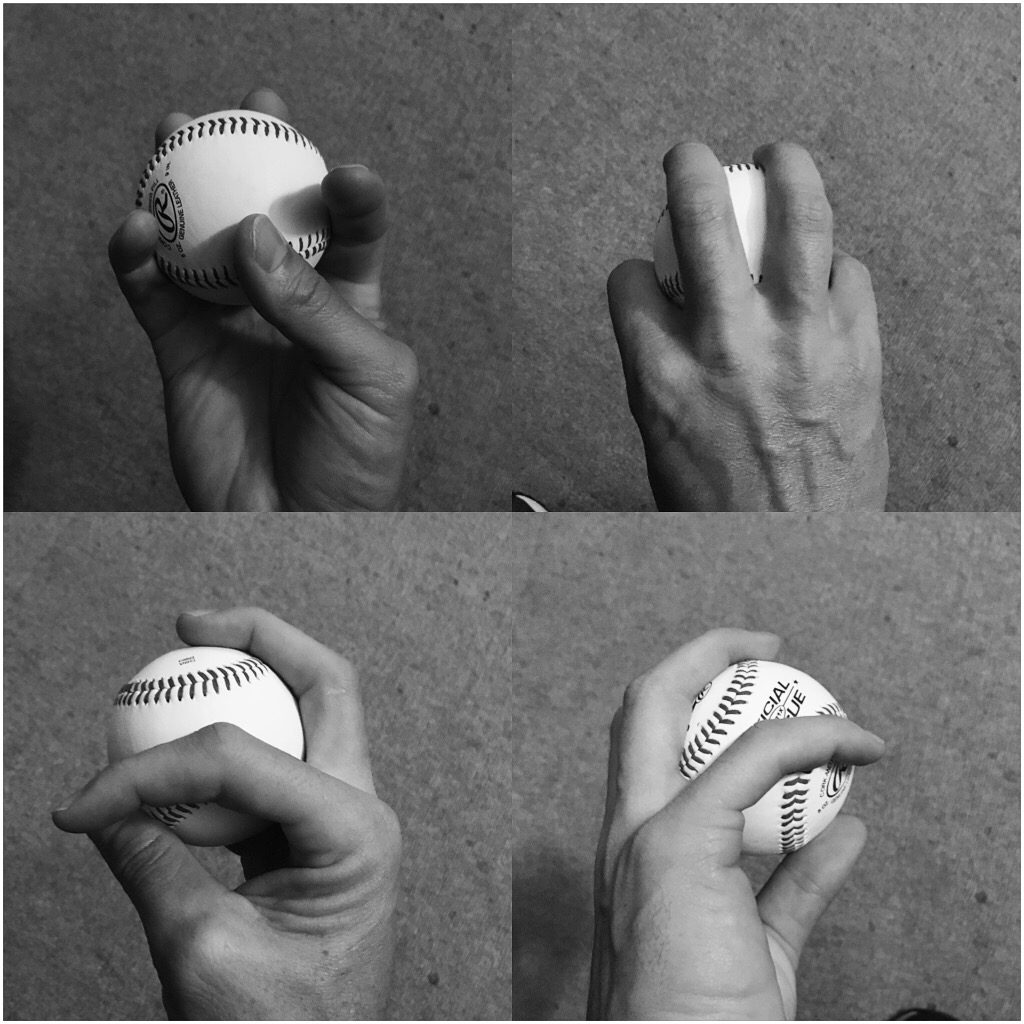 The variations of grips for this pitch seem to be endless. There are common ones for sure but with different thoughts on finger pressure, finger locations and release, there are many options. I suggest experimenting with all ideas until you find what works for you.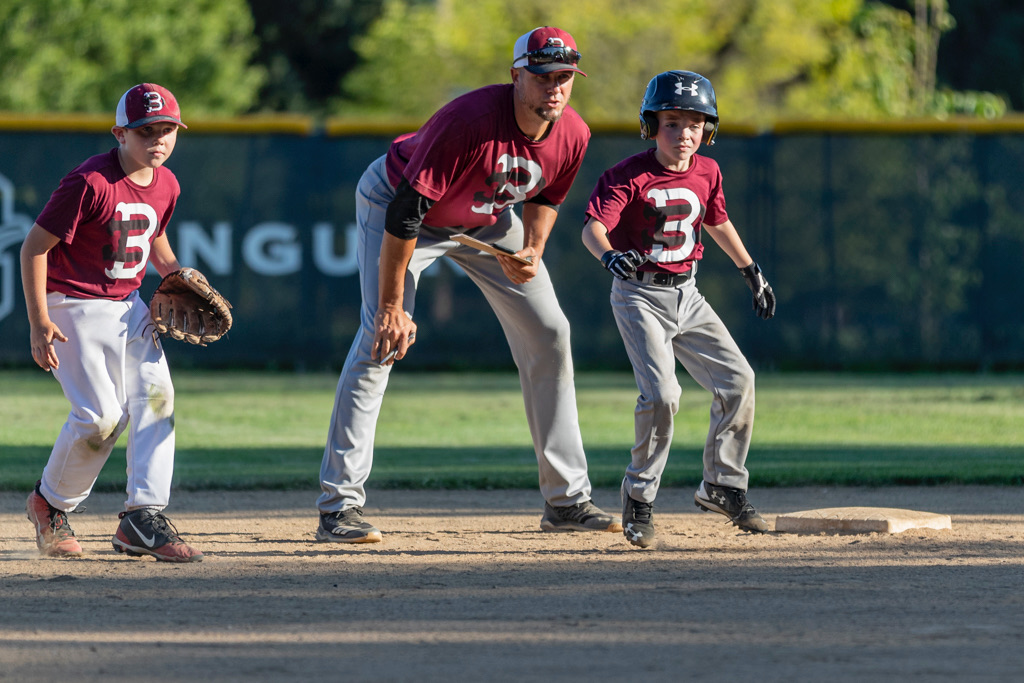
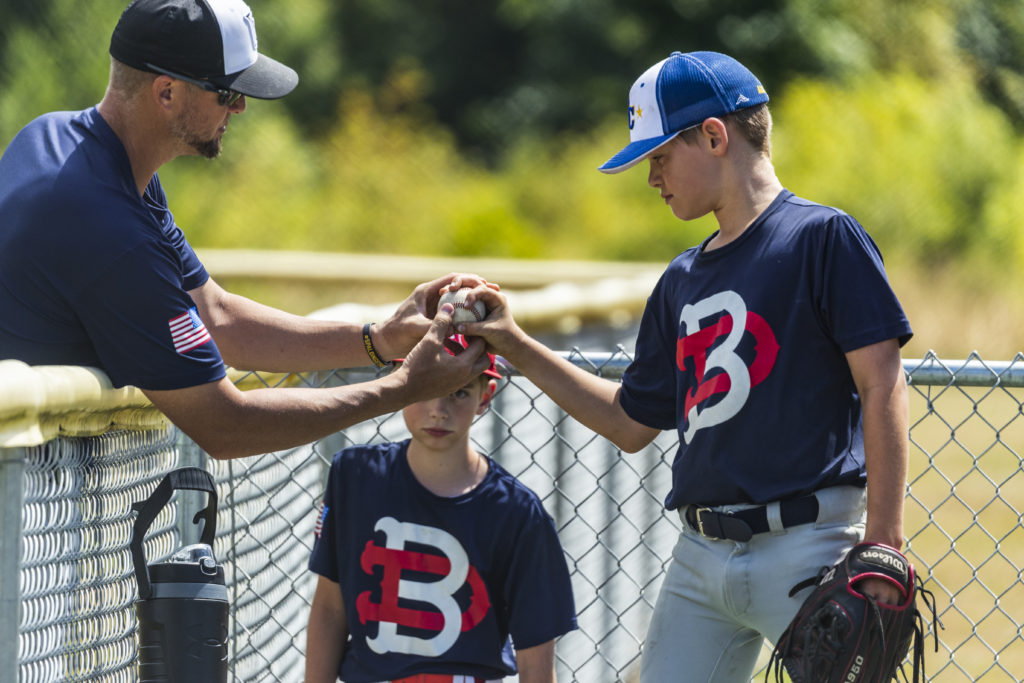 The game has been a part of me since I was 5 which means for the last 42 years it’s been a constant process of learning. I played until I was 32 and have been teaching full time ever since. Here are a few things I’ve learned throughout this process that are necessary, needed and missing…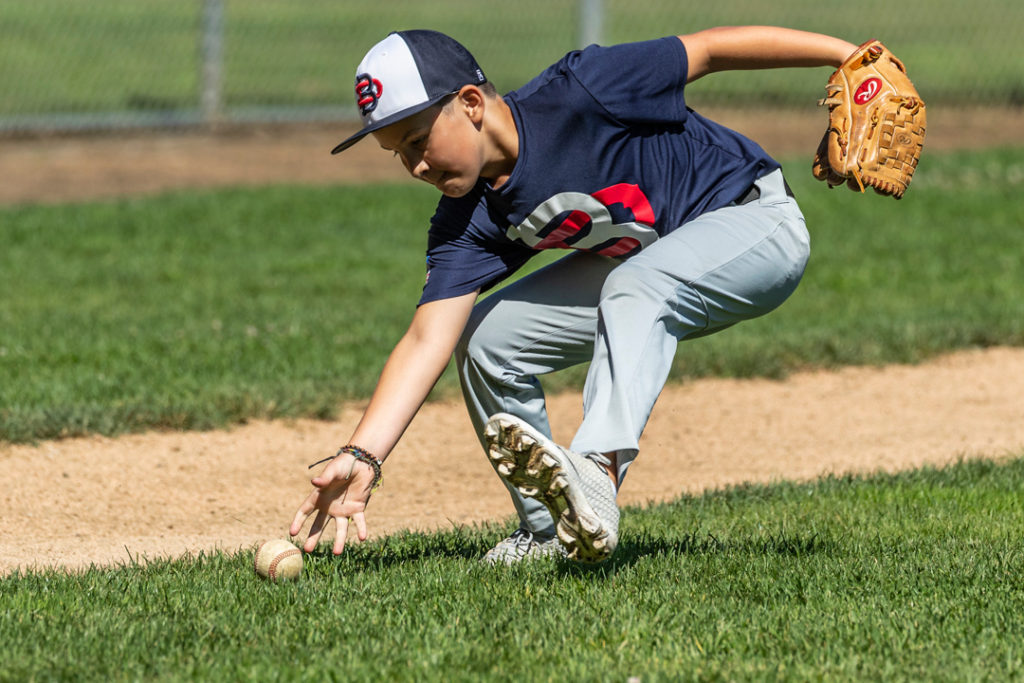
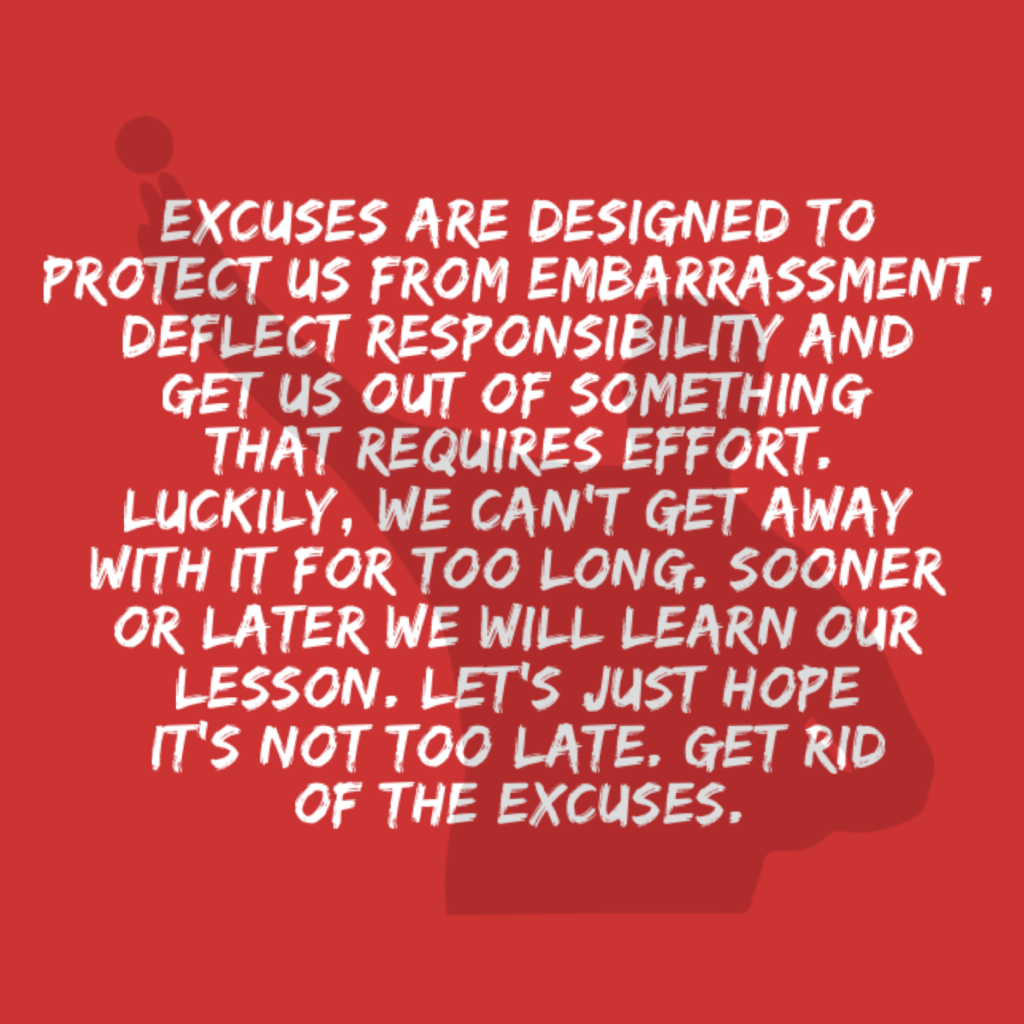 There are 24 hours in a day, 168 hours in a week and 8,760 hours in a year. “I don’t have time” is the most widely used excuse for not doing something. We have all used it at some point but we all need to realize that anytime we say it what we are actually saying is “It’s not that important to me” or “There are other things I would rather be doing.”
 Everything happens the exact way it’s meant to happen.
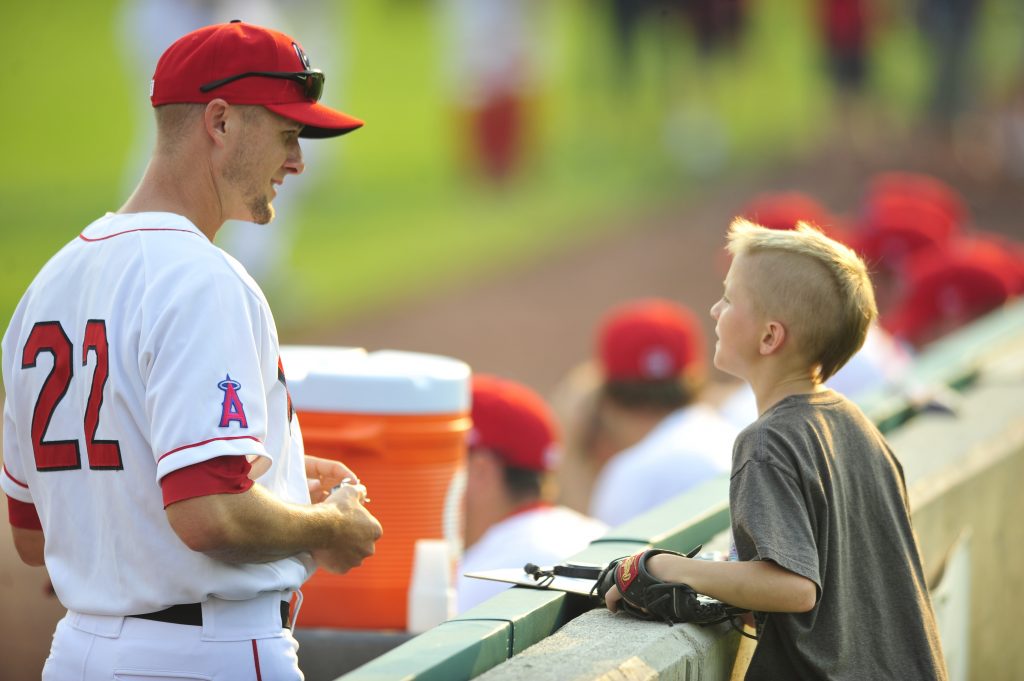 I love you. There are some things my father taught me growing up that I have the honor of now passing down to you. Below is a list of life lessons he taught me mixed with other lessons my path has given me. Read them, think about them and use them to help guide you through your life…
 It just doesn’t matter. There is a GREAT chance they will never remember. It’s NEVER as bad as we think it is…The wins, the losses, being on a losing team, playing with what we believe to be talent below our child’s ability. It just doesn’t matter!!
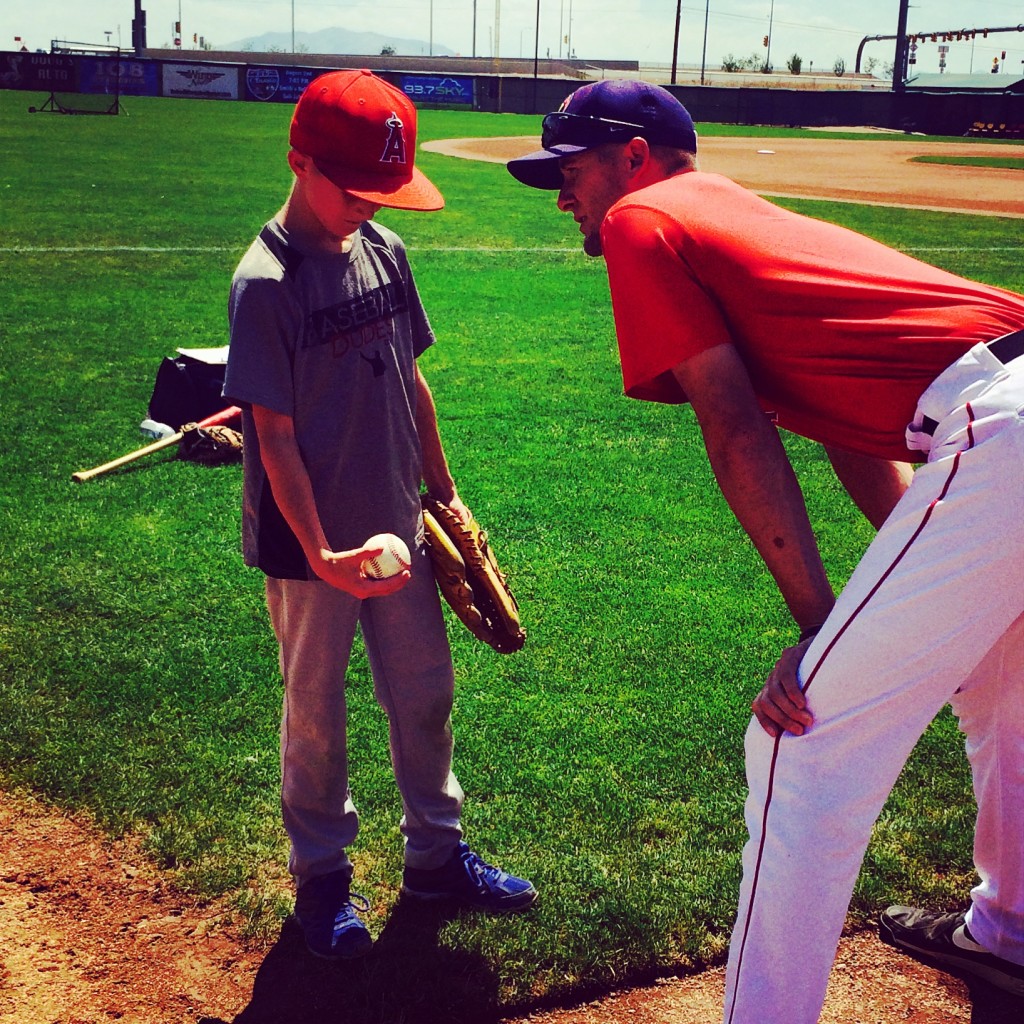 No matter what level we are coaching at, we are developing minds. We are developing attitudes. We are teaching right from wrong. We are their leader and we are preparing them for life.
 A few things we’ve learned over the years: