 Parents and Coaches…
I URGE you to take some time to read through the website “PITCH SMART” by MLB. Youth Baseball is in a time of weekly tournaments (4-6 games in a 2-3 day period). These tournaments are an amazing opportunity for hitters to get in a ton or reps in a short period but CAN be (with poor coaching decisions) the worst possible situation for pitchers to be in. Pitching in multiple games in the same day. Pitching on back to back days even after throwing 20+ pitches on the first day. Exceeding a proper number of pitches in a game because you feel the need to save your other pitchers for a later game. Having a pitcher pitch through fatigue. And let’s not forget about the catchers!!
If your team doesn’t have enough pitchers to cover all of the innings that your squad may play, then you should not be playing in that tournament. Once again, these type of decisions come down to what’s right for that player. What’s best for his future. You can’t preach development and then make decisions that put your players at an elevated risk of injury because of your drive to make it to the championship game. PLEASE take a moment and think about what’s best for the players.
Coaches, thank you for all you do and always remember that these kids development and future is in your hands when they are on your roster. The words you use, the choices you make and the manner in which you carry yourself can make a bigger impact on their future than you may realize. Take pride in what you do and don’t ever forget that this game is 100% about them.

Founder of Baseball Dudes. Blessed with three beautiful children and an amazing wife. Baseball is my life, after my family, and I love sharing what I have learned from it. Thanks for taking the time to view what we offer here at Baseball Dudes.
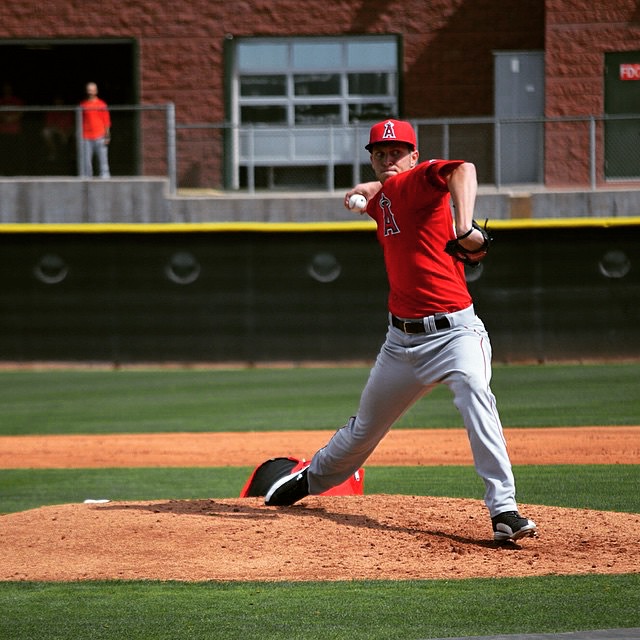 Both draw power from the lower half. Both need direction towards their target; Pitcher striding towards the catcher and the Hitter striding towards the Pitcher. Both use the hips to generate torque for the upper half to come through. Both need the upper half to stay closed as long as possible (until the stride foot hits the ground) for your upper half to come through with the most whip possible. They are both very similar to one another.
 As a young player, I have no idea how many times this happened to me. I do know, though, that it was more than I would have liked. But to this day, all those moments have helped mold me into the parent and coach that I strive to be today.
 My last session of the day yesterday was with two of my High School students. Both are great kids, both are talented pitchers and both have the ability to play past HS, if they so desire.
 I have written on this before but after a couple recent brief conversations, I promised I would go into it further.
 True competitors are often very emotional. They have the tendency to get very excited when great things happen and get very frustrated when things go against them. This is the nature of a competitor.
 BE SMART…Our PDP students will not pick up a baseball from October thru December. Somewhere along the line, the idea of throwing a baseball year round came about as a way to get ahead. Well…It’s Not! The arm needs a break. Time to heal up and give a player some time to play another sport, focus on the mental side of the game, focus on overall strength or just be a kid. I strongly recommend taking at least 2.5 months off of throwing, and 3 would be great!
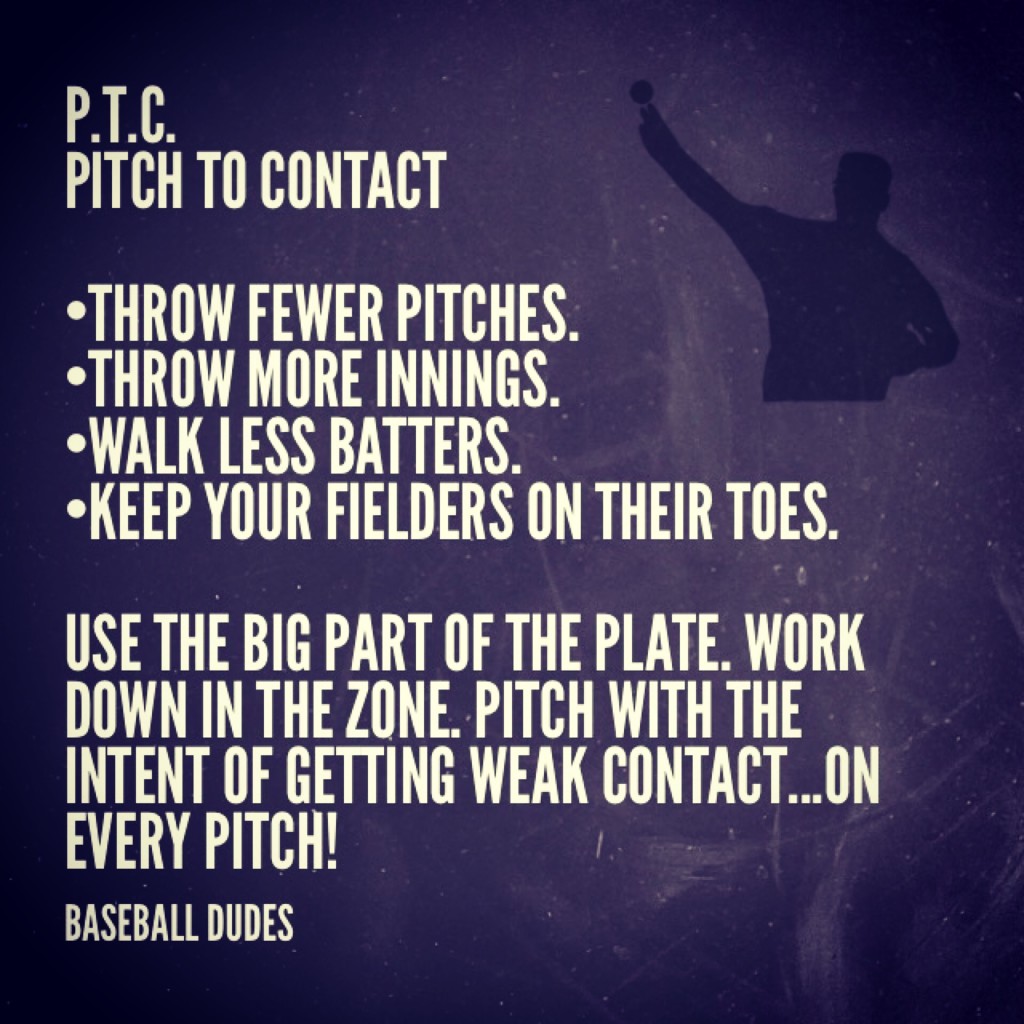
  Pitchers…Like I have said before, you need to realize how hard it is to hit a baseball. Besides that, there are a few other things that are in your favor. Here’s what I can think of…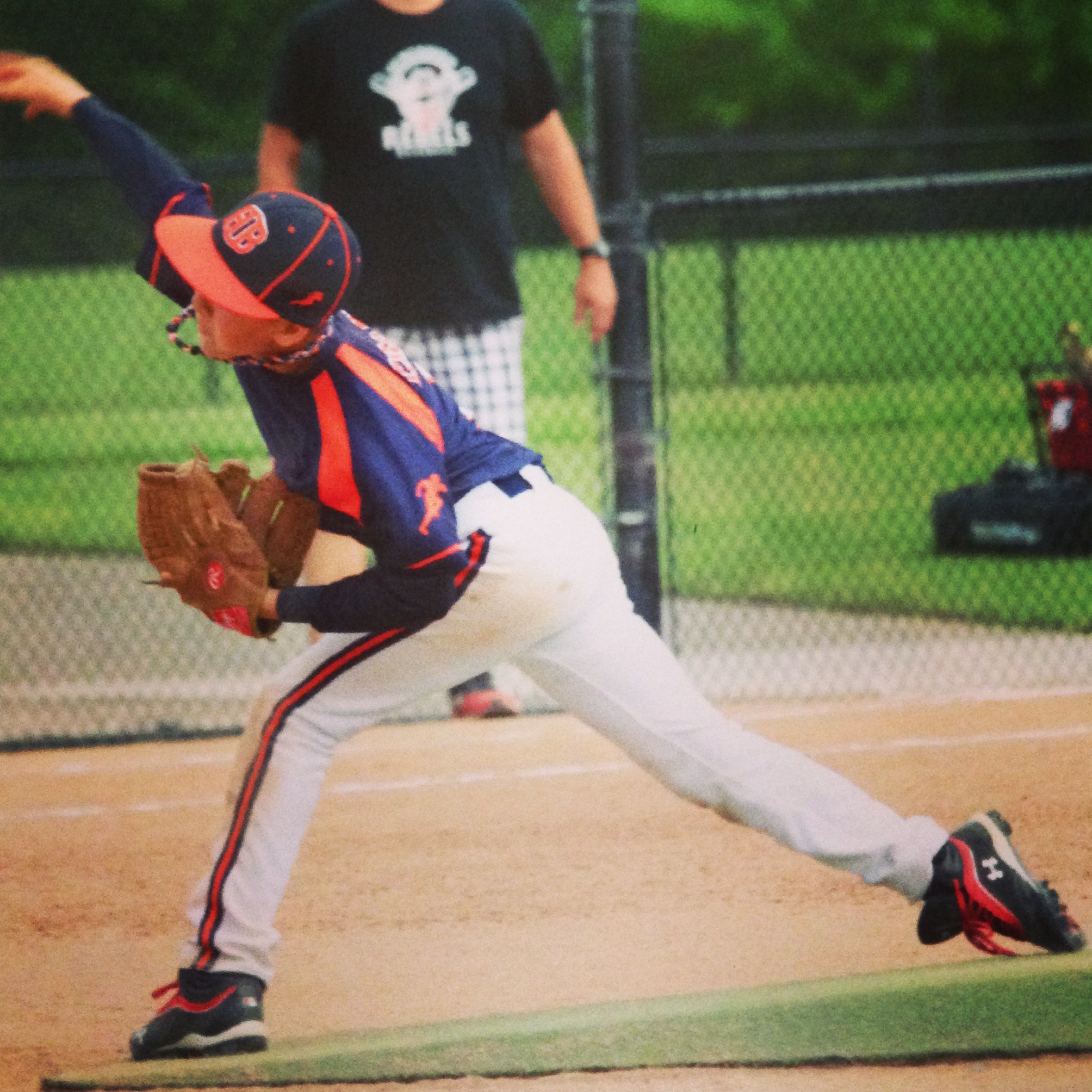
 I talk a lot about not letting teachable moments pass. This may be the most important part of a coach’s job. If done, and done correctly, this is where coach’s will see the most growth in the players no matter if they are 5 or 25. It’s the small details in a delivery, swing or the game that, if corrected, will turn average and below average teams into winning teams.