
 I recall watching an Angels @ White Sox game this past summer. Chris Sale started for the Sox and pitched a one hit shutout on 98 pitches (under 11 pitches per inning). When it comes to pitching, a 12-15 pitch inning is considered a quality inning as far as pitch count goes. That’s 4-5 pitches per batter. For us to achieve this, we should have a goal of getting the hitters out in three pitches or less.
I am sure that many youth, HS and College coaches would disagree with this approach but I have been in this game long enough, and have used this approach myself, to understand why this is important. There are multiple big league organizations who actually keep track of this stat (3 pitches or less). If the big boys keep an eye on this, I would hope that would be enough for you to believe in it.
Let me explain why I think this is important. If you have your ace on the mound, you want him out there as long as he can be. And not only do you want him out there in the 6th, 7th or 9th inning, you want him to be as strong as he was at he beginning of the game. The only way for this to happen is to keep his pitch count down. To keep his pitch count down means getting early outs. Getting early outs means getting outs in three pitches or less. To get an out on three pitches or less means pitching to contact. Pitching to contact means trying to throw every pitch in the strike zone.
In HS and College, too often you will see a pitcher go 0-2 on a hitter and then the catcher will call a fastball and set up a foot off the plate (because that is what he has been taught). This is often called a waste pitch. That is the perfect name for this pitch because that is exactly what it was, a waste! You can’t give me a reason why this is a good pitch. If you want to set up off the plate on 0-2, set up a couple inches off and call a slider, curveball or a change up. Something that you might get the hitter to chase. Coaches, teach your players to pitch to contact and why it is important.
The only way Chris Sale, or anyone else, can average 9-12 pitches per inning is to pitch to contact. Throw strikes often, eliminate free bases (Walks) and you will find yourself a successful pitcher!

Founder of Baseball Dudes. Blessed with three beautiful children and an amazing wife. Baseball is my life, after my family, and I love sharing what I have learned from it. Thanks for taking the time to view what we offer here at Baseball Dudes.
 When you think of pitching, you need to realize that it is just a glorified game of catch. The #1 job of a pitcher is to throw strikes, execute pitches and hit his target as well as he can and as often as he can.
  Let’s talk “Tempo”. What is it and why is it so important in this game. Before we start our day, we always go over the previous nights game. This topic always seems to come up. Tempo in baseball can mean different things for each guy. Obviously there is the Tempo of the game. How quick, or slow, the game is going. This is important to help the pitcher on the mound stay in a groove, keep your fielders on their toes and keep the hitters off balance.
 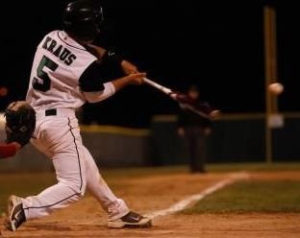 Every player is unique. Each batter has a different swing. Each pitcher has a different delivery. As players get older, hopefully they are being helped to learn what makes them the best they can be.
  Baseball is a lot of fun. Kids who have the love for the game want to play everyday.
  If you are fortunate enough to play this game for a long time, you will have many firsts. The first time you walk into a clubhouse. The first time you meet your teammates. The first time you take a swing in the cage. The first time you throw a pitch off the mound in a bullpen. These are all firsts that will get the butterfly’s going a little.
  I had a parent contact me the other day asking my opinion on how he should handle his 13 year old’s pitching season. His boy is playing on a little league team and a tournament team and is wondering if it could get to the point where he should shut him down as far as pitching goes. This kid is pretty advanced for his age and has a good chance to do something in this game. As we were talking, he brought up the last game he pitched and it came out that he threw 52 pitches in the first inning. I was absolutely floored when I heard this. To be honest, it really upsets me when I think about it. I’m sure it bothers me so much because I have worked with this stud for the last two years and am emotionally attached. But like I said, this kid truly has a chance.
  The name of the game is to throw strikes. A pitchers number one goal should be this. If we throw strikes, we will get contact which is what we want. Many young pitchers think they are suppose to strike out all the hitters. Yes it’s fun, but it shouldn’t be the number one thing on a pitchers mind.
 I was fortunate enough to watch Yu Darvish pitch from the 5th inning on during his bid for a perfect game on April 2nd. It was awesome. He mixed his pitches perfectly, no pun intended! When I was in Japan during the 2006-07 seasons, he was a rookie over there dominating as a 20 year old.
  A good coach is a true teacher. Many youth, High School and College coaches will call pitches for the pitchers during a game. Often it is not explained to the pitcher why we called that pitch in that count. What happens is the player becomes a robot and never learns to think for themselves. If a player is talented enough to make it to pro ball, this can be a serious downfall. Pitching is so much more than just throwing pitches. It’s mostly about the mind game. How should I pitch in different game situations? How can I set up the next pitch and the pitches after that? What is my go to pitch to get out of this situation?