Archive for Parents

The MOST Important Day

The most IMPORTANT day of my career:

April 23rd, 2003

The game gave me many special memorable moments but looking back there’s one day, one event that changed it all for me. I didn’t know it at the time but this day would be the beginning of the best phase of my athletic career.
Our first child was born. A little baby boy came into our life. Watching his birth is one of the, if not the, most amazing things I’ve ever witnessed.

From that day forward my life had a different meaning. I had a bigger, stronger and more important purpose. I wasn’t just a baseball player any longer. This little tiny person forced me to grow up off the field which carried over onto the field.

Identity is something many ball players have to fight. Many see themselves (as I did) as just a baseball player and it becomes who they are. If things are good with their game, life is good. If their game isn’t positive at the moment, neither is their life. I remember carrying around the emotions from my performance into life off the field. I was chatty if things went well that day but quiet and somber if they didn’t.

As a new father I quickly realized that when I went home after the game, whatever happened at the field that day didn’t matter. My wife and child needed me. A father and husband, not some emotional roller coaster. I learned real quick what it meant to “leave it at the field.”

Coincidence, possibly, but I now see a level of maturity that hit me that year. I was 25, in my 7th full season, in a new organization for the first time and in front of a new coach who helped me learn how to use my stuff. I really believe the timing of everything above combined with a new purpose in life (and a new identity) was the defining moment in my career.

As a coach now, I see it in these kids. Their whole demeanor fluctuates depending on how their workout, their last rep, their last at bat, their last inning, or how their last game went. They carry it with them. We want athletes who strive for greatness (so important in life) but who also are mentally stable and able to stay clear minded when things aren’t going well. It’s a process (I didn’t figure it out until my mid 20’s) but one of our missions as the adults in their life should be to help them get to this place (hopefully sooner than later). Help them learn how to process failure. Help them learn how to be a strong competitor.

Let’s also help them realize and learn they aren’t just a baseball player (athlete), that who they are as a person, friend, child, student, and future adult is just as important, if not more. And let’s teach and show them how they can use our great game to help become that type of person.

Normal Soreness vs. Pain

The longer you play, the older you get, the quicker and stronger you get, the more explosive your body becomes, the more sore you’re going to get and the more soreness, pain and discomfort you’ll start to experience. Truth, it’s part of it. There’s no running from it. No matter how “prepared” you are, it will happen.
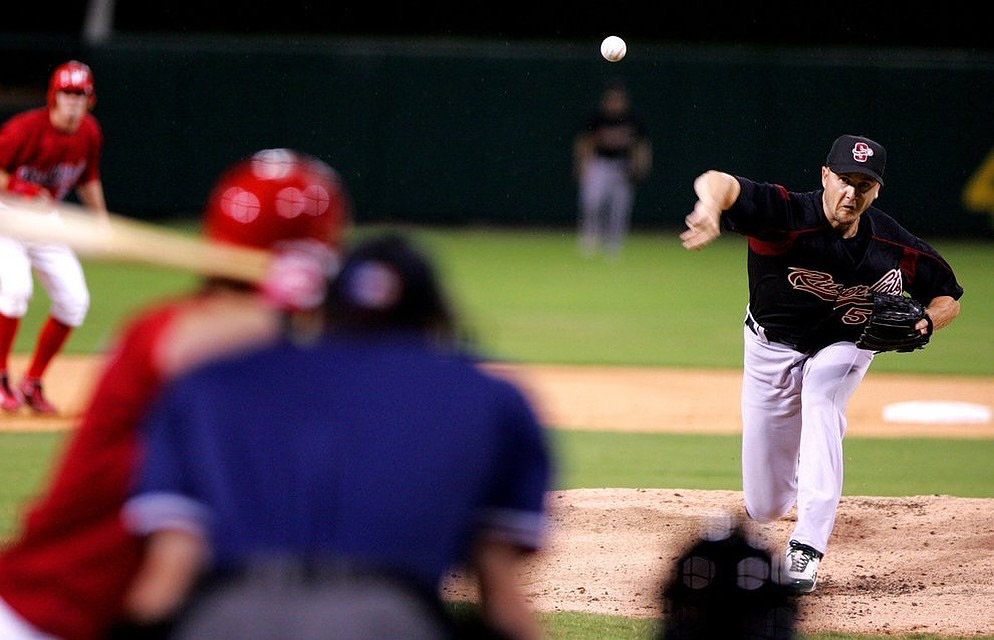
Since everyone is different, I’ll let others explain what they’ve experienced, but here is what I learned over the course of my life as a pitcher…

Normal Soreness:
Depending on what type of shape my arm and body was in, what amount of throwing it was conditioned and ready for, would usually determine what level of “soreness” I experienced the day after a game I pitched in and the following days.

Leading up to spring training I would generally prepare myself to be ready to pitch 30-40 pitches in a game on day one of camp. That process would usually take 8-10 weeks of a progressional throwing plan (similar to what we have on our site). Because of this progression, I usually wouldn’t experience any sort of soreness through this process of preparing for the season.

From there once we started building up pitch counts over the course of spring training, the combination of adrenaline and an increased workload from outing to outing (preparing as a starting pitcher pitching in games every 4-6 days depending on pitch count goals) I would start to experience more and more “normal soreness.”

For me it was the back in the shoulder (deltoid), lat muscle, inside of the forearm (pronator teres, not the UCL area) if I spun more breaking balls than usual, and sometimes I would experience normal soreness in my right hip area (Ilicus muscle).

Day 1, the day after a start, soreness was present, but day 2 soreness was always more, then as the next couple days went on it would dissipate pretty quickly especially doing things like strength training, band work and throwing. Using those “sore” muscles would help knock it out.

“Normal Soreness” is just that, normal soreness. Nothing to worry about and part of pushing your body.

** Important note, for the last 7-8 years of my career, I never used ice for recovery. I would use exercises like band work to help facilitate new blood to the area to help recovery.

Pain:

Sprain, strain, tendinitis, tears and breaks. In my life I’ve experienced all of these. All could take you down and out depending on the severity.

All of these you could experience in a moment (though a strain and tendinitis can be gradual). You might experience a “pop” of feel a “pinch” or for those breaks, feel a “crack.”

When they happen you’ll have that feeling of “well that’s not good!!” or “that’s not normal.” These feelings might require attention from a professional. Sometimes the fix is some rest while more severe issues require a lot more.

Again, unfortunately these are all part of being an athlete. There’s a GREAT chance every athlete will experience something like this at some point.

Mysterious or phantom:

For throwers, we will also experience mysterious or phantom pain and sensations from time to time. Twinge, muscle spasm, temporary muscle ache or temporary sharp pain. These moments can be alarming but in my experience they can seemingly disappear and you’ll feel like it never happened.

Again, we are all different and the above is what I learned in my career. Being able to listen to your body and know what means what definitely takes time. Hope this helps!

** I’m not a doctor so my terminology very well could be incorrect so please let me know if I misspoke about something. Also, years ago I wrote an article on “Dead Arm” which I’ll add to the comments for those that want to read about that topic too.

My Biggest Regret

Was that I didn’t grow up sooner.

I wish I fully comprehended accountability sooner. I wish I understood the difference between the controllable’s and un-controllable’s sooner. I wish I actually knew how to play the game “one pitch at a time” sooner.

I spent too many seasons (from HS until my mid 20’s) wasting time blaming my teammates, whining about umpires, talking about coaches and thinking about any other reason to protect myself from the emotions of failure.

But I was fortunate the game gave me enough time to wake up before it was too late. Unfortunately that’s not the reality for most weak minded athletes.

Once I realized that for as many errors my teammates made behind me, they also saved me hits and runs with the unbelievable plays they made. For as many bad calls I thought the umpires made that hurt me, they also made as many they actually helped me. And it didn’t matter how I felt, the coaches decisions were what was best for the team in that moment.

Playing the game “one pitch at a time” means being all in, being completely present, in that moment. That pitch. I cannot throw that pitch with even a shred of thought about what happened on the last pitch that I thought was negative. That’s not being present. There’s no way I can throw this pitch with full conviction while still emotional about the last (even if no one can see it on my face or body language).

Longevity in the game demands mental toughness. It doesn’t care about your physical tools. When you meet your match and start competing regularly against those who challenge you day in and day out, it will be what happens between your ears that will allow you to keep moving forward.

I highly recommend starting this process towards mental toughness as soon as you can. Parents, be smart with the tones of your conversations. Coaches, be the example they need. Players, focus on the controllable’s and STOP MAKING EXCUSES!!

8 Reasons it Doesn’t Translate


Why does my kid look great in practice but come game time, it’s like they are a different player?

1. Fear of pain. They don’t want to get hit with the pitch. Their mind is more consumed with the pitched ball hitting their body than they are excited about hitting it themselves.

2. Parent comments. What’s Mom and/or Dad going to say. Self doubt wins more often when they are worried about the comments and emotions that come from their parents when they don’t succeed.

3. Coaches emotions. Coaches who harp on the negative, never have anything positive to say, have bad body language, often instill a level of self doubt in their players. Their attitude is counterproductive.

4. They don’t practice enough. Team practice will never be enough to be fully prepared. Reality is most get limited reps at team practices. All players should practice on their own time and if their desire is to be one of the best, they should practice often.

5. They don’t love it. They enjoy being with their buddies but the passion just isn’t there. Maybe they enjoy another hobby more, maybe a negative coach has taken away that love, maybe they’ve become tired of “hearing it” from their parents or maybe they’ve just burnt out from their own performance struggles.

6. The game has caught up to them. When they were younger they were naturally better than most others but as the years have gone on their peers have caught up to them and now it’s not as easy which has made it less fun for them.

7. Practice is too easy. The speed of batting practice pitches. The effort given in bullpens. The ease of practice ground balls. Coaches and parents, practice the hard stuff. There’s a time and place for easy but there also needs to be difficult.

8. Burn out. It’s time for a break. Mentally they are fatigued. There’s nothing wrong with taking some time away. Playing another sport. It’s also not necessary to play fall ball every year.

Confidence is everything out there on the field. If it’s lacking, for whatever reason, performance will be spotty and inconsistent. From how we practice to how we coach to how we parent, helping them believe in themselves and learn how to play the game with confidence has to be at the top of our list. When we struggle with our part as the adults in their lives, we shouldn’t be surprised when they struggle with their part too playing this extremely difficult game. Teach them. Lead them.

5 Traits of Great Competitors

1. Preparedness. At team practice, at home, on their own time, they are focused, purposeful and dedicated to getting better and staying ready. They are beasts at preparation.

2. Smart. They watch the game. They know the game. They are situationally sound. They play the mental game. They are strategic. They watch the game to look for weaknesses, tells and tendencies in their opponents. They play the game while not on the field.

3. Mentally Tough. They can be described as GRITTY. Their determination and toughness is on full display when things aren’t going their way or their team’s way. Bad calls, errors, rough weather and playing conditions, poor performance, they keep their head in the game, their emotions in check and keep competing.

4. Consistent. They are reliable and can be trusted. Their work ethic, mental toughness, attention to detail and preparation (all listed above) allow them to be consistent in their performance. It seems no matter the situation thrown at them, they find a way to produce time and time again.

5. Leadership. You will often find your best competitors are also the best leaders on a team. They lead by example in how they go about their work, their body language and how they interact with teammates and coaches. They are often looked up to by those around them. They understand the impact of their attitude and how team culture and chemistry feeds off their emotions. They know when to get excited and fire everyone up and when to keep calm.

The Lessons

Take this for what it’s worth to you.
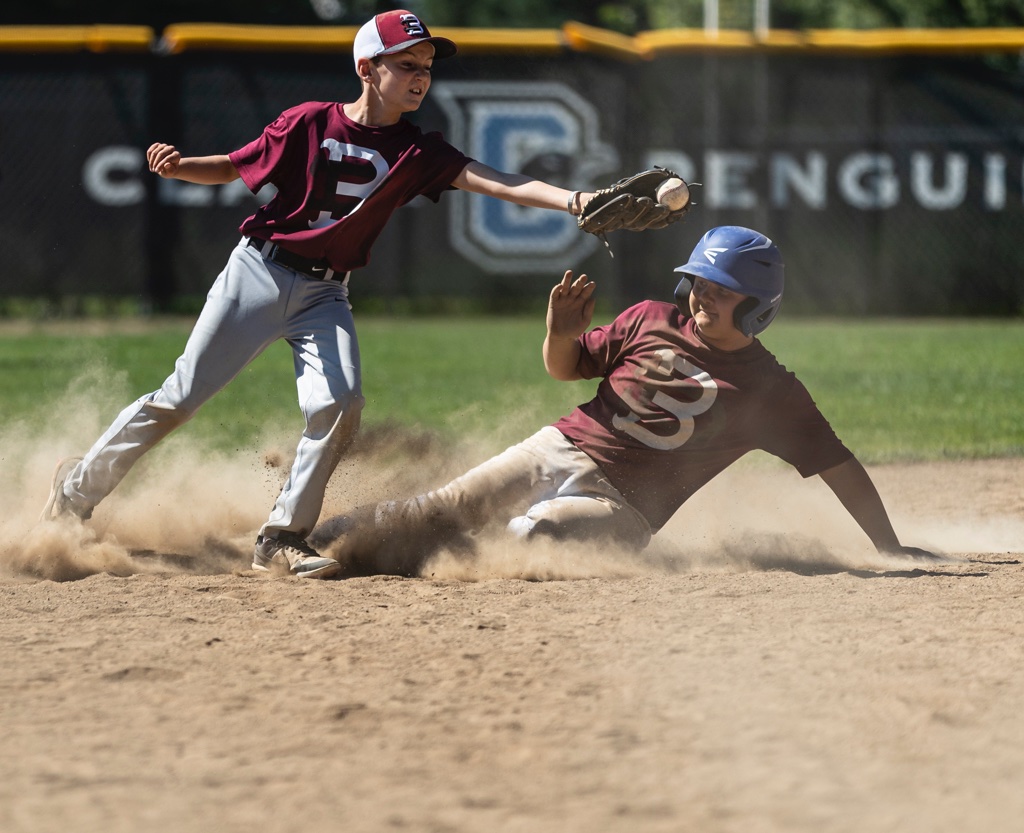
The game (baseball) gave me opportunities most young players will never get to experience. It challenged me in ways I’ll forever be grateful for. It helped develop a side of me I probably wouldn’t have with out it.

After spending a most of my life to this point playing and teaching the “game” I feel I can say with certainty that it really is just a game.

The scoreboard is the focus in the moment but at the end of the day there will always be way more to it than that.
• The lessons from every moment of failure.
• The lessons from learning how to be a great teammate.
• The lessons from learning how important preparation is.
• The lessons from learning how to control your emotions.
• The lessons from learning how to be aware of what’s happening around you.
• The lessons from recognizing personal and team weaknesses.
• The lessons from being able to work with and through physical pain and discomfort.
• The lessons from being humbled CONSTANTLY.
• The lessons of responsibility and accountability.

Getting to play the game is fun but at the end of the day using the game to make us a better more prepared person for life away from the game is WAY bigger than the game.

Dear Parents


Dear Parents:

We all know many coaches can be better at how they plan and utilize team practice time. But let’s make sure we are clear about something, your athletes development is not solely on them. In fact, they are just a small piece. To blame them for your athletes lack of production, is a big mistake. Before even second guessing your athletes coaches, answer these questions:

• How much does your athlete really love their sport(s)?
• How much time do they spend on their own daily/weekly practicing their sport(s)?
• What is their attitude like when with their team and things aren’t going well?
• Are they a good teammate?
• How’s their focus?
• Are they able to apply what they are learning (aptitude)?
• Are they in the right situation and level or team for their ability level?
• Are they accountable for their mistakes or do they have a habit of blaming and excuse making?

Parents, YOU are a major part of their development. Great coaches can make a huge difference for players BUT they are temporary. Your expectations must be realistic and understanding the requirements or growth are necessary. Check your athletes habits before anything else. If they are doing their part, be careful of looking elsewhere for reasons before looking at home first.

I Don’t Care!!

“I don’t care.”

I guarantee some won’t understand this and some will say “You’re wrong!” But here you go. This was part of my growth as an athlete.

I was the same as dang near every youth athlete. I would hold onto mistakes. I would get upset with what I thought were umpires mistakes. I would blame my coaches. I would play scorekeeper in my head when my teammates made errors. When the game was over I would think way more about all of the mistakes everyone else made except my own.

These moments of weakness would turn one walk into two. Turn a bad inning into a bad game. Turn a bad game into a month long slump. And make seasons seem more like a roller coaster than steady progress.

Looking back on it, I had to go through these moments. They were completely necessary to get to where I would eventually get. I had to get knocked down enough times but get back up more. But when I finally snapped out of it and stopped being a weak competitor and teammate, everything changed.

I finally got to that point of “it doesn’t matter!” “I don’t care!” “So what!”

I walked a batter, so what, let’s get the next guy to hit a ground ball. Teammate made an error, so what, let’s get the next guy. The umpire missed a pitch call, oh well, let’s execute the next pitch.

For me, I became a better competitor when I stopped caring. I know that sounds weird and wrong but that’s the best way I can describe it, in the moment I had to not care how we got there to be all in on the next pitch. That was my job.

Call it What You Want…

It doesn’t matter what you want to call it:

• Travel ball
• Select ball
• Tournament ball
• League ball
• City League ball
• Little League ball

It’s still youth baseball. It’s a hard game being played by kids. That alone is a challenge but then add in adult emotions and intentions of wanting to be “superior” and you have a recipe for disaster. Keep those expectations realistic.

Even though some of these kids have grown quicker than others, were born with different abilities than their peers, they are still kids. They will make mistakes (a lot), struggle with focus, look amazing one second then trip on nothing the next, have poor body language, tear up and do many other things that get under us adults skin.

Yep, they are kids! Funny thing is once upon a time we were them and did the same things, made off the wall comments, had squirrel moments and drove our parents, coaches and teachers crazy. So in reality, we get frustrated with them for the same things we did 🤔.

This is youth baseball. No matter how we want to spin it and give it a title that implies we are better than the others, I would slow down and remember that this phase in their lives is not about us. Not about our experience but all about them, their personal growth as young athletes and people and we are here to help them get the most out of it for as long as they would like to play them game.

In fact, we have an opportunity to enjoy something with them that many of us enjoyed growing up. And for a few of them, their ability will grow into something amazing which will lead to opportunities they dream of.

Grow the game!

5 Adjustments that Changed the Course of my Career:

1. Pitching inside. In my 7th season, I had a pitching coach (Bob McClure) who spent a lot of time with us (his pitching staff) talking about how to use the inside part of the plate. How it affected hitters. How it opened up the outer half. How it made your other stuff better. Only a few were able to grasp the concept and execute it but for those of us that did, it was a game changer. I’m convinced it’s what gave me another 7 years, a shot at the big leagues and a contract overseas.

2. Accountability. I stopped making excuses. Stopped blaming my teammates. Stopped giving attention to the umpires “missed” calls and started paying closer attention to where I really threw the pitch, how often their “misses” actually helped me and my team and opened my eyes to how their “misses” do even out in the end. I became honest with myself about my personal performance every single time.

3. Cut down on walks. In my career I threw just under 1,600 innings and walked 540 batters. Of those, about 400 came in the first 6 years. The remaining were spread out over the last 8. Maybe a coincidence but those last 8 were by far better than the first 6. I contribute it to a few things. I went from the stretch position only (got rid of the windup), stopped trying to get swing and misses and started forcing contact if they wanted to get on base and as mentioned above, I took control of the inside part of the plate.

4. Started working quick. Less than 10 seconds between pitches. Warm up pitches done in less than 60 seconds. The goal was to complete a 9 inning game in under 2 hours. We were able to do it once. Missed it by a few minutes a handful of times. Most hitters didn’t like the quick tempo but my teammates did, my coaches did and the umpires really did! It helped me get into a rhythm, kept my teammates ready and kept the umpires in a good mood!

5. Gave it a rest. Staying healthy and strong was a must. The long seasons of professional ball can take a toll on anyones body. Over the second half of my career, whenever I was in the starting rotation I wouldn’t pick up a ball the day before or the day after my start. The other two days included a session of long toss and a bullpen each day. If I was a reliever, I would find a day to not pick up a ball. Usually after a 2-3 inning stint the night before. Though some thought I was a little crazy for doing this, it was something I tried and found to keep me healthy and strong from the beginning to the end.

We are all different and it’s up to us to find out what helps us become our best. The above are a few things that helped me reach the top. They wouldn’t work for all and some may see them as “wrong” but that’s okay. Hope some of you do find them helpful.

Teaching

I was drafted in 1996 (yes I’m old) and my first manager was Sandy Alomar Sr. I graduated HS that year and three days after graduation I found myself on a plane to rookie ball. At the time I had no idea I was about to embark on a period of my life that would take me and my family all over the country and world. It gave me 14 years as a player and over 1,500 innings pitched. I’ll forever be grateful for not only the baseball experience but the men and leaders the game put in front of me.

The culture I found myself in was about development EVERY SINGLE DAY. The teaching was relentless. From team fundamentals, to PFP’s, to learning new routines to the mental side of the game. Now that I look back on it, I have no doubt it’s the main reason behind my beliefs and direction as a teacher and coach.

That first year of Rookie Ball I experienced a level of development I honestly haven’t seen since. Position players were taught the game and left to play. They put on their own hit and runs, own stolen bases and own sac bunts. They called their own 1st & 3rd defense and bunt plays. As for us pitchers and catchers, it was on us. We would discuss game plan and approach before the game/series and then work together in game and between innings. Of course they were there as coaches to give feedback and teach as the games went on and looking back on it, what an amazing way to teach the game. So fun!!

Now this wasn’t the approach of every coach I had in pro ball but from a pitcher and catcher standpoint, running the game was our job every game at every level. Building game awareness, game IQ and self confidence was the goal.

As the years went on, and our competition got better, so did we. We had to if we wanted to last. We had to find ways to get the upper hand. The mental and strategic side of the game was the easiest way to be different since at that level EVERYONE has the physical abilities.

I’m a believer in teaching the game, letting them play, learning from the game, letting them play (yes I meant to write that again!) and being the teacher and leader they need.

From Athlete to Parenthood:

Once upon a time my life revolved around a baseball for a few months, then a football for a few months and then a basketball for a few. Then there was a local public swimming pool for the remaining few. Mix in some yard work, riding bikes, finding some pond to fish in or creek to catch some crawdads to take up the rest of the time. The outside was our distraction. I’m creeping up on 48 and just like others around my age, this was the story of our youth.
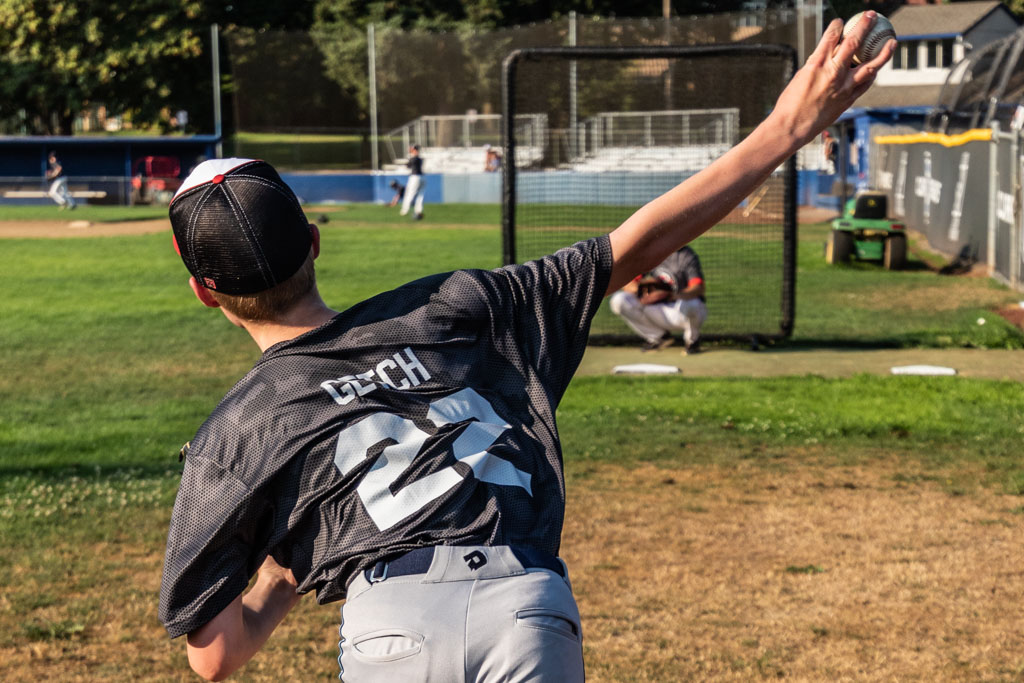
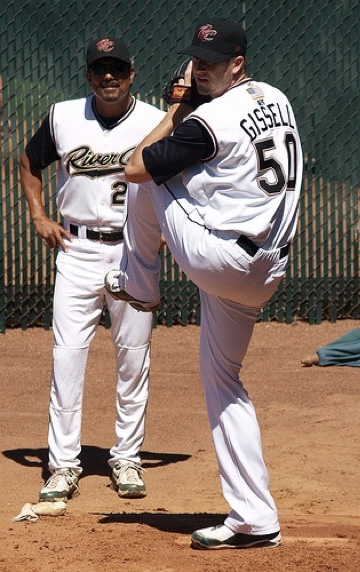
I loved playing sports (still do) and my father was my biggest supporter. Whatever the sport was, he was my teacher (did it the best he could). My fondest memories are from time spent together in our backyard hitting on the tee and practicing pitching. I can still see clearly the strike zone he built out of a sheet of plywood with a zone cut out and a piece of old carpet hanging behind to stop the strikes thrown. He would keep tally of total pitches thrown and total strikes thrown to give us a strike percentage. I also have strong memories of our time at the local school field and him throwing batting practice and hours of playing pepper. Like many, he is a big reason for instilling a love for the game and helping me improve.

The other day I was looking for something and opened a box which was filled with memorabilia. Newspaper clippings (yep, we are old) from when I played in Taiwan and Japan, lanyards from the AAA All Star game I got to play in, baseball cards, etc. The kind of stuff you forget about but when you find it, it gives you good memories to reminisce on. The game has given me plenty of memories that I’ll forever be grateful for.

After a couple minutes of thumbing through some of it, I boxed it up and put it back. While stuffing it away to collect some more dust it dawned on me that my kids have never seen that stuff (and that’s okay). We have three children, 22, 20 and soon to be 17, the older two were just little ones at the end of my career. They got to see Dad play a little but they were too young for those memories to stick. To them I am just “Dad” and that’s exactly how I want it.

I’ve learned those personal accomplishments I had in the game unfortunately carry no weight when it comes to being a parent. All those promotions, wins, trophies, rings, article clippings, baseball cards and stats literally mean nothing in comparison to raising children. With that said though, many of the mental and character skills I had to learn as an athlete without a doubt have had carryover.

Parenting can be one of the toughest and most rewarding jobs there is in life. At least that’s how I feel about it. With two young adult boys and a daughter working her way towards being a young adult, the process of one phase to the next is a constant learning process for not only them but for us as their parents.

The game not only gives us memories but can help prepare us for things in life much more important.

Arm Care

The term “Arm Care” is thrown around as if it’s a simple thing. Do some band exercises and you should be good!! Truth is it’s a very loaded term and deserves a much much deeper explanation and plan. If you’re serious about the game, pitching, your teams arms, then it’s time to get serious about all of it.

ARM CARE is…

• Understanding and developing proper throwing/pitching mechanics.
• Pre season throwing plan.
• Pre season/early season pitch count progression.
• Total body strength.
• Nutrition
• Weekly between game throwing routines.
• Listening to your arm.
• Knowing your body.
• Not pitching with a lower body injury.
• Post throwing arm maintenance/recovery routine.
• Knowing what an arm is conditioned for, aka, how many pitches is an arm ready to throw that day.
• Knowing what signs of fatigue look like and how to diagnose what a sore arm is.
• Not rushing back into competitive throwing after an arm injury.
• Weekly bullpens to get better with command and stuff to be able to compete better which means throwing more strikes which means most likely throwing less pitches per inning.
• Being mentally tougher which again means being a better competitor which means being able to get more outs with less pitches.

Band work is good but there is WAY more to it. We have a whole page here on our site dedicated to this topic. Check out our “Save Our Arms” page.

**Side note, those bands sitting at the bottom of your bag aren’t helping.

Mechanics vs Approach

Strong competitors are solid with both but what’s the balance? Is one more important than the other? When do you work on mechanics? When do we talk and teach approach?
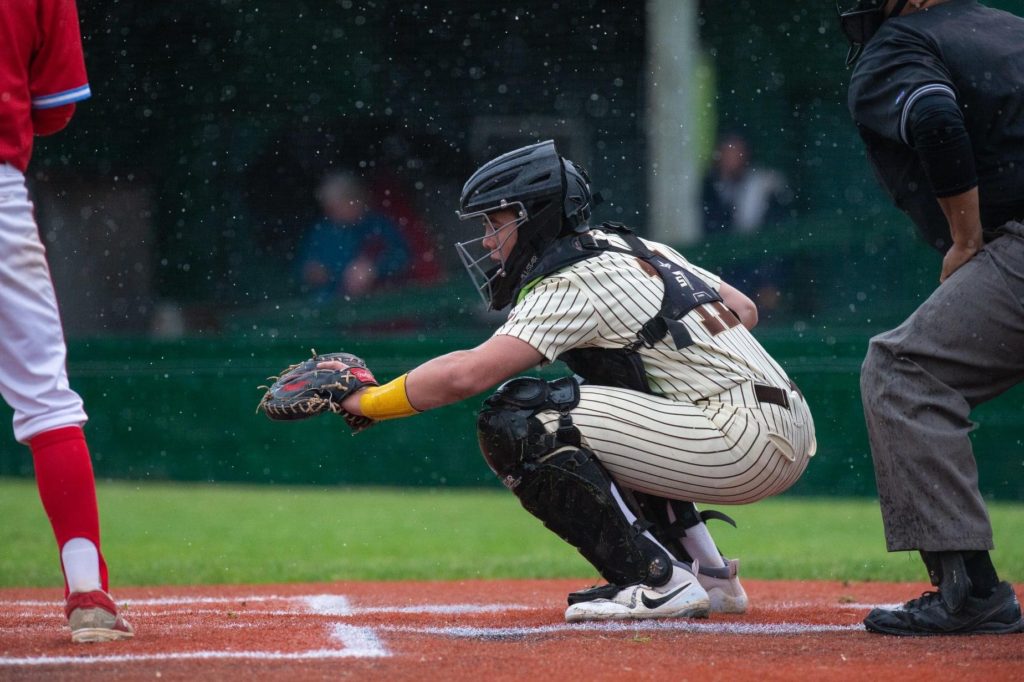
In my opinion and experience both should be a constant focus but we see it time and time again, athletes who are great with their body movements but struggle with competition. Even though they may be hearing and learning about the head game, in the heat of the moment emotions push approach out the window leading to trying to compete via anger, embarrassment, fear and over aggression.

For many involved in the game, athletes and adults, when the desired results aren’t showing, we immediately go to mechanics when in reality more often than not the fix is between the ears.

As athletes we need to be able to compete relaxed. That’s when most of us will be at our best physically and be able to organize ourselves mentally. The difficult part are the distractions for the immature athletes. Who’s watching, what are they thinking, teammates voices, opponents voices, parents voices and coaches voices.

For those not there yet, these uncontrollable’s take them off their game and put them in a place of anxiety and insecurity leading to a loss of approach and proper visualization.

While we prepare ourselves, our players and our children to be great physically we need to understand the importance of mindset and approach just as much as we have taught ourselves about mechanical side of the game. There needs to be a constant focus on it. We need to be aware of how our attitudes as adults affects this part of their game, good or bad.

Players, keep training to get the most out of your body but to play this game long term, you better learn to be one of the mentally toughest, mentally prepared, smartest and grittiest players on the field at all times.

Leadership:

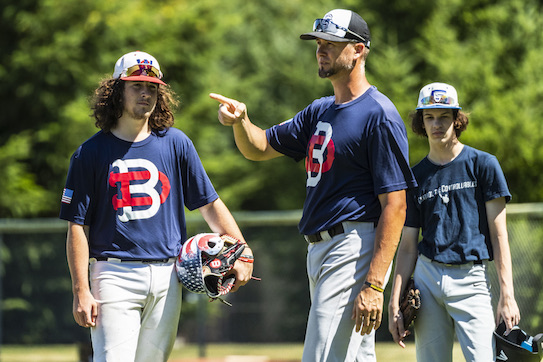
Let’s talk leadership for a few minutes. What is it? What does it mean?? What does it look like??? Why is it so important????


In my words…

Leadership is the act of leading others. Someone who others look to for direction, advice, guidance, encouragement, support and an example of how to behave, work, focus and relate to others. Leadership is the foundation a group is built around. The quality of leadership will be seen in those around it.

The best leaders we will ever come across take their opportunity seriously. They understand the impact they can have. They know when to be loose and when it’s time to be serious. They carry themselves in a way that garners respect and trust. Their moral integrity is unbreakable, they are firm in their beliefs, they can’t be bought, they don’t get caught up in nonsense and they stay the course.

Think of any adjective used to describe someone who is highly respected and you will see a list of words that show why they make such a difference. This will lead to those looking to them start to emulate their behaviors. A team, organization, town, city, state, country, world full of people of integrity with an innate ability to lead we will see people come together, work together and fight evil together.

Leadership IS the difference maker. It’s why when teams, businesses, cities, states and countries start to fall apart and can’t seem to recover you see leadership changes. Many try hard to be good leaders but not everyone is meant to do it well. Weaknesses within lead to poor judgement, poor choices and consistent mistakes they can’t seem to recover from.

Leadership starts at home. This is where many attributes in a person start. From there we come across “leaders” in many areas of our lives. Our character is formed as we grow and experience life. Beliefs may change as the years go on but leadership is leadership. It’s a vital piece to unity.