Archive for Coaching – Page 8

Leading By Example

2015-03-19 16.58.16Being around this game from the Little League level to the Big League level, one thing that is consistent from level to level is the human factor.
Let’s talk about the strike zone. Don’t pay attention to what the rule book says as all umpires have their own version. Some are bigger up and down than they are side to side while others are bigger side to side than they are up and down. If you have never been behind the dish, then you really don’t know how difficult it is to be consistent back there. This is part of the human factor. Just as the players have a tough time repeating their swing pitch after pitch and the pitchers have a tough time executing pitch after pitch, the umpire behind the plate can battle calling the same strike zone pitch after pitch.

We ALL need to recognize this, chill out and let the game play out as it will. One thing that I learned over the years is that it all evens out. For all the pitches that we believe the umpire missed, if we sit back and think about it, how many times has a pitcher thrown a pitch off the plate, side to side or down or up, that should have been called a ball but was called a strike??

The part I have a hard time with is seeing/watching players, young and old, complain, throw their hands in the air, yell at the umpires and act as if they are constantly being screwed. Where do you think they learned how to act like this?? Think about it parents and coaches…Who do they look up to? We, parents and coaches, are their closest role models. What type of example are we setting when we act like this?

Missed calls are a part of the game. Deal with it, stop complaining, act professional and use this as an opportunity to learn how to handle some adversity because if they can’t handle it in a game, how will they handle it in real life??

Baseball Lessons=Life Lessons

2014-11-26 18.47.12-1If you play this game long enough, you will most definitely experience failure over and over and over. I was blessed to play this game for a long time, briefly make it as far as you can, and experience some amazing highs and the lowest of lows. From MVP awards to not making it out of the first inning while giving up 6 runs and only getting one out!

The lessons this game has taught me have molded me into the adult I am today. Along the way, people were put in my life that taught me valuable lessons. From coaches who were amazing teachers to coaches who had no business being in the position they were in. They taught me how I wanted to act and how I most certainly didn’t want to act.

I will always remember how tough this game is to play…Remember how hard it is to hit a baseball, how hard it is to throw the ball to a specific location, how hard it is to field a ground ball on a bumpy surface, how hard it is catch a fly ball on a windy/sunny day and how hard it is to be consistent at all of it.

With that said, as long as a player is giving me their best attitude and their best effort, I will never get upset with them over their ability and game play. If it was as easy as many think and/or act like it is, there would be a lot more MLB teams than just 30.

Bottom line…Be positive, be motivating, be inspiring and be supportive of your Dude when it comes to playing this game. So many lessons to be learned and the more they will get to experience the longer they play.

BE SMART

2014-11-16 22.31.04BE SMART…Our PDP students will not pick up a baseball from October thru December. Somewhere along the line, the idea of throwing a baseball year round came about as a way to get ahead. Well…It’s Not! The arm needs a break. Time to heal up and give a player some time to play another sport, focus on the mental side of the game, focus on overall strength or just be a kid. I strongly recommend taking at least 2.5 months off of throwing, and 3 would be great!

We use the months of November and December to focus on our Mental Toughness & Leadership Skills through class room work and also meet to focus on arm care routines, the fundamentals of our swings, the fundamentals of the different positions and some speed and agility when we can.

Parents…Take care of your Dudes arm. Please educate yourself on this and have a plan for the off seasons. If you want suggestions on this, please feel free to send us a message or email us and we will help in any way we can.

Learn From Each Other

2014-06-12 15.28.26Everyday, we (my pitchers and I) start our day with a meeting. We will go over the plan for the day, maybe fill them in on some information about future travel or something and then we get into discussing the events that occurred in the game the day before. This meeting usually takes between 10-20 minutes and I honestly feel that this is the part of the day where these future big leaguers grow the most.

We discuss the good, the bad and the ugly. I will most often call out the players and force them to participate. One, they need to learn to be comfortable speaking in front of others and two, the lessons we can learn from each others successes and downfalls can be great. If you were to sit in on our meetings, you would most likely hear the same things day after day, but that’s ok. If it takes one needing to hear something 100 times before they really start to understand it, then I’m going to say the same thing 100 times.

For these players to get to this level is a great success in their lives. They are the select few who have the god given talent and have worked hard enough to make it here. But often, it is a humbling experience once they start facing the competition in professional baseball. They can’t just sit back and throw the ball as hard as they can anymore because that guy in the batters box will turn around a belt high 95 mph fastball like you are throwing batting practice up there. You can’t throw an 0-2 breaking ball in the dirt every single time because these hitters are taught to look for those type of patterns.

Daily, we will discuss things like that. We also discuss others routines, and how it may be affecting their game in a good or bad way. We will discuss mistakes on the field that we all need to learn from for instance, I have a pitcher who developed a so called “Balk move” in college and he has used it successfully but got caught with it the other day and ended up balking in a run. The lesson here was that if you have one of these moves, don’t ever use it with a runner on third because you are risking giving them a free run.

From my end, having gone through what all these players are going through right now, is fun to watch. It would be very easy for me to get frustrated with them, but with my own personal experiences in this game, I understand how hard what they are doing really is. This game is very humbling. One day these kids heard their name called by a professional organization and they are on top of the world and the next day they are having missiles hit off them left and right. Only the mentally strong will survive and the more we can learn and take in, the mentally stronger we will get.

Be observant, go into it with a open mind and don’t get caught thinking that you have it figured out. Learn everyday.

Don’t OVER Coach

ChrisCedarRapidsI talk a lot about not letting teachable moments pass. This may be the most important part of a coach’s job. If done, and done correctly, this is where coach’s will see the most growth in the players no matter if they are 5 or 25. It’s the small details in a delivery, swing or the game that, if corrected, will turn average and below average teams into winning teams.

So with that said, here is what I mean when I say “Don’t OVER Coach”. You see it all the time, parents and coaches yelling something at the player who’s in the batters box, every pitch.

“Move closer to the plate.”
“Get your hands up.”
“See the ball hit that bat.”
“Make sure it’s a good pitch.”
Etc, Etc, Etc…

These are all good and can be helpful but when the kid is hearing it every 8 seconds, two things can happen. One, he is going to be so distracted with thinking about these things when he should be focused on the ball. Two, depending on his nature, he may put more pressure on himself when he should be relaxed and focused.

You also hear this when the kids are pitching.

“Come on, throw a strike buddy.’
“Step at your target.”
“Throw it hard.”
Etc, Etc, Etc…

Again, these comments may be helpful, but if over done, will do more harm than good. These need to be discussed in-between AB’s and innings.

Another place you see this happen too often is when a hitter is in the batting cage or a pitcher is on the mound throwing a practice bullpen session. They are being talked to so mush that it gets to the point where they do more listening than working. It’s very tough to get in quality work when you aren’t allowed to get into a rhythm. This can easily turn into a wasted session. It’s very easy as a coach to have many thoughts and suggestions running through your head in these moments, but you need to learn to control how much you say. Young players can only handle so much information at one time and you need to always be aware of this. Break it down to one specific thing and focus on that. Let them perfect that before you move on.

Point is, coach smart and “Don’t OVER Coach”.

Teachable Moments

2014-04-02 17.26.22One of the biggest things I have learned since becoming a coach a few years ago is to NEVER let a “Teachable Moment” pass. If, and when, coaches do, they are doing that player a disservice and quite frankly, not living up to their name…”COACH”.

I got to watch my 10 year old son play last night which was a special moment. With all the traveling I do, I don’t get to watch him play much in person. He started the third inning on the mound. Here’s a summary of how it went…

He fell behind in the count often which made the hitters comfortable, so when he did put the ball over the plate, there were a few hard hit balls. Added a walk in there and unfortunately his defense had a tough inning too.

Here are the negatives we talked about after the game. First, we talked about hitter’s counts and what they are (whenever there are more balls than strikes). Second, when there were runners on base and the ball was hit to the outfield, he just stood on the mound. We talked about how he should always be moving to either cover an unoccupied base or backing one up incase of an overthrow.

Here are the positives we talked about. His mound presence was great. He didn’t hang his head or show emotion when things weren’t going his way (giving up hard hit balls or his defense making errors behind him). He covered home perfectly on a wild pitch, though the catcher didn’t throw him the ball and tried to tag the runner himself who ended up scoring (hope the catcher was talked to about that). He was able to self adjust a mechanical issue half way through the inning which helped him get his FB back in the strike zone. The thing I think he did best was that he didn’t give up. Even with nothing going his way, he kept competing. As a coach, that is all we can ask.

In every game, win or lose, there is always something to learn from it. As a coach, it is our job not to let a single “Teachable Moment” pass. These are the little things that can make or break a team/player. Help the players understand that we need to learn from the negatives and focus on the positives.

Positive Influence

IMG_6345
It’s very frustrating for me as a coach, and a parent, when I get messages from students parents about negative things their Dude is having to deal with at such a young age. This game should be one of the best, most memorable times in these kids lives. We can’t control how others act, but we can do our best to make sure that we use every good or bad moment in our kids lives as a teaching moment. Parents, don’t ever let then slip by.

Here is a message to the Parents & Coaches out there…

Please be mindful of how you speak to your players. Just as we teach our children to think about how their words will affect others, we need to think the same way when speaking to our players. There is NO ROOM for comments that will put them down or belittle them.

As I have said before, don’t ever forget how tough this game was for you. If you are a Parent or Coach that uses words that put them down, I think it’s time to go home and look in the mirror. I hear all too often about Coaches who act like this. It’s moments like this that push players away from this game before the game has time to teach them all the lessons it has to offer.

As Parents and Coaches, we are leaders. It’s time to MAN UP and act like one at all times. If you are incapable of being a leader for these young Dudes, step back and let someone else take over that will be the right type of mentor.

Sports IQ

IMG_1866It might be because I’m getting old or perhaps it’s because I didn’t have Lacrosse as an option to play when I was growing up, but one thing I do remember is having a passion for baseball when I was a youngster. I knew the best players in baseball and who my favorite was. My friends and I would pick apart each other’s favorites to defend our picks as being the best. When I ask kids I coach their favorite player or what style of pitcher/hitter they want to emulate I often get a shrug followed by a blank stare.

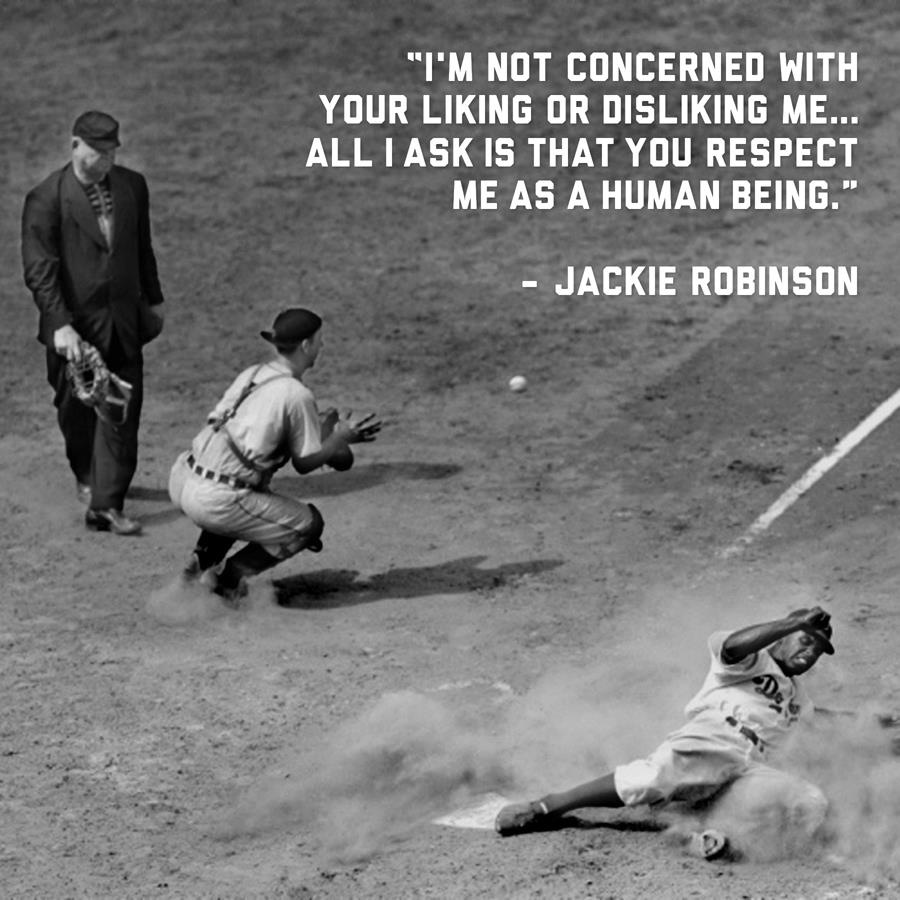
How is this possible that kids can’t name one player in the sport they are playing? I believe that understanding the sport in all of its capacities is vital to creating a base in which a player respects the game and develops a passion to play it. What were the original four major league teams? Why was Jackie Robinson important? What number did Babe Ruth wear? How many strikeouts did Nolan Ryan have in his career?

To truly understand your sport is to fully appreciate it and love what you’re doing to get better. Family stories about why you have the values you do based on lifetimes before are important in becoming the person you are just as much as a sports history shapes the player you will be.

Part of my lesson routine now is to ask my student about a certain player and what they contributed to the game. Kids are usually dumbfounded that Cal Ripken played every day for 2,632 games in a row. I am too for that matter but please at least know who he is!!! As teachers and coaches, it is our responsibility to teach history of the game just as much the mechanics. Respect and love of the game will not fully be realized without that knowledge.

Young Pitchers and the Curveball

CALL_1990I recently had a training session with a 10 year old who I have been working with since he was 7. He is a very talented young pitcher with a bright future on the mound. Over the last few years he has developed a healthy/repeatable delivery. If used correctly, he should be able to stay away from any major injuries.

At this point with a young athlete like this, his one purpose is, and should be, to continue to repeat his delivery, learn who he is and what makes his delivery good or bad and develop his Fastball/Straight Changeup mix the best he can. He needs to spend the next 1-2 years PERFECTING these which are his strengths.

This will be his first year with the 11-12 year old group (as he turns 11 in a couple months) and will get hit around a little. We have talked about this and how best to handle this mentally. This will be his first real big test as a young pitcher.

In our last session, it was brought to my attention that he had a coach trying to teach him a curveball.

There are MANY opinions on this and here is mine…

First and for most in a young pitcher’s life, they need to learn a healthy/repeatable delivery. While doing that, they should be developing a STRAIGHT fastball that has true backspin. It shouldn’t have sinker rotation or slider spin. Once a player has shown the ability to do both of these things, we can now learn a Straight Changeup.

If the player continues to develop these, especially the healthy delivery, and we get to the 12 year old mark (maybe a little sooner or a little later depending on the child’s body maturity) we can now introduce a breaking ball.

The most important thing when getting to this stage is getting your Dude in front of someone who is a true baseball person. Someone who knows what to look for and what is right and wrong. PLEASE NOTE, watching a video on YouTube or attending a pitching clinic where this is discussed, by no means, means you know how to teach this or what to look for.

It’s all about the development of that young player. Helping him achieve his LONG term goals. Him learning a breaking ball at this young of an age will take focus off what it should be on. If a player needs something else at this age to help him get by, we are just delaying the inevitable. Once that player gets to the big field, it may be hard to watch.

Parents, please be smart and when your Dude gets to this stage in their baseball life, get them with someone who has experience in this area and can give you proper guidance. Ask around, do some research and make sure they are learning the right/smart thing.

Pitching To Contact

IMG_0008I recall watching an Angels @ White Sox game this past summer. Chris Sale started for the Sox and pitched a one hit shutout on 98 pitches (under 11 pitches per inning). When it comes to pitching, a 12-15 pitch inning is considered a quality inning as far as pitch count goes. That’s 4-5 pitches per batter. For us to achieve this, we should have a goal of getting the hitters out in three pitches or less.

I am sure that many youth, HS and College coaches would disagree with this approach but I have been in this game long enough, and have used this approach myself, to understand why this is important. There are multiple big league organizations who actually keep track of this stat (3 pitches or less). If the big boys keep an eye on this, I would hope that would be enough for you to believe in it.

Let me explain why I think this is important. If you have your ace on the mound, you want him out there as long as he can be. And not only do you want him out there in the 6th, 7th or 9th inning, you want him to be as strong as he was at he beginning of the game. The only way for this to happen is to keep his pitch count down. To keep his pitch count down means getting early outs. Getting early outs means getting outs in three pitches or less. To get an out on three pitches or less means pitching to contact. Pitching to contact means trying to throw every pitch in the strike zone.

In HS and College, too often you will see a pitcher go 0-2 on a hitter and then the catcher will call a fastball and set up a foot off the plate (because that is what he has been taught). This is often called a waste pitch. That is the perfect name for this pitch because that is exactly what it was, a waste! You can’t give me a reason why this is a good pitch. If you want to set up off the plate on 0-2, set up a couple inches off and call a slider, curveball or a change up. Something that you might get the hitter to chase. Coaches, teach your players to pitch to contact and why it is important.

The only way Chris Sale, or anyone else, can average 9-12 pitches per inning is to pitch to contact. Throw strikes often, eliminate free bases (Walks) and you will find yourself a successful pitcher!

The PROCESS

NateSSI recently had someone ask me what’s the biggest difference when working with professional pitchers and youth pitchers. As we got further into it, we started discussing the PROCESS that they all go through.

Let’s start with the younger ones. I’m referring to the 8-9-10 year olds. Often when I see kids this age, there is so much to fix that without a philosophy or plan, an instructor would have a hard time getting anywhere.

Parents seek out an instructor for their Dude because they want them to be able to compete as best they can when they are on the field. Too often, when I see a kid for the first time and we play catch, the kid has never really “let it fly” in his whole life. I’m talking about letting their arm be loose and throw the ball as hard as they can. When I come across a kid like this, we will do drills to make sure this kid learns what it feels like to give his best. Sometimes this may take a couple sessions but they usually start feeling it pretty quickly. This arm speed issue is an area of focus because most of these kids have dreams and aspirations to play high school and beyond and if they aren’t able to “let it fly” then there is no way they will reach those goals. A pitcher can have a great delivery and be good at thowing strikes, but the older they get, the bigger and stronger his opponets will get and it will begin to look like he is out there throwong batting paractice.

Next would be learning a proper delivery. This is obviously the most important part when it comes to being able to throw strikes consistently. Every kid is different and will naturally have a different looking delivery but there are a few areas of focus that have to be taught. Balance-Direction-Timing/Rhythm. Without being really good at all three of these in a delivery, it will be hard to compete from pitch to pitch.

Now…If and when we are really good at effort level and have developed a consistent delivery, we can start learning how to PITCH. You start focusing on the command of your pitches. Once a player is 12 or 13 you can start introducing breaking pitches. They should have already been throwing a change up for a couple years now.

When a pitcher has developed control or decent command, we can start working on pitch selection. What are good pitch selections in different counts.

If a pitchers is blessed enough to get to the professional level, this is when they will really learn what it takes to compete at the highest level. Some make it to the big leagues really quick but most live a journey that last years and years before they finally make it IF they make it at all. When a pitcher gets to this level, they all of the sudden find themselves competing against the best in the world. For many, it is a very humbling experience. They find out really quick that what they did in high school and college isn’t as effective at that level. Many have to make adjustments quickly. Learning to pitch at the bottom of the zone is usually the biggest area of adjustment. Unfortunately, many never really get a grasp of this and have their careers end too quickly.

The PROCESS at this level is becoming the best at all the little things that hopefully they were taught at some point when they were younger. I’m talking about becoming the best at PFP, holding runners on base, having good pick off moves, being able to make in game adjustments with this delivery, learning a good routine in between games, learning what it means to be a professional. I could keep going but I think you understand.

The PROCESS is different for everyone. Learn what your PROCESS is or find and instructor that can help your Dude learn what their is.

The PROCESS

Playing Catch

Image 9When you think of pitching, you need to realize that it is just a glorified game of catch. The #1 job of a pitcher is to throw strikes, execute pitches and hit his target as well as he can and as often as he can.

Here’s a big issue though…Too many young players out there just are not good and playing a simple game of catch! I would watch some of my pro guys and it was simply embarrassing! These young men, who now get paid to throw strikes, had such poor feel for the baseball that they couldn’t consistently find their release point for distance and side to side. I would keep track of my pitchers strike percentages every season and there was definitely a direct relationship between the guys with low strike percentages and with their inability to play quality catch. It’s also important to point out that we should be trying to control the ball in long toss. If you can consistently hit your mark at 200+, 250+ and 300+ feet, it WILL translate to the mound in a big way.

Parents and coaches, please pay closer attention to this. Your Dude needs to realize that if he wants to be a better pitcher, he needs to start with being a better catch player. With every throw, they need to pick a spot on their partner and hit it. Hold your glove at your stomach and see how often they can hit it.

I grew up playing a catch game called “21” and a lot of our pro guys would play a similar version. Try using these rules…

Head = 5 points
Chest = 3 points
Below waist = 1 point

For older more advanced kids, use these rules…
Head = 2 points
Chest = 1 point

The throw has to be within the outline of your body. If off, it is 0 points. Play where you have to get exactly “21”.

It’s little things like this that can really help you or your Dude become a better catch player. Take pride in your catch play, develop feel and you will see yourself doing your job better and better with each day. Have fun and dominate out there!!

I Play Clean

68981_160819980608472_3792825_nFor those of you who may not have heard yet, we have partnered up with “I Play Clean”. Their mission is to educate and encourage high school students to make the right choice of playing clean – that is, training hard, eating well and playing with attitude, instead of resorting to illegal and dangerous steroids and performance enhancing products.

They are a Non-Profit organization and the partnership couldn’t be more perfect. This topic is something I feel very strongly about. I was raised in a house where when you had a goal, the way you would reach it would be through hard work and dedication. I take pride in knowing that everything I achieved in my playing days was a direct result of me working my butt off to get everything I could out of my talent.

I played in a generation where the use of performance enhancing drugs was at it’s peak. I sat in locker rooms knowing that the guy next to me was using steroids. It didn’t bother me. I truly believe that it didn’t because of the mindset I was brought up with. I learned through this game that, yes it is a team sport, but for my team to be great, it took each of my teammates to know what it took for them to be good as often as possible. I couldn’t control what they did or didn’t do. Once I realized this in my career, things got better for me. I found a routine that I did daily which helped me to be the best I could be for my team every day my name was called. The best in this game are better more often. To be better more often comes from a mindset and desire to be as consistent as you can be.

These guys I played with and against that used steroids are the type of people who are looking for the easy way. Yes, many of them reached the big leagues only because they used steroids but now these guys will have to live with remorse and hopefully regret knowing that the reason they had the success they did was because they were cheaters. Now I’m not stupid, I have spent my life around guys and have a good feel for how everyone of them has different mindsets, and realize that many will never feel these emotions. Many will sit at home in their huge house and never think twice about how they got it. That’s just the way it is.

The point of all this is, live a life of integrity and honesty. Be a strong enough person to make your own choices. If your buddies are doing something that you don’t think is right, be the bigger person and follow what your heart is telling you. You WILL feel better about yourself, and have more confidence, when you live a life by these standards.

Reputation

image_1362869785706210A person or players success in life can be altered by the reputation that they build over time. Every decision someone makes can, and most often, will affect it. In some cases, a good or bad decision might not affect that person for a long period of time, but eventually all of our choices will directly affect us somehow.

One with a good reputation is one who has character, integrity, strong morals and is just a good person. To be a baseball player with a good reputation takes doing the same thing, your habits, day after day. Hitting off the tee everyday to make you a better hitter. Being the best catch player on the field everyday to make you a better pitcher. Being a great teammate in the dugout everyday whether you are having a good or bad day. Always being on time to every practice, class, game or team meeting. These are just a few things that build a good reputation.

Unfortunately a good reputation can be destroyed by one bad choice. Striking out and slamming your bat or helmet to the ground can kill it. Hanging your head after an error can kill it. Sitting on the bench and pouting while your whole team is up on the top rail can kill it. Making a poor decision off the field; skipping class, partying, poor choice of friends, not thinking before you speak can kill it. Doing the wrong things, thinking you might get away with it, will most definitely kill it.

The choice is all on you. Do you want to be known as a great player, great teammate, great student, hard worker, great son or a great father? Every single choice you make in life has consequences. It’s up to you if you want them to be good ones or bad ones.

Be a person of Character, Integrity and Honor and good things will happen to you in life.

Adjustments

image_1362869737680384Every player is unique. Each batter has a different swing. Each pitcher has a different delivery. As players get older, hopefully they are being helped to learn what makes them the best they can be.

Hitters are learning what the best place is for their hands to be when the pitcher is about to release the ball. When do they need to get their front foot on the ground to insure they will be in the best position possible when the pitch gets into the contact area. The biggest issue you see with hitters, especially youth, is their lack of being taught what it means to be “on time” when the pitch gets to them.

Pitchers need to know what makes them tick too. What they need to feel pitch after pitch. Where they need to feel smooth. Where does the separation of their hands need to happen. What is their best arm stroke in the back.

All this comes with rep after rep. Learning what works best for you/them. Hopefully at some point in a players life, they end up in front of someone who understands this and can help the player to understand themselves and what makes them the best possible player they can be.

By knowing yourself and your swing or delivery will allow you to make quicker in game adjustments. If you take a bad swing, you need to be able to make an adjustment on the next one. If you throw a pitch up and arm side, you need to know yourself so well that you can fix it on the next pitch.

The ability to make quick adjustments is a huge part of this game. It is in fact one of the biggest things we work on at the pro level.