Archive for Baseball Life – Page 2

My Experience Playing in Japan

The game blessed me with the opportunity to play in Japan for the 2006 and 2007 seasons. I played for the Seibu Lions out of Tokorozawa which is in the Saitama Prefecture. I like to say it is like a suburb of Tokyo. We were a few trains away from famous Shinjuku. We spent a few off days wondering the streets of that extremely busy area.

While we were there our two oldest were a toddler and baby (now 22 and 20). Our first season there we had no form of personal transportation so rain, shine, hot or cold we walked. Our closest train station was about a 15 minute walk away! Our second season we picked up some bikes with child seats on the back, what a difference that made!!

The food was absolutely amazing and would love to go back someday just for that. The people were incredible and maybe the most eye opening thing to me was how the fans carried themselves. In those two seasons we never once heard a “Boo” and the amount of love and respect we felt from them on the daily was so humbling. No matter how we did they showed their gratitude for our effort.

As for the game itself, it was different for sure. As pitchers there was a constant level of pressure from holding runners, if you didn’t control the running game they would run on you all day, they were willing, ready and prepared to sac bunt or bunt for a hit from the first inning and they were great contact hitters so hard to strike out. Funny, the easiest to K up were the Gaijin (foreign) players who were most always power hitters.

We traveled the country mostly by train, often bullet trains. Many fields had all dirt infields and they would have a “halftime” break after the 5th inning where they would fix the whole field and cheerleaders would be the entertainment. The fans also had a cheer section in the outfield and had individual chants for every single player. They would come out to the park during batting practice and practice them.

Daisuke Matsuzaka was one of my teammates who would later sign with the Red Sox. At the time he was at the top of the world in Japan. A basbeall idol for so many. His fame grew when he pitched two complete games in their National HS Tournament which is one of their most famous (draws 40-50K fans each game from what I have been told) events and if I recall correctly he threw a no hitter in one. It was fun to watch him compete in MLB.

We will forever be grateful for our time and experience over there and for the hospitality the fans, citizens and the Seibu Lions showed us. Japan, we think about you often and hope to make it back someday.

Domo Arigato Japan!!

Mental Stability

Besides physical tools, what goes on between our ears is absolutely vital for not just performing well but performing well consistently.
For the mentally weak and those who just can’t get a grip on their emotions when things don’t go their way, this game will chew them up and spit them out. Seen it happen and can only imagine how many talented athletes, and non-athletes, never reached, and will never reach, their full potential because they couldn’t get past “fair” or being so prideful they couldn’t handle being beat by their competition that day or they couldn’t grasp the importance of “stoic” when their teammates made mistakes.

It’s an emotional game, we are human. Excitement and frustration are most definitely part of being a competitor but using that as a reason or excuse to “lose it” is not “competing.” Throwing pitches with anger is not competing. Swinging harder than normal because we don’t like the last call is not competing. Hanging onto whatever happened the last pitch and being so distraught that we make a mistake on the next pitch/ball in play is not competing.

In the real world “Mental In-stability” leads to many mistakes and in some cases those mistakes can be life changing. Not just for us personally but often those around us. In our game this is often referred to as being “soft” or “easy to beat.” You call it what you want but if this is you, you are indeed easy to beat. You may have some special talent but ultimately you are not a strong competitor…YET!

Personal growth is an ongoing process. Some can, and do, fix things like this earlier in life while others take time and unfortunately some never figure it out. Having the ability to remain calm in tense situations puts us in a place to think clearly. To be able to critically think, observe the situation and make better thought out decisions. Breathe, relax your shoulders, give yourself a second.

We work so hard on improving and perfecting our physical tools but let’s make sure we are giving our mind the attention it needs and deserves too.

20 Reminders For Coaches


1. Be prepared to repeat yourself. Empathy towards their age, maturity level and aptitude is required.

2. Be an expert at communicating. No fluff. If we say it we BETTER follow through and when plans change there needs to be a clear reason as to why communicated.

3. Be the type of student we want them to be. There is always something to get better at. There are more ways to do it than what worked for us.

4. Team culture and atmosphere starts with us, the standards we set, what we allow and how we handle it when something happens that will affect that.

5. Be organized. Never show up without a plan. Be prepared for an audible at any point but never get caught not ready.

6. Lead by example. They are always watching. They will emulate our behavior.

7. If we want their trust we have to gain it. How we talk to them, how we talk with them, how we follow through and how we hold them all accountable, no matter who they are, who their parents are or how talented they are.

8. No standing around at practices. Find ways to keep everyone moving. No long lines in drills.

9. The game is relatable to life in many ways. Always be looking for ways to help them develop their character through it.

10. Never forget this is a game. They will only get to play it for a short period in their lives. We are here to teach it to them and help them enjoy it. Make it a memorable phase for them.

11. Coach confidence. If the goal is to get the most out of the players, they need to believe. Everything we do needs to be done with this in mind.

12. Get them talking. Hear their thoughts before we give ours. When they know they will be asked to speak we will see more focus and engagement.

13. TAKE NOTES! Keep a note pad during games/practice to jot down points to discuss. Don’t let those important moments slip through the cracks.

14. Make eye contact, take off your sunglasses. Make them take theirs off. Position yourself so their back is to the sun.

15. Pitchers and catchers need/deserve dedicated time each week for bullpens and dedicated time for catching fundamentals. NEVER IGNORE THEM!!

16. We never know what’s going on in their life. We get an opportunity to possibly be a bright light for them. This is MUCH bigger than the game.

17. Development is a process. The process requires patience and opportunity…And plenty of it.

18. Read your audience. Know when it’s time to move on. Once we lose their attention everything we want them to hear will go in one ear then out the other.

19. Be careful of getting caught up in the emotions of the moment. We need to remain calm and focused to make clear minded decisions.

20. It’s their game. Our playing days are long over. We are the lucky ones to get to be a part of their journey. Be grateful for it and be the best possible leader we can be FOR THEM.

Stick Ball

All dirt fields, mismatched uniforms (if they had them), hand me down cleats, bats and gloves (if they had them), old ratty baseballs and some stories of quitting school as teenagers to support their families.
I was drafted in 1996. Three days after graduating HS, I was on a plane across the country where I would soon find myself sharing a clubhouse and dugout with young men from all over America, to Australia, to the Dominican Republic, to Venezuela, to Mexico. I had no idea that the next 17 years of my life would not only be an experience of a lifetime as an athlete but an experience that would help mold my perspective on the game, development, what it takes and getting to know men all over the country/world, their life, upbringing and what their path was like which led to us being teammates.

Many have seen the video of Mariano Rivera talking about, and showing, how he would use a piece of cardboard to make a glove. This Dude is arguably the best closer of all time yet he didn’t grow up with the shiny stuff.

The energy our latino teammates brought was awesome! Getting to know them, their culture and what life was like for them as kids is something I will never forget. Many of them literally came from nothing yet here they were considered some of the best athletes in the world. Many would send money home from their already small paychecks (as minor leaguers) but they would show up everyday grateful for their opportunity.

Looking back on this experience and playing with these men day in and day out I am certain of one major thing that gets lost in our youth game…

It’s not the team, the uniforms, the bat, the glove, the batting gloves, the cleats, the sunglasses, the name of the tournament, the coach, the instructor or the school that makes the athlete. It’s the ability they were born with, their attitude, their work ethic/desire to be great, their grit, their aptitude and their ability to keep going when things get tough.

Perspective is formed from our personal experiences. Because we all have different experiences through our lives many of us tend to see things a little different. This is a bit of mine.

15 Things I’ve Learned As a Coach

The game has been a part of me since I was 5 which means for the last 42 years it’s been a constant process of learning. I played until I was 32 and have been teaching full time ever since. Here are a few things I’ve learned throughout this process that are necessary, needed and missing…

1. No matter their age, even those big kids we get to watch on TV, they need to believe in themselves. Their level of confidence will determine the quality of their performance. We as coaches (and adults in their lives) are there to help them with this. Mechanical adjustments can help especially when they see a positive change in their ability but helping them get their mind right, teaching them approach, visualization, how to handle adversity, etc. WILL give them the best chance at consistency.

2. Communicate!! The best coaches I’ve been around are great communicators. They explain well, are great with eye contact, they follow through with their words, if they tell a player one thing but plans change they take time to explain. Without communication minds are left to wonder and we all know what happens when that happens.

3. Organization is key. Practice plans should be made well in advance of showing up to practice. Line-ups should be written before you get to the park. We need to be mentally prepared for an audible at any moment but scrambling to make a plan will always lead to mistakes and often confusion.

4. The Player:Coach ratio is vital when it comes to player development. For the younger I’ve found the ratio is best around 4:1 and as they get older 5/6:1 works well. The smaller the ratio the more eyes on reps, the more touches they get, the smoother practices can run. The goal is little to no standing around during practice.

5. We want great competitors out there. Players who play fearless, aggressive, have awareness, know their jobs and have great baseball IQ. So we need to teach them what that means. Some need more help at it than others but that’s why we are out there. We need to teach them the game. Situational baseball. Give them the freedom to be aggressive knowing mistakes will be made. If we want them to have feel for the game we need to teach them and then let THEM play it. When we hold their hands, tell them what to do and when to do ALL THE TIME, we are not giving them those chances to develop that feel.

6. We preach confidence, believe in yourself, focus on what you can control. The best way to help them with this is to live it. Be that voice for them. Be that example for them. We have to be ultra aware though of how many of our actions go completely against this. Our body language when they make a mistake. Our belittling tone when they make an error. How we respond when we think the umpires are making the wrong calls. Speaking positivity one moment but then going against it in the next is an US issue. BE THE EXAMPLE!

7. Get them to talk. See what they are thinking. Athletes are used to always being talked to, I’ve found talking WITH them helps them be more aware and more engaged and we know better what we are working with when we get to hear how they are processing things. It doesn’t matter how much we know as coaches, when we give them TMI we can’t get upset with them when they simply aren’t ready for it all yet. We need to be aware of our audience.

8. We never know what’s going on at home or on that car ride home. We have the opportunity to make a difference in their lives. Some may see it differently but there are many times when coaching baseball becomes much more than teaching a game. That PERSON may just need one person in their life to show them kindness, understanding, someone to trust or even on the flip side, someone to hold them accountable, call them out and teach them that’s now how we do things.

9. Everyone is a hitting coach!! Where are all the pitching coaches?? As a former pitcher I’m blown away at how few teams/programs out there make preparing pitchers a priority. Every arm on a team that has a chance at pitching in games should be getting weekly time on a mound to practice. Just like hitters take batting practice, fielders take ground balls, outfielders work on catching fly balls. If we can’t throw strikes consistently, we will give away too many runs.

10. Coaches, how often are you working your catchers out? How often do they work on blocking? How often do they work on throw downs? How often do they work on catching high pop foul balls? How often do they work on leadership? Our performance as a team weighs mightily on our pitchers and catchers. Too many coaches are missing this.

11. Fear just may be the hardest thing to help players work through. It’s a powerful emotion that grips many young players. Fear of not doing well. Fear of getting hurt (aka, being hit by the ball). Fear of embarrassment or fear of who is watching and what they might say or how they will react. It requires patience and consistency from us adults to help them work through it.

12. Mechanical adjustments are not always, you could even say rarely, the answer to what’s causing a slump. Sure giving them some attention may help a little and act as a distraction but more often than not that slump is happening because of what’s going on, or not going on, between our ears. Lack of approach. Negative self talk. Poor visualization and/or giving too much attention to the un-controllable’s. Coaches, help them get, and keep, their mind right.

13. The game and what we know about it, how to perform better at it, has really evolved since us in our 30’s, 40’s and over 50’s were growing up in it. We know so much more now. There is a lot of great information out there, we just have to intentionally look for it. We need to be just as coachable as coaches as we want our players to be. None of us know it all.

14. We are their leader out there. They feed off our energy, emotions and actions. If we are complaining about the umpire, so will they. If we talk about focusing on the controllable’s, so will they. The culture and attitude within our group (parent’s included) is a reflection of our attitude, the standards we set, the example we give and the actions we allow.

15. For most of the players we get to teach, the game will not be their lives. They won’t get to play it for long in comparison to how long they will live. The lessons we can use from the game to help them with life are endless. You can find something everyday to relate. In the end they MIGHT remember a few of the moments they had playing the game but we have the opportunity to help them develop as a person which honestly is more important than any outcome of any game.

“Baseball is life but there’s more to life than Baseball.”

Time

There are 24 hours in a day, 168 hours in a week and 8,760 hours in a year. “I don’t have time” is the most widely used excuse for not doing something. We have all used it at some point but we all need to realize that anytime we say it what we are actually saying is “It’s not that important to me” or “There are other things I would rather be doing.”

If an athlete genuinely wants to get better, they WILL find the time to practice on their own. If someone truly wants to get in shape, they WILL find the time to workout and eat healthier. If a business is failing and the owners want to keep it alive, they WILL find the time to make changes. If a relationship is as important to someone as they say it is, they WILL find the time to help it grow. If a coach is passionate about the role they have taken on (even as a volunteer), they WILL find the time to learn how they can be the best they can at it.

How much time do we spend scrolling our phones? How much time to do we spend on YouTube? How much time do we spend on the sofa watching TV? How much time do we spend playing video games? I would bet if every person totaled up those minutes and hours they would suddenly realize they do have time to hit a few buckets on the tee, go play catch with their ball player, learn more about the sport they are coaching, get their school work done early or get in a workout.

We can always find a reason not to do something especially with the number of distractions we have at our fingertips, but the truth is if it’s something we care about enough, we will always find the “Time” to do it. So the next time we choose to say “I don’t have time” remember what we are actually saying is “It’s not that important.”

45 Days

Everything happens the exact way it’s meant to happen.

I spent the first 6 years of my career working my way up the Cubs minor league system finally reaching AAA in that 6th season. I was 23 years old at the time and one step away from the big leagues. They asked me to return for a 7th season but I was now a minor league free agent so I chose to give another organization a shot.

That off season I signed with the Astros but was let go with a few days left in minor league spring training. Through contacts I ended up signing with the Rockies a few days later and was assigned to their AAA team and made it there for opening day. This was when I met the coach whose approach would change my career and life. I learned more that year than I remember in all the years prior. I do believe timing and maturity played a part in that. I went on to have the best year of my career but still no call from the big league team.

After the season I became a free agent again and signed with the Giants. I went with their AAA team to start the season but was once again let go before the season even started. I spent the next month at home waiting for the next opportunity which ended up coming from my former organization, the Rockies. Within a week I was back with their AAA team and somehow ended up having an even better season than the one before. I finished that season in the big leagues where I ended up with “45 days” of MLB service time.

That’s not a substantial number in comparison to many of the guys I got to play with and compete against but it was life changing and the result of patience and a lot of work.

After that season they did not offer me a contract making me a free agent once again. That winter the Cardinals called and the next season I was assigned to their AAA team and went on to have a strong season, was in the top 5 in the league in multiple categories and the starting pitcher for the all star game. Though most likely deserved, no call came from the big league team that year either.

That winter came a call we never expected. An offer from a team in Japan. After weeks of negotiation, we agreed on life changing terms. I spent the next two years playing for the Seibu Lions of Japans version of our Major Leagues. What an experience!

After those two years I played for two more seasons, won the AAA championship with the Sacramento Rivercats (then AAA for the Athletics) and walked away on my terms.

Though my career didn’t play out as I thought and hoped it would it played out exactly how it was suppose to. From the phone calls that didn’t come to the days where I was the worst player on the field to the moments I got to spend with men who were true leaders and pioneers in the game, I’ll forever be grateful for those 45 days but even more thankful for what those 14 years gave me.

Life challenges us all in different ways. Take it all in, be in the moment and trust the process.

How Do I Help You Understand?

It just doesn’t matter. There is a GREAT chance they will never remember. It’s NEVER as bad as we think it is…The wins, the losses, being on a losing team, playing with what we believe to be talent below our child’s ability. It just doesn’t matter!!
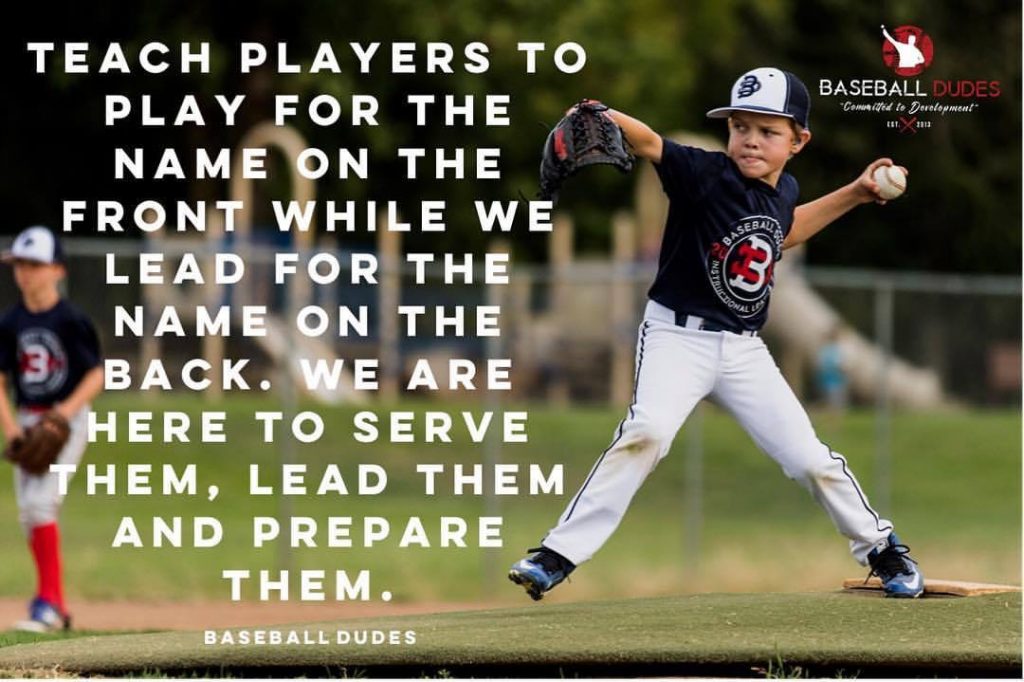
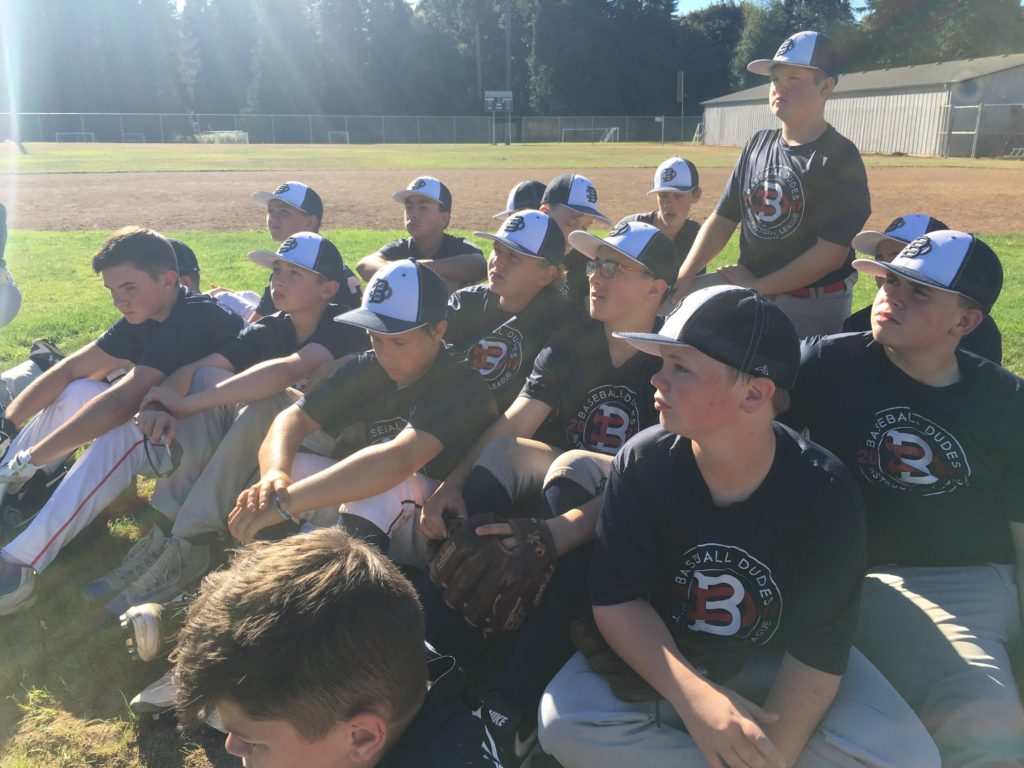
I’ve been there. Blessed with the opportunity most will only get to dream of. Played with guys who came from NOTHING. Played on the worst team in the league. Played on the team that walked away with the ring. Had middle infielders behind me who led the league in errors and fielders who ended up being big league all stars. I played Little League, Babe Ruth and American Legion ball. Played no more than 2 to 3 dozen games in a season as a youth. Had coaches who were over the top. Had coaches who genuinely cared. Played for coaches who had no sense being in the position they were in. Played for coaches who didn’t teach. You name it, there is a good chance I’ve been through it personally or have seen and worked with others who have gone through it.

We have this obsession with playing on THE BEST team. We think being on a sub .500 team is a travesty. We think playing with and against average, or below average, talent will stunt our players growth. We think…

We think a little too much at times. We try to control everything a little too much at times. WE need to chill out!

I’m going to be honest and I know a lot won’t want to hear or admit this, but this is an adult issue. We get frustrated watching sloppy baseball. We lack patience for all of it. We drink the kool-aid and are sold on “this is what you should do” instead of taking the time to educate ourselves. SLOW DOWN!

That poor baseball, those L’s, those W’s…They just don’t matter. What does matter…Passion for the game, determination to get better, using the lessons, being a great teammate, raising leaders, how we behave as parents, how we behave as coaches, the example we give, what we talk about at home with our kids, how we help them deal with failure, how we help them handle success…What does matter is the people we are raising.

Adults, we must check ourselves. Stop making the GAME bigger than what it is. Stop making the game about OUR feelings and emotions. Help them get the most out of the ability they were born with. If they truly love the game, you will see it in their eyes. You will see it in how they work. You will see it when they are on a losing team just as you would if they were on a wining team, BECAUSE THEY LOVE THE GAME.

It’s a game and we are always out there to come out on top but remember this, those wins, losses, trophies, seeding, ranking…Nope, they just don’t matter in the big picture. Mom, Dad, Coach, Grandpa, Grandma, your mindset matters. Your leadership matters. Their Character matters. Baseball is temporary, but the lessons are forever. Use the GAME to prepare them for LIFE. That’s what matters.

Psychologist

No matter what level we are coaching at, we are developing minds. We are developing attitudes. We are teaching right from wrong. We are their leader and we are preparing them for life.

Having worked with, coached and trained, players ranging from 4 years old to 30 year old professionals, there’s one common theme with all of them. They need confidence. They will not be able to perform to their potential if they don’t have it. They need to believe and it’s hard to believe when they don’t have the support of those around them. Those being their teammates, coaches, parents, teachers, siblings, friends, etc.

The psyche is a fragile thing. When it breaks, by the players doing or by outside actions, the toughest part can often be putting it back together. This is where great leadership comes in. Just as a moment of poorly timed criticism can break a spirit, a moment of perfectly timed faith and uplifting words can bring ones attitude from the bottom to the top.

Strong leadership understands the levels of mental toughness. They understand and never forget how tough this game is. Quality leadership will never raise it’s voice out of anger to make them feel better but will only raise their voice in a motivating manner. That is leadership. That is looking to bring the confidence out in everyone and not trying to make them feel bad for their shortcomings.

Berating, belittling, putting down, demoralizing, showing up and calling out does no good for anyone. All it will do is instill fear, hatred, anger and break trust. It can break a team. This is poor leadership and can shatter the one thing they need most, their confidence.

Good Leadership is compassionate. Strong Leadership speaks the truth, even when it’s hard to hear, but will always give a solution. Quality Leadership has trust where poor leadership will struggle to keep it. Great Leadership can relate to different ages and is never biased towards talent and ability. Servant Leadership speaks with confidence to build confidence in those around them and knows the impact their words can have in a moment of failure.
Confidence is key to success on and off the field.

BUILD THEM UP…NEVER PUT THEM DOWN.

The Game Fixed Me


From a troubled teenager to a forty-five year old business owner and father of three.

I grew up in the Bay Area of California. Lived there until I was 13 years old. Was a Little League All Star, one of the top youth quarterbacks in our area and had a good circle of friends. The summer before my freshman year of high school my father received a transfer from the company he worked for and we relocated to the Northwest where we lived for the next 30 years.

Moving to a new town at this stage of life turned out to not be not so easy for me. I’m just a bit introverted (unless you want to talk about my children or baseball!) so finding new friends wasn’t the easiest. In football, no one knew me from Adam, the coaches pretty much had their teams made before the season started so I was never really given a chance and that season ended up being my last (guess my passion for it wasn’t that deep). The Baseball season started on the same note. My supportive parents finally convinced me to ask the coach for a meeting to express my feelings about how I felt I could help the team. That season ended on a good note with me proving my worth.

Fast forward to my sophomore year, I started running with the wrong crowd, made too many poor choices and even ended up leaving home for a couple weeks. Being a parent now, having two sons who have graduated HS, I can now imagine the pain I put my parents through. I’ve apologized on multiple occasions to them for the heartache I caused them during that phase in my life (lump in my throat). On the field, I had a good season and even got to spend a little time with the varsity team.

At some point during my junior year, I must have done some maturing. My circle of friends grew for the good, my dedication to the game became stronger, my academics started to improve and doors opened (I was invited to participate in the Area Code games as there were no tryouts back then) with the realization that there was a real chance to do something with Baseball beyond high school.

My senior year I committed to Texas A&M but chose to become a professional after being drafted in June of 1996. Three days after graduating I was gone. I had to grow up fast, start making my own decisions, start learning how to relate to people from all over the country, from different parts of the world and quickly realized that if I wanted to make it all the way, I had to be different.

As my career chugged along, my first handful of seasons were a roller coaster, good season, rough season, good season, rough season. Looking back, I really struggled with my work ethic (didn’t push myself hard enough) and struggled with accountability (every failure was my teammates, the umpire or my coaches fault). Put those two together and you get one unprepared emotional mess.

During my seventh season our first child was born. I still remember to this day being in our apartment in Colorado Springs realizing that life would never be the same. I could not be selfish anymore. This new person in my life needed me more than anything else. My wife needed me more than anything else. Every choice, every action, every behavior needed to be made with them in mind. Now it was time to REALLY grow up! Coincidently I also found myself in front of a coach who taught me more about pitching than all my seasons before. When I look back, this could also be when I was finally ready to receive the instruction (when the student is ready, the teacher appears).

From that day forward, the game taught me how to deal with so much. I started taking responsibility for my own preparation. Started understanding how weak I had been all those years blaming everyone and everything else for my faults. Started accepting every failure as a lesson (seeing them as a way to grow and get better, not as an embarrassment). Stopped comparing myself to everyone else and just focused on being the best I could be (stopped obsessing over my teammates and opponents stats). Stopped going out of my way to tell everyone how I was doing and started asking them how they were doing. (if someone want’s to know how I am doing, they can ask but I am not going to volunteer it). Stopped looking for support and started giving support.

My playing career ended after fourteen seasons. A couple years later it led to a coaching career (though I had already been working with youth players for many many years before). This career taught me a whole new set of lessons. The first lesson the game gave me was that as a coach, I CANNOT behave like a player. It took me a whole season to get that out of my system. Once I realized how important this leadership role was to helping these kids all grow as ball players and people, EVERYTHING CHANGED. Every choice, every action, every behavior was now watched. Now emulated. Now a resemblance of my character and leadership.

The Game took a broken teenager and gave him direction. The Game took a selfish young player and showed him responsibility, accountability and how much of a strength selflessness really is. The Game broke me down and drove me to discover perseverance. The Game forced an average professional ball player to really figure out what it takes to become a big leaguer. The Game has blessed me with an avenue to provide for my family with. The Game took a retired player and is now teaching me what Leadership REALLY means every…single…day. The Game has given me Purpose and now provides me with countless opportunities to pass along everything it TAUGHT me.

The Game Fixed Me in more ways than anyone will ever know and THAT is what the Game means to me.

What Matters Most

What’s the main objective? What’s the ultimate goal? What does this all lead to? Is it fame? Is it fortune? Is it success? Is it about us? Is it about them? What is it??
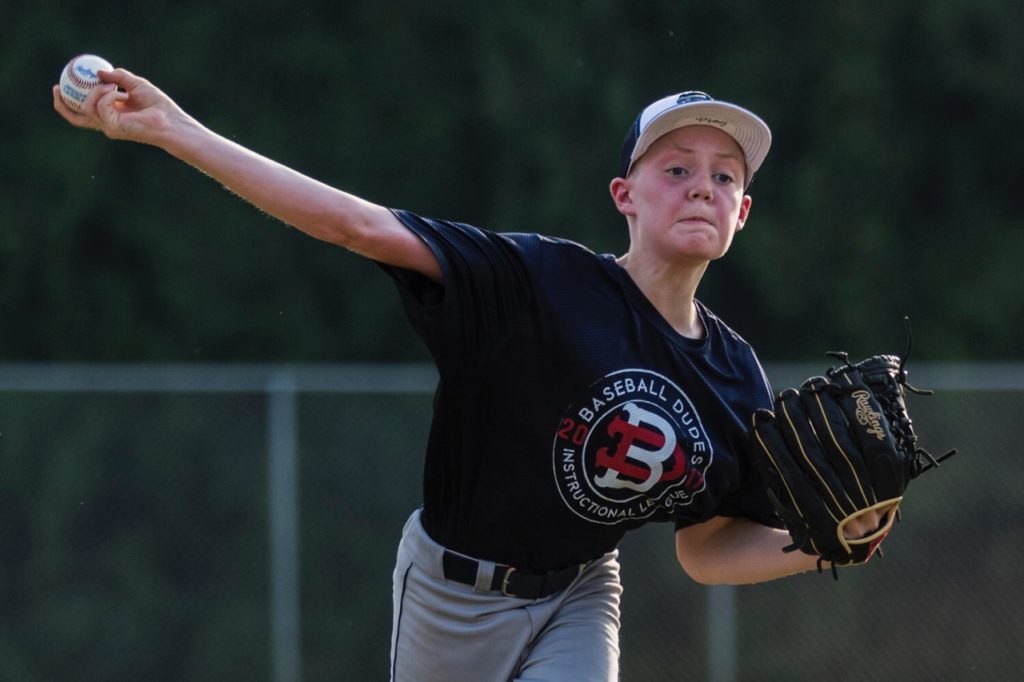
Let me give you a bit of my personal highs and lows in the game and as a person. But while I list them out, understand that these achievements and failures are not listed to say look at what I have done, they do not define me as a person, coach or athlete, but to show you the ups and downs I have experienced as a player and person and how they all played a part in who I am today.

– Played majors in LL as a 9 year old.
– Was a LL all star.
– Played LL as a 13 & 14 year old.
– Pitched from 46′ at 12 years old and then jumped to the big field as a 13 year old and didn’t start learning HS rules until then (have to mention this as so many these days think if you wait until this age you have no chance).
– Also played basketball and football as a youth.
– Moved to a new state before freshman year of HS.
– Had to convince HS coach to give me an opportunity as a freshman as to them I was just a new kid and they already had their starters picked out.
– Was NOT a four year varsity player (2 years).
– Was NOT a good student as a freshman and sophomore.
– Had a very rough patch as a person/son as a sophomore.
– Chose the wrong group of friends during those years.
– Did not get good SAT scores.
– Signed to attend a major college.
– Was drafted in the 4th round after being led to believe it would be the 1st.
– Had an up and down first half of my professional career.
– 1st child born in 7th year of career, 2nd in 9th year and 3rd during the 12th year.
– Was released twice before ever pitching in the big leagues.
– Right timing, right coach or a combination of the two, I started to finally figure it out as a 25 year old.
– Had multiple seasons where my performance was deserving of a call up to the big leagues that never came.
– Finished with 14 years pitched with roughly 1500 innings pitched, over 1200 strikeouts, 500+ walks allowed, 130+ HR’s allowed in my minor league career, lost many and won many with my fondest memory being giving up #160 to Pujols that went nearly 500 ft!
– Had plenty of days I was great and plenty of days where I was flat out awful. In the end, the days I was bad are why I was able to achieve what I did.
– Was a part owner of a failed indoor facility.
– Coached in the minor leagues with the Angels for 3 years, left on my own terms.
– Have been blessed to mentor and work with many young athletes and their families over the last 10ish years.

Again, this list is to give you a better understanding of what I have personally experienced, gone through as an athlete, person and coach and to hopefully really help you understand that when I my thoughts on if this matters or that matters, it’s not just smoke. Not just something I have read about in a book. Not just something out of a story someone told me, it’s ALL from personal experience, from working with others and helping/teaching them how to grow and maneuver this crazy sports world.

So now let’s talk about this a bit. What matters most? Is it being an all star? Is it playing with and against the best talent? Is it playing for the so called “best” organization? Is it traveling all over the country to play? Is it committing to a D1 school? Is it being drafted? Is it playing in the big leagues?

All tremendous achievements and all goals attained BUT what if none of these things happen for you or your child? Be it because of not developing early, not being able to afford the travel and fees associated with the “best” program or not having the talent to play college baseball or reach the big leagues. Does that mean you are a failure? If you are so consumed with the thought that these are the only definitions of success, then yes, in YOUR mind you are a failure. If you let these ideas define you, you will behave like a failure.

Coming from someone who was blessed to accomplish what most will not, please take my word for this, IT’S NOT WHAT MATTERS MOST!

Who you become as a person, MATTERS MOST. The people you raise as a parent, MATTERS MOST. The people you help along your way, MATTERS MOST. The difference you make in the lives of others, MATTERS MOST…The energy you put out there, MATTER MOST. PERIOD!!

**The PROCESS that each success and failure requires, the lessons you have learned and will learn, how you grow as a person and the characteristic traits you will develop, the toughness and compassion, the determination and will, the grit and perseverance, the me attitude that transforms into a you attitude, IS WHAT MATTERS MOST.

Achievements are goals attained. We all have our own talents, our own goals, our own dreams. As you work towards each and every one of them, pay attention to the PROCESS. The work ethic you are acquiring, the lessons you are learning, the person you are becoming, the type of leader you are growing into because…THIS IS WHAT MATTERS MOST.

Conditioning…Distance Running

Day 1 = 20-30 minute run
Day 2 = 10-12 poles
Day 3 = 8-10 half pole sprints
Day 4 = 8-10 30 yard sprints
Day 5 = Game

That’s an example of what my generation of starting pitchers would do for conditioning (just the running part) between starts. Boy have times changed! For the last half of my career, I would include sprint work with the distance work on days 1 & 2 simply because I felt I would benefit from it.

Towards the end of my career, we started to see some changes in the approach to distance running and the benefits, or lack of benefits as many argue, pertaining to baseball players and more specifically, pitchers.

When you think about it, if a pitcher were to throw 100 pitches and their delivery took 1-2 seconds to complete from start to release, you’re looking at between 2-3 minutes of combined physical exertion for that athlete. Doesn’t seem like a lot I know, but take my word for it, 100 pitches thrown with max effort and max focus over the course of a 2-3 hour game can be extremely exhausting, especially during a day game in the mid west in August!

With that in mind, this is the reason for a shift in thinking and getting away from distance training and spending more time on quick/short burst training. A starters conditioning routine these days may look something like this…

Day 1 = 10-12 sprint poles
Day 2 = 10-12 60 yard sprints
Day 3 = Agility Work
Day 4 = 8-10 30 yard sprints
Day 5 = Game

As a player, I loved the sprint work and grew to enjoy, and look forward to, those distance days. Maybe the distance work contradicts the explosive fast twitch way of playing the game BUT there is one major thing that was very hard for us former players to get the trainers and strength and conditioning coaches to realize…The mental piece. The time to reflect on our performance. The mental toughness you develop when needing to push through that last 5-10 minutes when you would love to stop. The mental & physical stamina you are developing, very similar to competing and when your tank is starting to run out but your team needs you for another 1-2 innings.

It’s definitely a tough argument were both sides feel very strongly about their beliefs. You have the player side who performed, relied on and saw distance running as a piece to their success and then the other side which never performed for a living but has all the science based research and information to back their side of the argument.

In the end, I think they both should be, and can be, incorporated into weekly conditioning routines. They all have their PHYSICAL & MENTAL benefits. It’s arrogant to ignore either side of the argument. Players who end up playing the game for a long time will end up developing their own routine that they enjoy and works for them.

Conditioning is a part of the game. It’s a part of being a well rounded athlete. Develop, set a routine and make it a habit! Enjoy!!

Temporary

Truth is, as coaches and teachers, we will most likely never become permanent fixtures in our players and students lives. Some we may meet once while others we may get to spend years in front of but bottom line, we are not permanent.
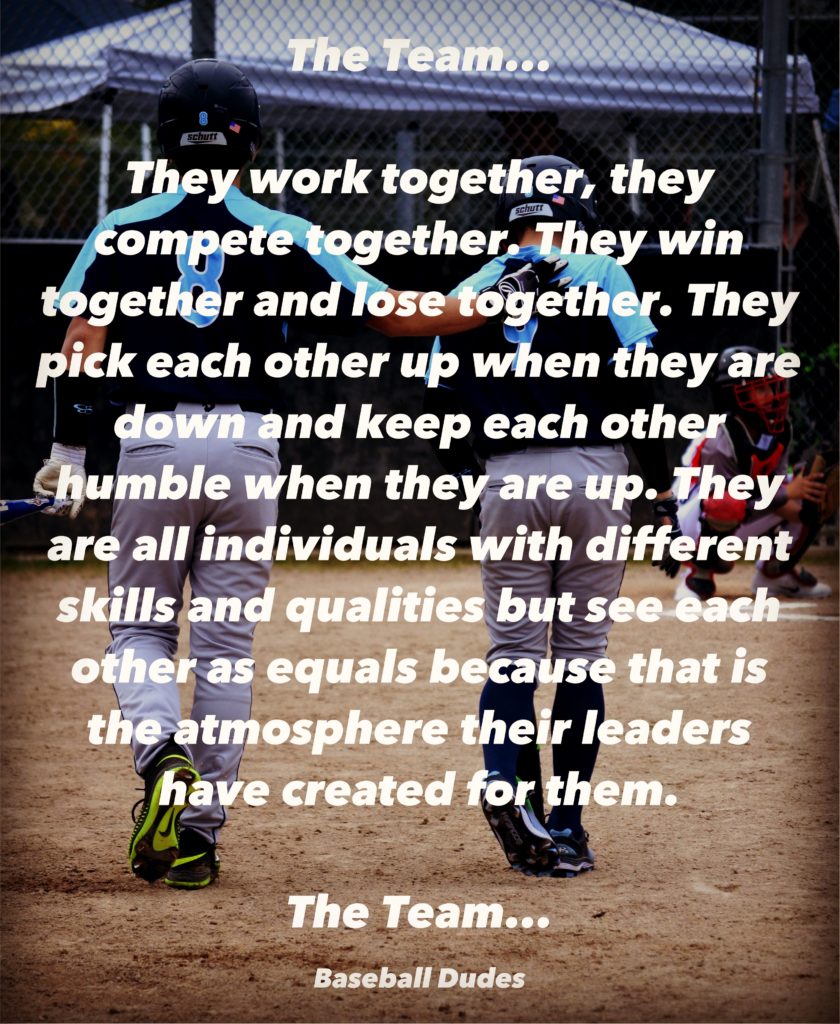
With that said, we should always be striving to make a permanent impact. We should always be leading by example. We should always have a vision for preparing them for THEIR future. We should ALWAYS be making our decisions based on what will give them the best possible chance for success as they maneuver through life.

Here are a few ways to ensure you leave a positive, and hopefully permanent, impact on those young developing minds looking up at you…

Perseverance:
Adversity is, and will always be, a fixture in life. Using this game to help them learn how to handle it is an invaluable lesson that can be worked on nearly every day. They will fail out there. They will have bad days. They will have poor attitudes. Help them learn from these mistakes, how to remain in control when they occur and give them opportunity to redeem themselves. When a child learns to move on from failure in one moment and then recover a moment later and succeed, that’s where exponential growth happens. Help them learn how to believe and be confident when everything around them is telling them to not be.

Humility:
Be confident, not arrogant. The game is easy for some, especially when they are younger. Confidence often gets so high that when the failure inevitably hits, many of those ultra talented will fail at failure simply because they have never been challenged by it. Praise and rehearse success while always preparing how to mentally handle failure. When we think, and act like, we are bigger than the game, we are doomed. Help them learn from each others victories and each others mistakes. Prepare them as a whole for the ups and downs of this game and life.

Respect:
Your handshake, how you relate to the umpires, how you react in moments of failure, how you treat them…ALL OF THEM. These are all examples that you will show on a daily basis when around them. They know we are watching them but we must never forget that they are watching us too. At the end of the day a question we should always be asking ourselves is “Did we lead by example?” We strive to develop respectful people and the best way to do that is to be a respectful human being ourselves.

Integrity:
To be trustworthy, reliable and someone others look to for truth. Unfortunately, they will come across many people in their lives who they will come to learn simply say what they think others want to hear so they can get what they desire. Take it upon yourself to help them learn about this. Don’t allow them to give you an answer that you know is not true but is said because they think it’s what you want to hear. Help them stay away from developing this habit. Help them understand what it means to be a person of their word. To keep commitments. To be honest.

Selflessness:
Acts of kindness, putting the needs of others first. Finding ways to give back and bringing focus to the team. Teach them to lift one another up, to give their best at all times because that is what their team needs. Never allow selfish behavior and if it persists, it’s time for a break (on the bench) no matter their talent. Great leaders are always looking to create more leaders and great leaders understand the importance of WE and not ME. Selfishness should always be replaced with lessons of Selflessness.

Professionalism:
How we handle ourselves. How we dress. How we walk. How we win. How we lose. How we handle adversity. How we talk to them, the officials, their parents and their opponents. Our language and OUR BODY LANGUAGE. Developing quality, and trustworthy, people starts from day one. No matter their age, be the example they will need for long term success. One day they will be a professional at something so find ways to help them create habits that will make that transition a little easier.

This is a game, keep it fun, keep it loose but ALWAYS remember that there are developing minds and bodies standing before us that are learning how to live. Learning how to be an adult. Developing habits that will carry them through life. If you keep this in perspective, you WILL be the example they need.

Just because we may be TEMPORARY, that doesn’t mean we can’t make a positive PERMANENT impact. Every decision and choice we make needs to be forward focused with being an example in mind. Relentless Leadership leads to positive habits.

Sportsmanship is…

– Knowing that the best team doesn’t always win, but the team that plays the best that day, did.
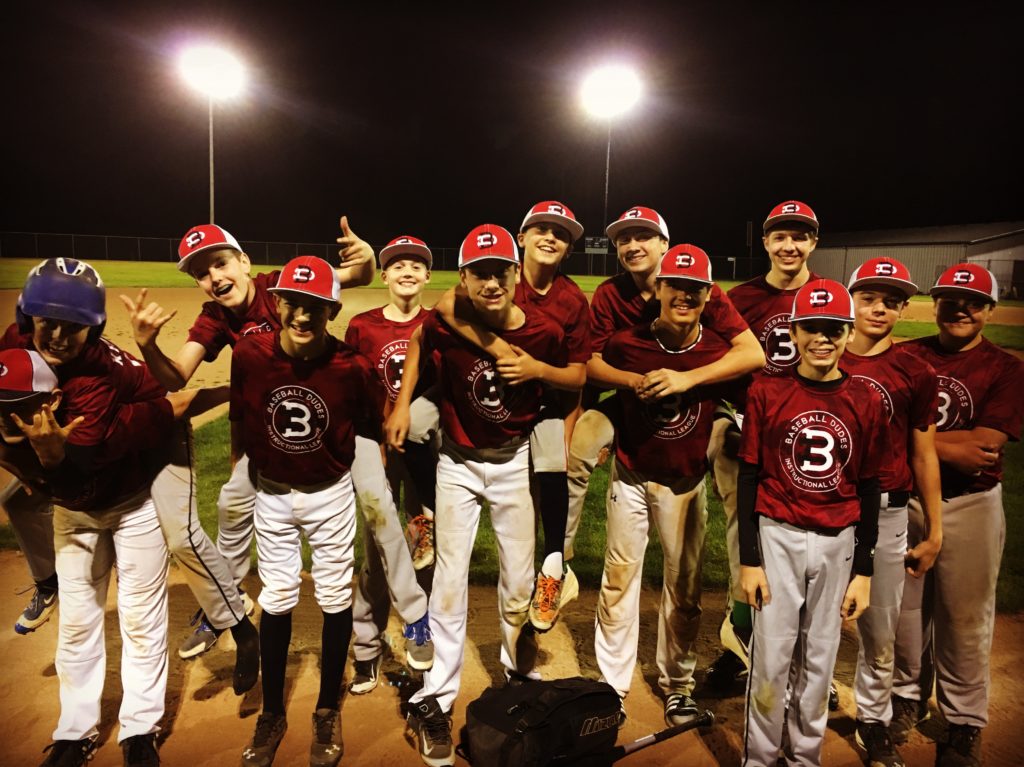
– Knowing that it’s OK to lose, strike out, make an error or get knocked around on the mound (as long as you learn from it).
– Picking up a teammate that had a bad game (or didn’t get in) and sharing a similar past experience.
– Leading by example with quality attitude & effort.
– Giving credit to your teammates for their effort on the field, even when you were a big part of the win.
– Not talking about how good you think you are, but letting your performance prove it.
– When you beat another team and they talk highly of you.
– When umpires and other teams are happy to see you succeed because of the type of person and team(mate) you are.
– Respecting everyone.
– Sincerely shaking hands with the umpires after the game, even when they make mistakes that may have cost your team the game.
– Keeping your composure when you are pitching a no hitter.
– Keeping your composure when you are getting smacked all over the field and walking batters.
– Staying positive when your team is about to lose.
– Showing class regardless of the outcome.
– Jogging around the bases at a good pace when hitting one out of the park.
– Not showing someone up because they make an error or strikeout in a big situation.
– Never making excuses, blaming coaches, teammates, the mound, umpires, the ball, fans, etc, even if it may have been their fault.
– Being sincere while going through the sportsmanship line after the game.
– The joy of competing, not just winning.
– Never complaining.
– Showing compassion when a teammate makes an error and having a mindset of wanting to personally be better and help pick the team up.
– Feeling great after playing well and winning OR losing to a better team 2-1.
– What you can give to your team, not what your team can give to you.
– Respecting your opponents, even when they aren’t showing respect to you and your team, because it’s the right way to act. Be the better person.

It’s NOT poor language, playing dirty, running up the score, disrespecting the umpires, delaying the game on purpose, standing at home plate or walking up the line when smashing a home run, bat flips, staring down the hitter after striking them out, staring down the umpire when you think he made a mistake, yelling at the umpire from the dugout or the stands, yelling at your opponents from the dugout to distract and embarrass them or pouting when you fail but wanting to be everyones friend when you see success.

Opportunity: Given vs. Earned

Had a conversation with a friend recently who wanted to share his situation and was looking for some advice. We have actually spoke on this topic often before and he has read most of what I have written on it. It’s that topic that seems to always be an issue of concern amongst the adults. Playing time and what’s deserving of it.
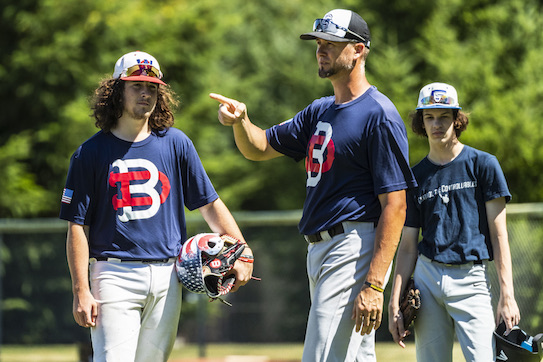


As the convo went on and he explained his current situation, the topic came up of when do they, the players, need to start realizing that their ability and performance will be what determines how much, if any, time they will see on the field? At what age? Who helps them become aware of this truth?

Such a sensitive topic. You have two sides to this with the adults opinions and emotions being so deeply involved in this kids game.

One side is of the families of the players who have the ability, never see the bench which often comes with adults who want to win so badly, often more than their kids even care, and routinely fail to even notice the kids who are constantly on the bench, whose development is being ignored leading to passion and love for the game to diminish. And the other side is the families of those kids who are being left behind because they are late developers and the adults have deemed them not good enough or deserving of opportunity and the emotions that come with seeing their childs self esteem deteriorate before their eyes.

Parents are often blind to what is going on with anyone else besides their own child. That’s just human nature. I refer to it as being “Blinded by Love.” Thinking your kid is Gods gift to the game when in reality their talent is currently no different then many others. Not SEEING the big picture of a team and how you make 12-15 pieces fit as they only see 1. A parent/coach being so much in their own world and believing the team revolves around their kid who they continually put ahead of all of the other players on the team even though, again, their talent is no better than many others on the TEAM. Or on the flip side, a coach being infatuated with talent and obsessed with the “W” that they focus so much on results and continually fail to recognize those who need them, and Opportunity, the most.

I could go on and on with that topic but you get the point. Love is blinding and when we lose sight of the big picture and fail to see everything and everyone in front of us, we will without a doubt miss something.

So when is the right time? When should the game go from everyone getting opportunity to performance earning opportunity? For me it seems around the early teen years is a good time. This is also when they meet the big field. This is when the game will weed out many who won’t see the same success. Be it because they physically haven’t developed yet and are simply too weak for those dimensions or they are being coached by someone other than Dad now and aren’t getting the same opportunity which reveals their true love for the game or life is changing and they just don’t enjoy the game the way they used to.

My message to him was that in a perfect world, the game weeds them out. The game has become bigger than their talent and their heart and they simply can’t produce consistently. Many youth ball players never become HS ball players and for me it should be their talent and level of determination which decides that, not by someone two or three times their size and four times their age.

With that said, there needs to be someone in their lives who helps them understand this reality. The tricky part though is that someone, coach or parent, having feel for reality. Not being “Blinded by Love” and helping the player understand that the higher you get in this game and in life you will need to perform to see opportunity and you will have to keep performing to keep seeing consistent opportunity. Again, for me, this is a convo that should happen around twelve to maybe fourteen years old. I’m sure there are many who see that as too late but again, this is where I am at.

How I got here: I played with guys who were late draft picks who battled and proved themselves to become big leaguers while seeing guys who were what we call a “can’t miss talent” who simply couldn’t make it on the higher stage. I coached players who were the 25th man on the roster who are now star big leaguers and guys who received multi million dollar signing bonuses who never proved deserving of a gift like that. I’ve trained kids who were absolute stud youth players who never played above HS ball and I’ve trained kids whose deliveries and swings were so off that you would think there is no way they will make it on the big field yet they turned into college athletes. The point is, YOU NEVER KNOW! We are not God and we do not know what they will be like next month, next year or five years from now. Too often we become so obsessed with NOW that we forget this is all just a small piece to a bigger picture. Our job is to teach them, all of them, and help them figure this thing out. Honestly, it’s not about us adults. In no way is it about us. Many out there need to be much more careful, slow it down, and think twice about the choices they are making. Think about the team AND each individual. Remember that 20 years from now they will most likely not remember any of these moments, wins or loses, but the opportunities that they are given, or the ones that are taken away, WILL be what helps mold them into the person they will one day be.

Bottom line, I think it’s ALWAYS important to remember that for growth in anything opportunity is needed. And when you completely take away opportunity, no matter the age, there will be ZERO growth. Until you get to the big leagues it should always be about development. How can we help THEM get better? How can we prepare them for the next level? What do we need to do to make sure they grow physically and mentally as an athlete AND as a person?