
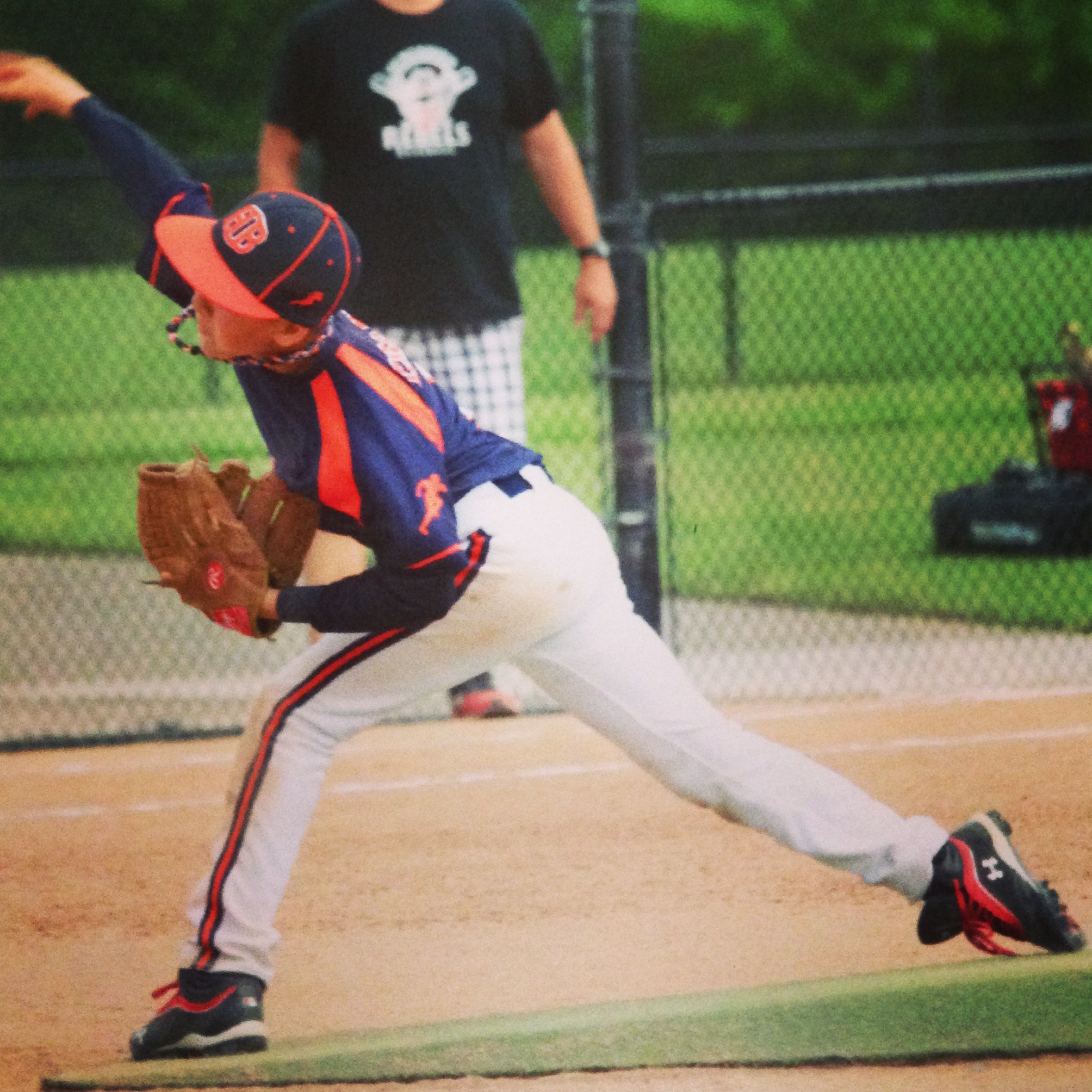
 It’s very tough to pitch in higher elevation cities. Pitchers struggle with it all the time. Sinkers don’t sink. Fly balls fly further than normal. Breaking balls usually don’t have the bite they do when closer to sea level. In my opinion, there are a couple keys to be able to have some success in these places.
First, you better be able to pitch inside with your fastball. And I’m not just talking about going in there a couple times, I’m talking about going in there often enough to make the hitters uncomfortable. Hitters naturally have more confidence in these ball parks since they right away know they have the advantage. Hitters are taught to look for something out over the plate that they can get extended on. Often, they are also taught to let it go inside and look away on the next pitch. I have heard, on many occasions, hitting coaches and hitters say that very rarely will you see a pitcher who can command the inside part of the plate.
When you do go inside, commit to that part of the plate. Tell yourself, if you are going to miss, miss off the plate. It’s ok if you knock someone down or mistakingly hit him, you have to be able to own this side of the plate, especially in those higher elevation places. Get comfortable at pitching inside for balls and strikes and you will see more success.
Second, and this goes for anywhere, you need to learn what “Down in the zone” really means. Five inches above the knee is NOT down in the zone. Down in the zone is the knee caps or lower. Pitchers often fool themselves thinking they made a great pitch, but most of the time if they are able to go back and look at it on video, or ask their catcher, they will realize the pitch wasn’t where they thought it was. When throwing a bullpen session, you need to focus on this. If you throw a pitch that is too high, have a coach or the catcher tell you how high it was and get the next one down. Develop that muscle memory you need to get it down consistently. Become a good self evaluator and be able to recognize when you made a good pitch or bad pitch.
Command the inside part of the plate and the bottom of the zone and you will have more success in not just the higher elevation cities, but anywhere you pitch.

Founder of Baseball Dudes. Blessed with three beautiful children and an amazing wife. Baseball is my life, after my family, and I love sharing what I have learned from it. Thanks for taking the time to view what we offer here at Baseball Dudes.

 I talk a lot about not letting teachable moments pass. This may be the most important part of a coach’s job. If done, and done correctly, this is where coach’s will see the most growth in the players no matter if they are 5 or 25. It’s the small details in a delivery, swing or the game that, if corrected, will turn average and below average teams into winning teams.
  I am very fortunate to spend a every day around some of the best players and coaches in the world. Today I got to listen to one of our coaches explain, to one of our top prospects, what goals are, why they are important and how you should set them. Here you go…
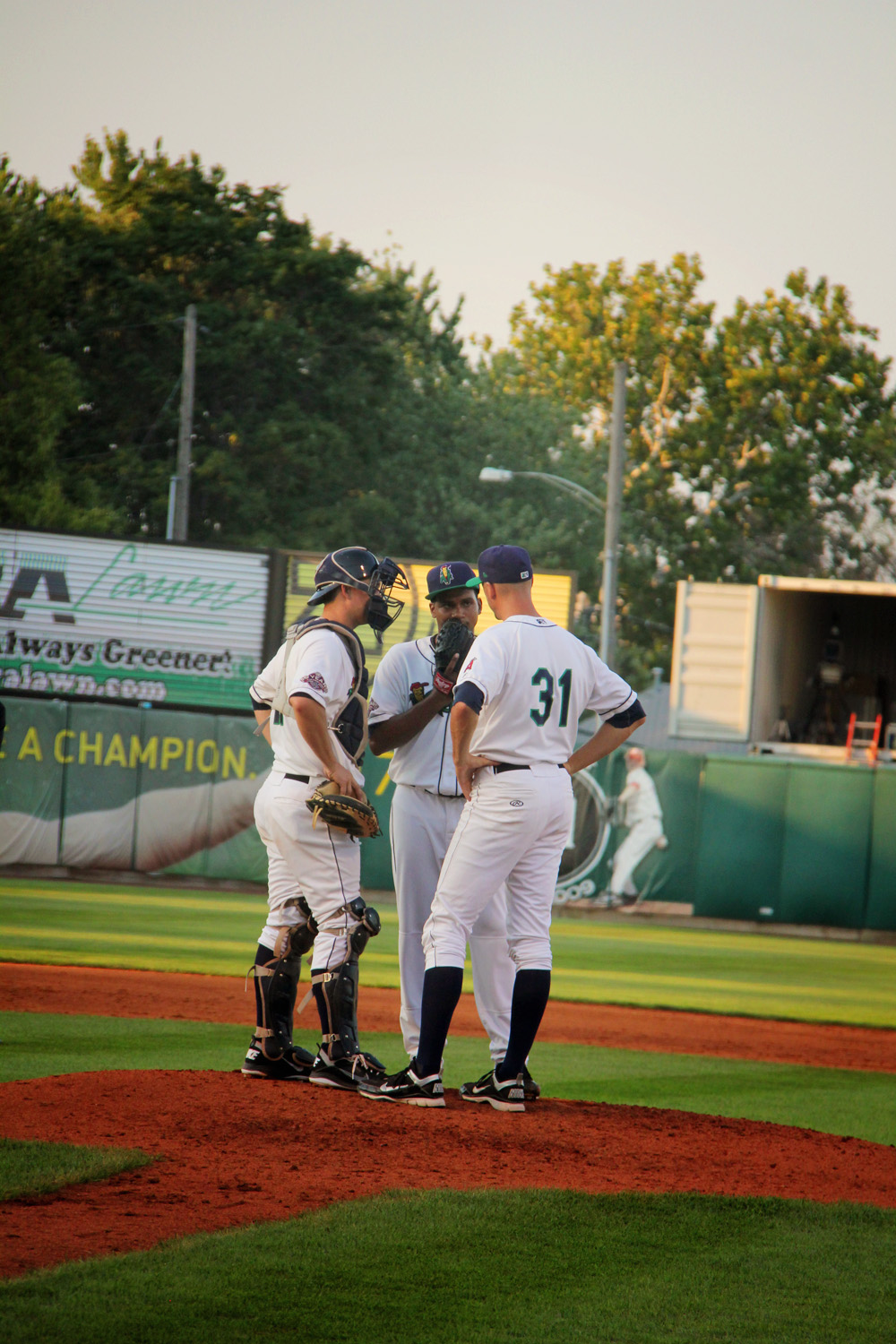
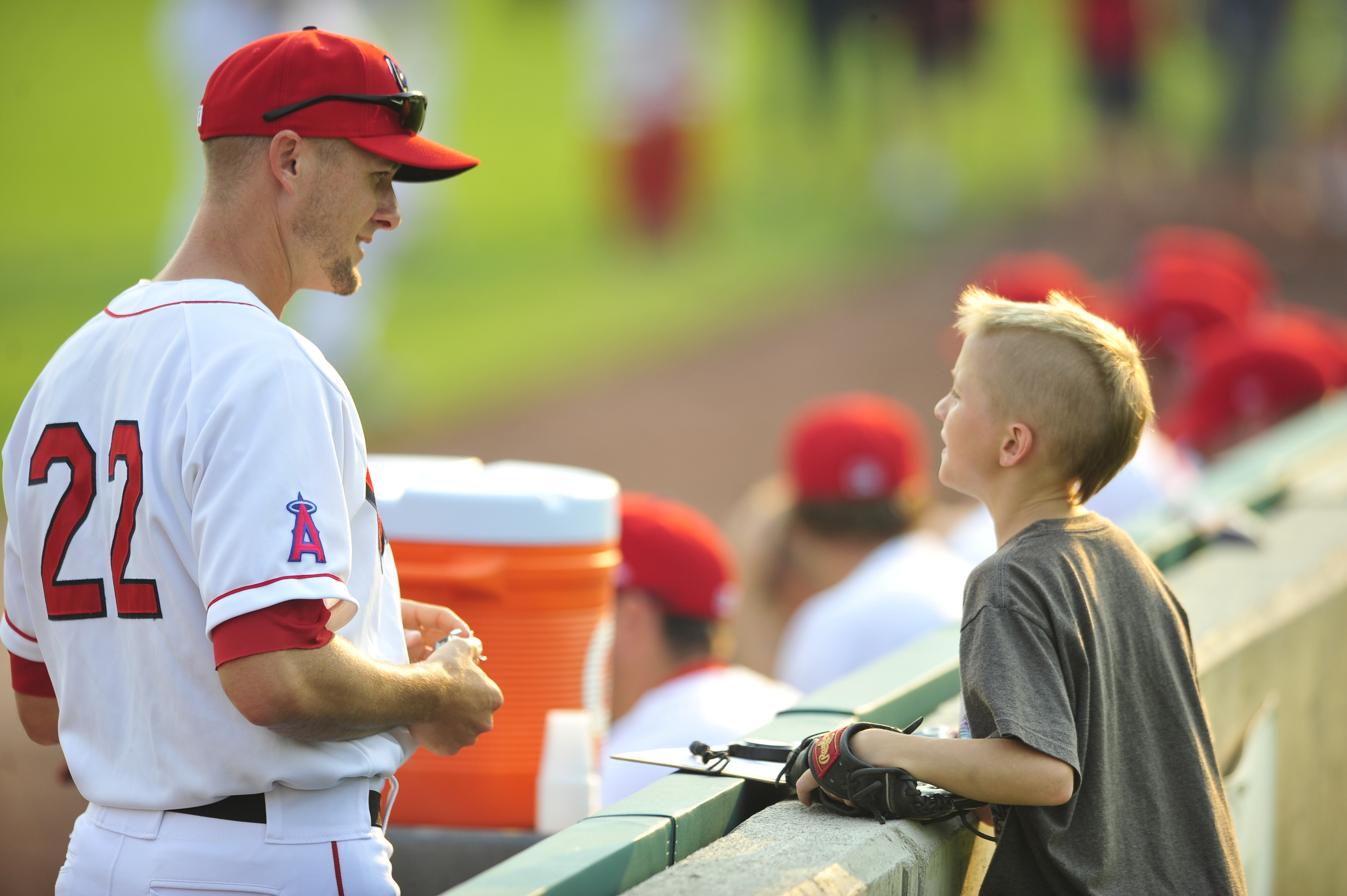
 I recall watching an Angels @ White Sox game this past summer. Chris Sale started for the Sox and pitched a one hit shutout on 98 pitches (under 11 pitches per inning). When it comes to pitching, a 12-15 pitch inning is considered a quality inning as far as pitch count goes. That’s 4-5 pitches per batter. For us to achieve this, we should have a goal of getting the hitters out in three pitches or less.
  I recently had someone ask me what’s the biggest difference when working with professional pitchers and youth pitchers. As we got further into it, we started discussing the PROCESS that they all go through.
  When you think of pitching, you need to realize that it is just a glorified game of catch. The #1 job of a pitcher is to throw strikes, execute pitches and hit his target as well as he can and as often as he can.
  For those of you who may not have heard yet, we have partnered up with “I Play Clean”. Their mission is to educate and encourage high school students to make the right choice of playing clean – that is, training hard, eating well and playing with attitude, instead of resorting to illegal and dangerous steroids and performance enhancing products.
 Let’s talk “Tempo”. What is it and why is it so important in this game. Before we start our day, we always go over the previous nights game. This topic always seems to come up. Tempo in baseball can mean different things for each guy. Obviously there is the Tempo of the game. How quick, or slow, the game is going. This is important to help the pitcher on the mound stay in a groove, keep your fielders on their toes and keep the hitters off balance.
  A person or players success in life can be altered by the reputation that they build over time. Every decision someone makes can, and most often, will affect it. In some cases, a good or bad decision might not affect that person for a long period of time, but eventually all of our choices will directly affect us somehow.
  Every player is unique. Each batter has a different swing. Each pitcher has a different delivery. As players get older, hopefully they are being helped to learn what makes them the best they can be.