Archive for Baseball Life – Page 4

10 Keys to Development…

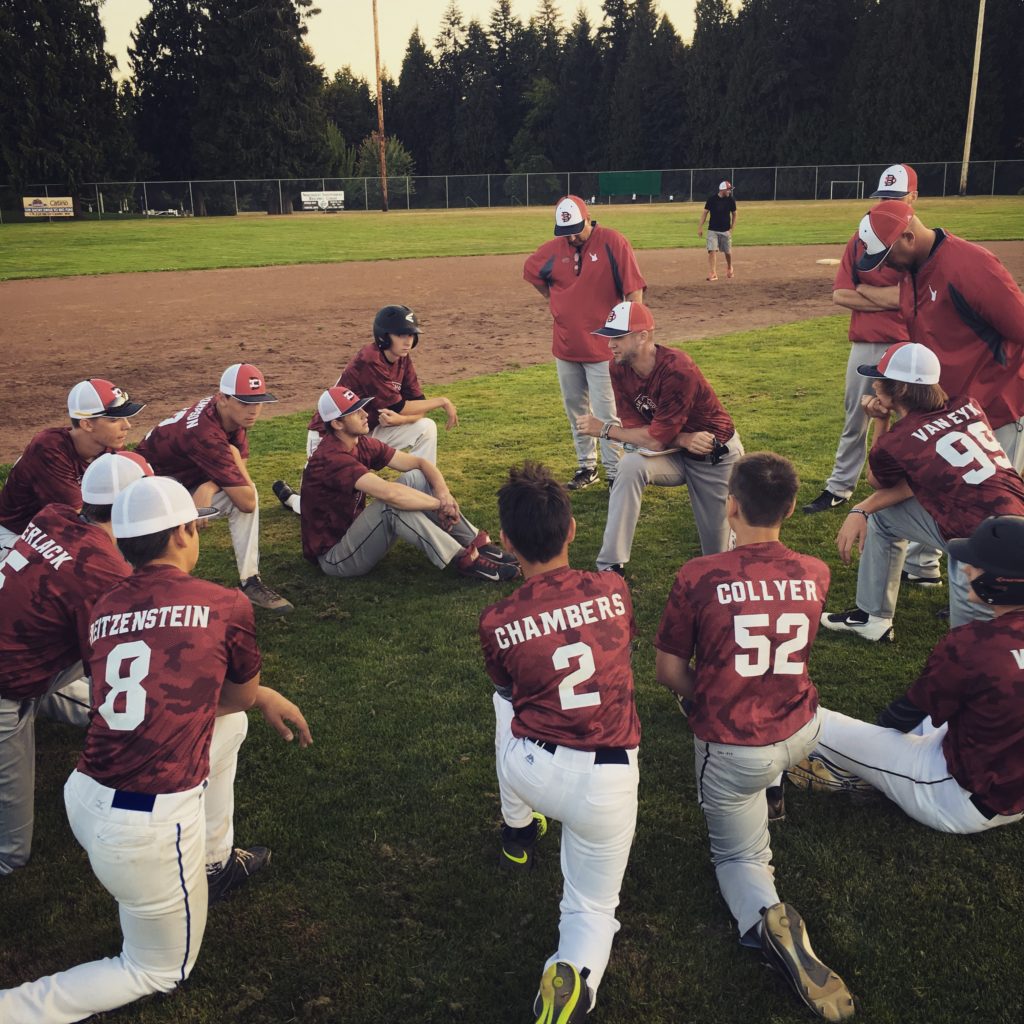
IMG_80911. Provide players with playing time at multiple positions throughout the season to enhance baseball IQ. DON’T play them at just 1 or 2 positions all season.
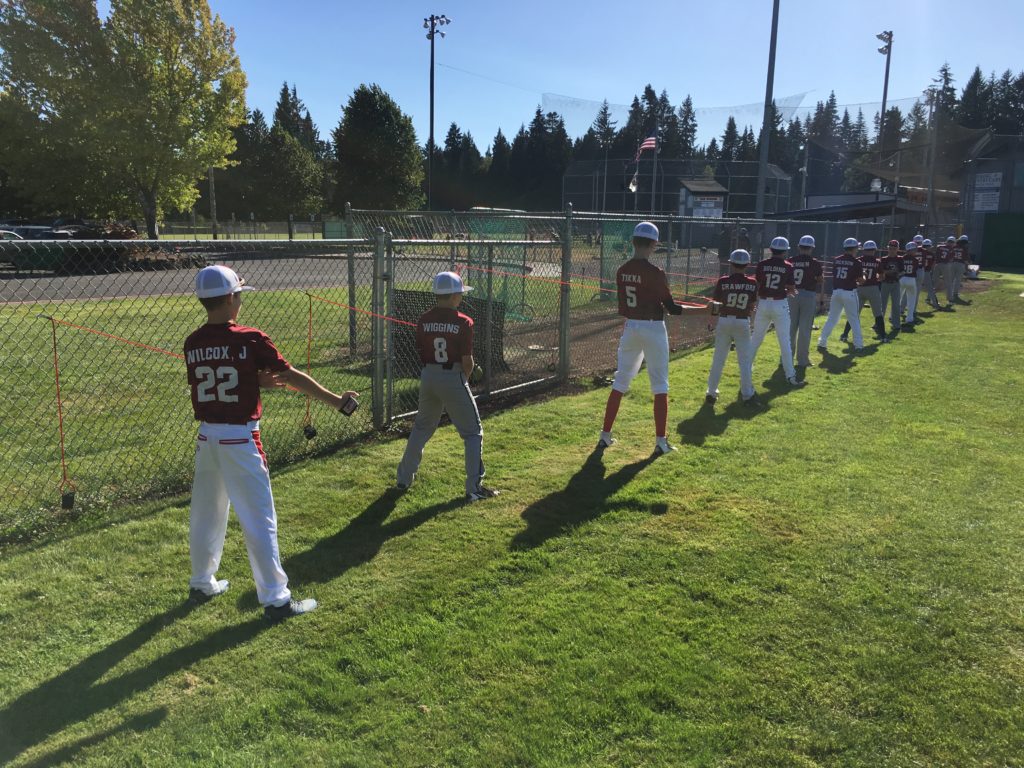
2. Dedicate practice time each week to continuously work on the little things. DON’T only play games once the games start.

3. Take away playing time for poor sportsmanship, disrespect, selfishness and poor choices. DON’T turn a blind eye because it’s your more talented players but follow through only when it’s a player with lesser talent.

4. Allow and encourage pitchers and catchers to call their own pitches while teaching them to observe and evaluate each situation to make better, more thought out choices. DON’T call each pitch from the dugout and even worse, with a message that they are not allowed to shake you off.

5. Promote thought and encourage aggressiveness. DON’T dictate as to say it’s your way or no way.

6. Constantly promote self evaluation, ask them questions and force them to think. DON’T solely speak at them without ever looking for feedback.

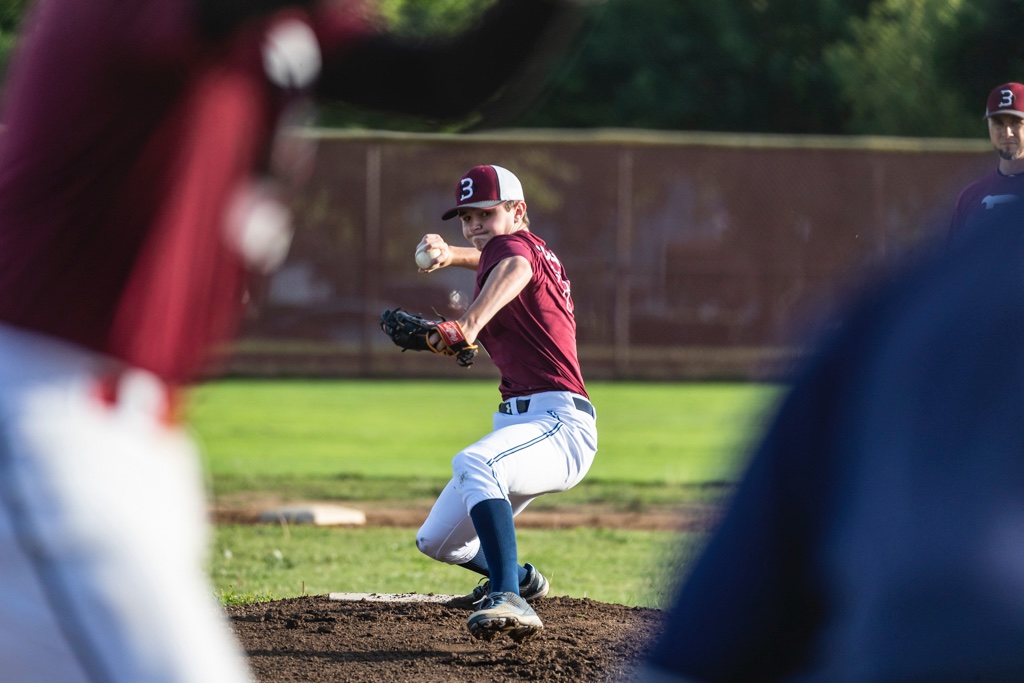
7. Have pitchers on a rotation for consistent time on the mound in games and between games to continually refine and develop consistent feel for their delivery and pitches. DON’T let it go more than three or four days without them getting on a mound or only pitch them in games without ever providing time for them to work on their weaknesses and maintain their strengths.

8. When a player makes a mistake, coach them up, rebuild their confidence and let them go back out there. DON’T take away playing time immediately or even worse, yank them off the field in the middle of an inning simply because you, the adult, have seen enough.

9. Create a team atmosphere and camaraderie through sportsmanship, respect, compassion, leadership and positivity where everyone supports and believes in each other because they all see each other as equal. DON’T create a division amongst players, parents and coaches because one group of players is treated differently than another group of players because of talent, skill and who their parents are.

10. Create a team full of leaders by leading by example and motivating, inspiring and encouraging them to act as leaders amongst themselves, towards their opponents, towards the umpires, towards their fans AND away from the field. DON’T be a poor example of how to carry yourself in moments of adversity, play favorites based on ability and talk down to them in a belittling manner because things aren’t going the way you think they should.

Development is such an important word when it comes to our youth and their leadership. As adults, at home and on the field, we must keep refining our leadership, evaluating our ways and understanding the big picture. This is all so much bigger than Baseball. This game, when viewed correctly, can be one of the most amazing life coaches there is.

Let’s stop being blinded by the “WIN” and start adjusting our thought process to focus on DEVELOPING PEOPLE through Baseball.

Developing and Protecting Arms

IMG_7894It’s been asked so many times, it’s hard to keep track of.
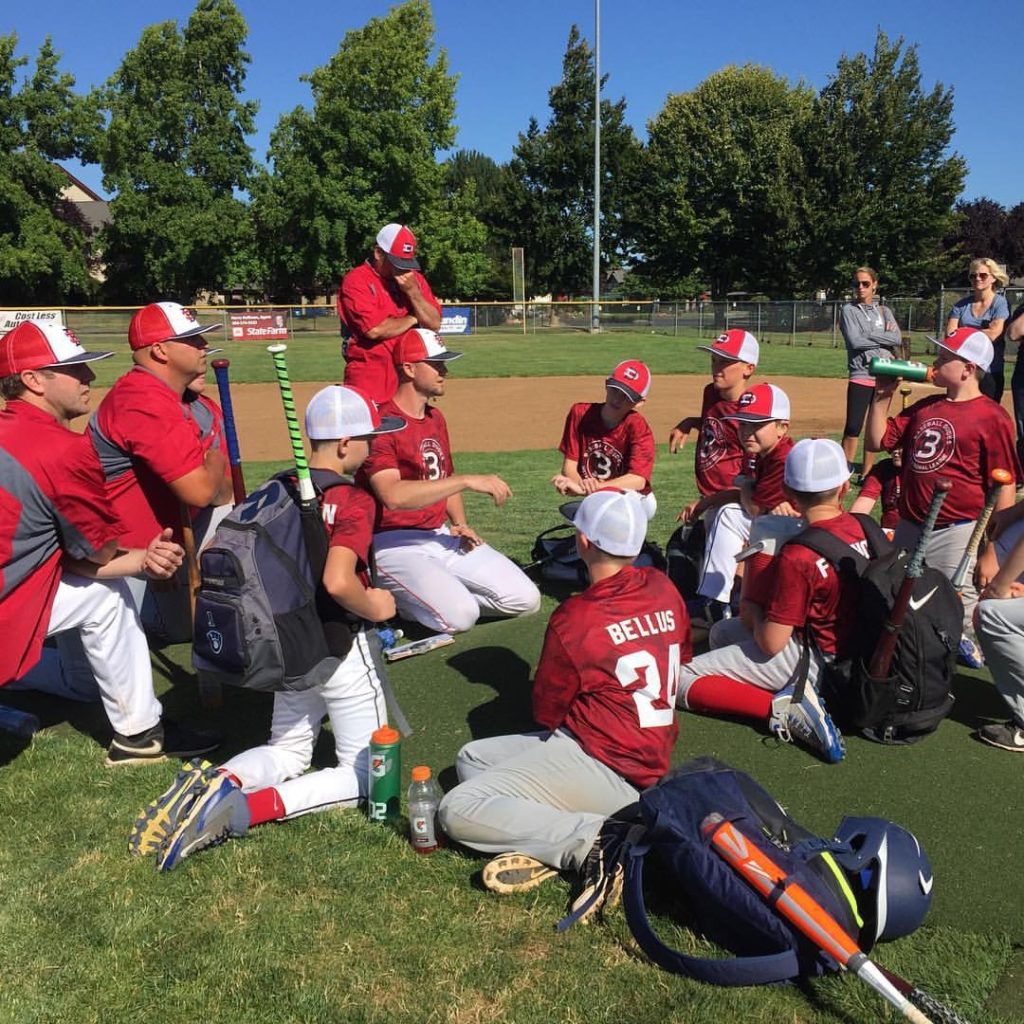
“How do you protect arms and stick to pitch counts/limits in tournament situations?”

My answer:
Put your pitchers on a rotation. Stick to it, not matter what. Have hard limits. Being so concerned with who’s going to pitch in the championship game hinders a pitchers development as it’s not always guaranteed you will get there.

Coaches who plan like this will find that they end up pitching that kid, they are saving, in an earlier game, the day before and even worse, in the same day, so they have a better chance at getting to that championship game. And then starting that kid, sometimes in the same day, in that championship game.

What also happens is that pitcher who is being saved, ends up not pitching at all and then that pitcher misses the opportunity to develop.

Plan with the players development in mind. Stop planning for the win!!

This is one difference in Development based coaching and Win based coaching.

Coaches, stop being 50/50. If there is even a hint of you that makes decisions based on what is best for you and your ego, then it’s NOT all about the kids. If you want to develop at all costs, THEN BE ALL IN!! You either have a decided and committed heart to the kids or you don’t.

Once again, this is youth baseball, not the big leagues.

Professionalism

IMG_7897A former teammate of mine posted on social media the other day with a short but powerful message…
“Professionalism. This means a great deal to me.”

To some, this may not mean much. For me personally, this is what it all boils down to. I’ve been around so many different types of people since I graduated HS in 1996. People from different parts of the US, different countries, different ethnicities, different upbringings, different educations, just so different.

As I reflect now on where I am and nearly 40, I realize that my circle, those I trust and confide in, is pretty small. When I think about why that is, this one word sums it all up…

PROFESSIONALISM

This means different things to many of us, but here are a few areas that describe what it means to me…

1) How you speak. How you talk to others and even more importantly, how you speak and relate to our young ones.
2) How you dress. For me, coaching is my job. So when I go to work, I will dress like the Baseball coaches I have had since 1996. If I look sloppy, what message am I sending to my players.
3) A firm hand shake.
4) Social Media is such big part of our youths life now that this needs attention. Your social profile is so important and telling these days that business owners, scouts, recruiters, etc. routinely use it as a reflection of ones character. It’s so important with this generation that we spent a whole week discussing, and will continue to discuss, this with our students.
5) Adults acting mature and responsible as fans and coaches.
6) Adults leading by example with Integrity, Sportsmanship and always being concerned with the mental and physical well being of those around them and those they lead.
7) Being prompt.
8) In this “Me” generation, being selfless and gracious.
9) Being Humble and not feeling the need to let everyone know where you have been and what you have done. If they want to know, they can ask or do a little research.
10) Being Coachable. Seeking information, being open minded and wanting to constantly learn.
11) Showing Respect on and off the field. Even when someone else is acting unprofessionally, you have no need to retaliate.
12) Being organized, prepared and original.
13) Moral Compass. What you deem acceptable and unacceptable behavior. What you teach and allow.
14) Humility. No matter who they are, where they have been and what they may have accomplished, they understand there are more ways to do things than their way and are always open to information.

Again, these are a few examples of what it means to me. You don’t have to agree with any or all of them and that’s ok. You create your own definition of Professionalism.

Just because you may have not played or coached professionally or ever had the phrase “Professional” attached to your name or title, it doesn’t mean you can’t act and behave like a Professional.

Be a Professional Parent, Fan, Spouse, Coach, Teacher, Instructor, Business Owner, Employee, Student or whatever it is that you do. Do it with Class, Honor and Integrity.

When you lack Professionalism in what you do, don’t be surprised when you constantly have to explain yourself, redeem yourself, back track and see people come and go in your life.

“Be Professional”

Tournament Baseball: Pros & Cons

Before I get into it, let’s get some things very clear right out the gate. Baseball is the best game on earth. If you can’t tell by now, I am very passionate about teaching it and feel very strongly about the life lessons it can teach. Respecting the game, our opponents, the umpires, our teammates, the fans and our players and their parents is a big deal to me. It’s a game that’s played to win but that shouldn’t be the end all. The safety, future and health of our young players bodies and arms should be a major concern. Through experience, I have seen that health is the number one cause of most players never reaching their full potential. And last, this is about more than just developing ball players, this is about developing people.

My Disclaimer** The points brought up below are facts and truth about what’s going on out there. I will add my opinion of why I see it as a “Pro” or “Con” and please understand it is simply my opinion and you don’t need to or have to agree.

Okay, let’s get into it. Tournament Baseball. Yes, I know, now many are thinking “Here we go again!” I’m not going to bash it. I’m not going to call anyone out (but if you take something personal, then maybe it’s something you need to think about). And I’m not going to shy away from truth. Some things just need to be brought up.

Here we go…

PROS…
• Work Ethic.
My Opinion: This style of Baseball is taken more serious. With the amount of hours put into training, some will develop very strong work habits over the years which as we as adults know, is a necessary trait for long term success.
• Reps for Hitters.
My Opinion: With so many more games scheduled to play compared to local Little Leagues and Rec Leagues, hitters get way more swings thus leading to more experience and a better chance at reaching their potential quicker.
• More innings for Pitchers.
My Opinion: Just as with the hitters, this style gives pitchers a better opportunity to throw more innings thus gaining more experience.
• Life Experience.
My Opinion: Getting to travel your state, your region and sometimes other parts of the country can be such a fun and special experience for those involved.
• Better Coaching.
My Opinion: Overall, this style is more serious simply because you have more coaches who have some sort of experience in the game. You may see better hitters, better pitching and better fundamentals.
• Teamwork.
My Opinion: To be successful tournament after tournament, a group needs to work as one (unless there is a handful on a team that is so overpowering against their competition, then a team can get away from riding their talent for a weekend). Learning to work together, picking each other up and becoming selfless can be taught a lot quicker in this atmosphere.
• Family Atmosphere.
My Opinion: When on weekend trips as a group, often we hear about team functions and gatherings. When asking players what was their most enjoyable time of the weekend, many will talk about their time together with their friends/teammates. When you sit back and look at a young persons life, it’s moments like this that they will remember most.

CONS…
• Accountability.
My Opinion: There is no one making sure that the adults are not overusing and abusing players bodies and arms. From catchers catching way too many pitches/games in a weekend to pitchers throwing too many pitches in a single inning, a single game, pitching twice in a day, pitching back to back days, pitching 3 days in a row, catching and pitching in the same game/day and throwing way too many breaking balls taking away from the development of fastballs and change ups.
• Innings and outs limits and not pitch count limits for pitchers.
My Opinion: Adults will, and are, completely abusing this. Even if they know their stud pitcher shouldn’t be pitching that day, they want to win so badly, they will push common sense to the side and make poor decision after poor decision while showing no concern for that players arm health and future.
• No inning/pitch limits for catchers.
My Opinion: Again, common sense. For every pitch made, that’s a throw back and a squat for that catcher. The age and physical strength of a KID doesn’t matter. Just as a pitcher should be limited to pitches thrown in a game/weekend, so should a catcher and the number of pitches/games caught.
• Infatuated with getting to third base.
My Opinion: Wanting to get to third base so badly so we are that much closer to scoring. A walk or a single turns into that runner on third base within the next two pitches. On a small field, the chances of throwing out a runner are so slim that the adults are abusing the opportunity. With this, we are seeing that players are missing out on learning valuable base running skills like primary and secondary leads, reading the angle of the ball out of the pitchers hand, anticipating the ball in the dirt, being prepared to read the ball off the bat and going first to third or second to home.
• Water downed coaching.
My Opinion: With so many teams you need so many coaches and with this there seems to be a major lack of experience leading the players.
• Water downed competition.
My Opinion: Many leave Little League and Rec baseball because of the quality of talent but now we are seeing teams, with there being so many teams, that may have a few of those talented players and then the rest are just like those in the other leagues that these families left. With this, you see teams with overwhelming win/loss records because they may have better coaching, or faster athletes to steal more bases, and a few more of those talented players.
• Not enough pitchers and catchers.
My Opinion: A team should never go into a tournament with any less than 8 pitchers who can give you multiple innings and at least 3 catchers. Unfortunately, many will ride just a handful of pitchers and 1-2 catchers for a whole weekend, 2-3 days, which will undoubtedly lead to overuse and fatigue.
• Too much.
My Opinion: 5 to 7 games over a 2 to 3 day period is simply too much or even worse, playing 10+ games in a 5 day period. Pitchers throwing too much (innings pitched on top of all of the other throws made during the weekend), catchers end up catching too much and kids end up being out in the heat too long. We hear stories about those championship games on that last day and the quality of Baseball being so poor because of how much baseball these kids have played the day(s) before and earlier that day. Again, common sense. Doesn’t anyone seeing this happen think that something doesn’t seem right? Do we really think this is quality baseball? Why are we forgetting about the young athletes bodies that are out on the fields?
• Too much time between tournaments/games scheduled.
My Opinion: For pitchers, having more than a week off between outings, let alone 2-3 weeks, is just flat out bad for the condition of their arms. Stamina is a major concern and for pitchers to maintain it, they need to be pitching weekly. Maxing out once (a weekend full of throwing the baseball) every 2-3 weeks is too much all at once and can lead to fatigue which is the number one cause of arm injuries.
• Seeding based on total runs scored.
My Opinion: Running up the score as much as you can to gain a better spot in the tournament rankings is awful when it comes to teaching the players respect of their opponents, sportsmanship and showing compassion. We are trying to build character in our players and I can’t think of much worse of a situation to instill bad qualities. Great coaches will look past seeding opportunities and do what’s right for developing that young person.
• Rain or shine play.
My Opinion: Baseball and wet do not go together. Add in near freezing temperatures and you have a miserable situation that’s not fun, not good baseball and flat out unsafe. From the pitcher throwing a slick ball and putting the hitters in danger to the pitcher not being able to get a good plant with his stride foot resulting in throwing with more arm than legs which puts more strain on the arm and players slipping all over the field. Not safe and bad baseball. These tournaments are so concerned with possibly having to refund money that these ridiculous rules of playing no matter what the conditions are set and once again the kids health and what’s best for them is an after thought.
• Trophy Chasing.
My Opinion: GREED & EGO! Adults being so consumed with winning some tournament or some national ranking, that decisions are made and actions are taken that are not good for the players physical and mental well-being. Berating, belittling, benching because of an error, pulling players off the field in the middle of an inning, limited to no playing time, adding players to the roster when there is no need for additional players and then giving those new players playing time and benching the players that have been with the team since the beginning and the blatant overusing of players all for a win. These are kids playing a game but too many adults treat it like they are running a MLB team. A month, year, 5 years from now they will most likely barely remember, if at all, this year of their life. But we know the adults will! My question is, what’s more important for their future? The lessons, skills and character traits they can learn and develop from this game and their time on the field OR winning a youth game, tournament or what their national ranking was when they were 12?

These are just a few things that come to my mind at the moment.

Bottom line, the right coach WILL make all the difference in the world. Their approach, true Development OR win at all costs, is the game changer. Everyone is seeking something different and when you get yourself into a bad situation, which you knew was a possibility, there’s only one person to be frustrated with. Word of mouth is key. Ask around. Hear what others are/have experienced. Observe, go and watch them practice and play. Do your due diligence.

There are programs out there that teach the kids the game. They provide opportunity at multiple positions so that they (the players) can see and learn the game from multiple angles so to be better prepared, and have more options as a player, when they reach the high school level and possibly beyond. They take care of their pitchers and catchers arms and bodies. They teach the kids how to run bases properly. They give heavy focus on the fundamentals. They instill confidence daily. They are out there but unfortunately, they are few and far between.

Parents, be patient, beware of status, take your time and find one. While searching, always remember this…Without opportunity, development is impossible. Find those that provide it!

So in closing, someone asked, “Is Tournament Baseball a good or bad thing?” The answer is no, it’s not a bad thing, but it creates situations that if handled poorly can be detrimental to your players mental and physical well being.
I can’t stress enough the importance of finding the right situation. Don’t be so quick to go with just anyone.

I hope this helps some of the young parents out there just getting into the youth baseball world and I hope this opens some eyes of those currently in this world about some of the bigger issues that are happening every weekend in cities across the nation.

What Opened My Eyes

In 2012 I accepted a minor league pitching coach position with the LA Angels. I spent the next 3 years around some great Baseball minds, learned a ton about development but was shocked and surprised when over 50% of our new draftees each year came in with a zipper on their arm (that’s a name for the Tommy John surgery scar). What the heck is going on??
Before my third season, I informed them, the Angels, that would be my last year. I would be committing my time to my family, and the families I worked with back home, full time. They needed me home and my students and their families needed someone to not just help develop their kids as players but they needed someone to help educate them.

While in the pro game, the more and more I got to know my players, build relationships and helped them achieve their dreams, the more and more I started to learn why these kids were coming in as damaged goods.

The odds of a full recovery from one TJ are pretty good now. The odds from a full recovery after your second drops from around a 90% success rate to 65%. The odds of recovering from a third, well let’s just say it’s not that good.

So that means that these young men are coming into pro ball one major injury away from a dream shattered. Let’s remember that this is a wear and tear injury (sure there are cases where a healthy ligament breaks) that should only happen to grown men who have been playing baseball for a living for many years. Not something that kids who have just started shaving are having to go through.

Overuse as a pre-teen, teenager and college player. Not enough rest for their arm in the off season. Attending showcases in the off season months. Training to throw harder but lacking an arm care program. Poor mechanics but no one suggesting a fix for them because the player is having success and generating wins. Pitching in multiple games in the same day. Pitching multiple innings and catching multiple innings in the same day or pitching a high number of pitches one day and then catching multiple innings the next day. Continually throwing more pitches than what their arm is conditioned for year after year. The overwhelming desire to throw fast, faster and to be the one who throw the fastest. Too much down time, no mound work or pitching competitively, between tournament weekends where the arm loses stamina and strength and then making an extraordinary amount of throws over a 2-3 day period and then repeating this cycle week after week, month after month and year after year. There are so many different factors that are leading to this that weren’t present in the youth baseball world before this injury epidemic.

Bottom line, they came in damaged because of what they went through and how they were handled as a young player. Between their 9 year old season through the college years, something went wrong.

When I was drafted in 1996, it was a truly rare thing to hear about a major injury. Fast forward 5 years, the game changed. It slowly started to become the norm to see more and more of these major injuries each year. The more and more I learned about the timeline, the more obvious it became that it all started around the same time that tournament style and showcase baseball exploded. These two things can absolutely be done right, but they obviously are not. There is no one holding anyone accountable when there obviously needs to be. Adults are playing with kids’ future because their desire to win supersedes their common sense.

We will continue to talk about this. As I have said, there is no argument that anyone can bring up that will make any of this ok. It’s abuse, it’s ignorance, it’s ridiculous, it’s absurd, it’s nonsense and it’s flat irresponsible. Adults, it’s time to wake up.

It’s time to make some changes…

Mentor

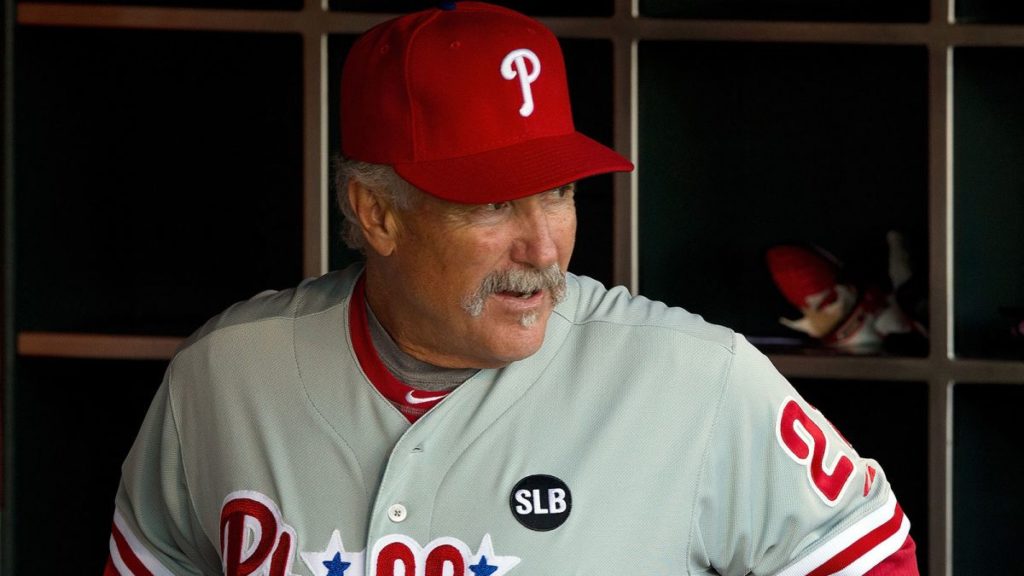
050316_MLB_Bob_McClure_PI2.vresize.1200.675.high.20
Bob McClure

This Dude changed my career. He taught me to compete mentally. He taught me how to pitch inside with my VERY average fastball. He taught me how to make the hitter uncomfortable. He taught!!

It’s an honor to call him a mentor. Though we haven’t spoken in years, his leadership was a force behind every pitch there after, every game, every day as a coach, every thought, every word and every moment since meeting him in 2003.

Here are some words I would like to point out from the article…
– Creating a positive environment, coaching instead of dictating, letting players breathe.
– He is a guy with a great deal of backbone. He wasn’t afraid to address things that had to be addressed.
– He has an emotional compass when it comes to dealing with young players.
– He creates authentic relationships with everyone so that everyone trusts him.
– He is a very deep thinker who is intellectually gifted. He has no ego or agenda — he is a very humble man who is always open for suggestions.
– But it doesn’t matter what kind of curveball you have if you can’t command your fastball.
– The better you can repeat your delivery, the easier it is for you to command a baseball.
– He’s a very calm personality, how he talks with people, how he engages with people.

Please take a moment to read. Thanks for being the person you are and for everything you do Mac.

CLICK HERE to view the article.

RESPECT…

IMG_6512Last Saturday after my oldest sons game, he’s 13, we had our usual post game discussion to cover areas we need to keep working on and areas that they are improving at and doing well. There are three of us coaches (I’m not the head coach, just there to help when I can) and it makes me very happy to hear the message the other coaches are giving these young ones.
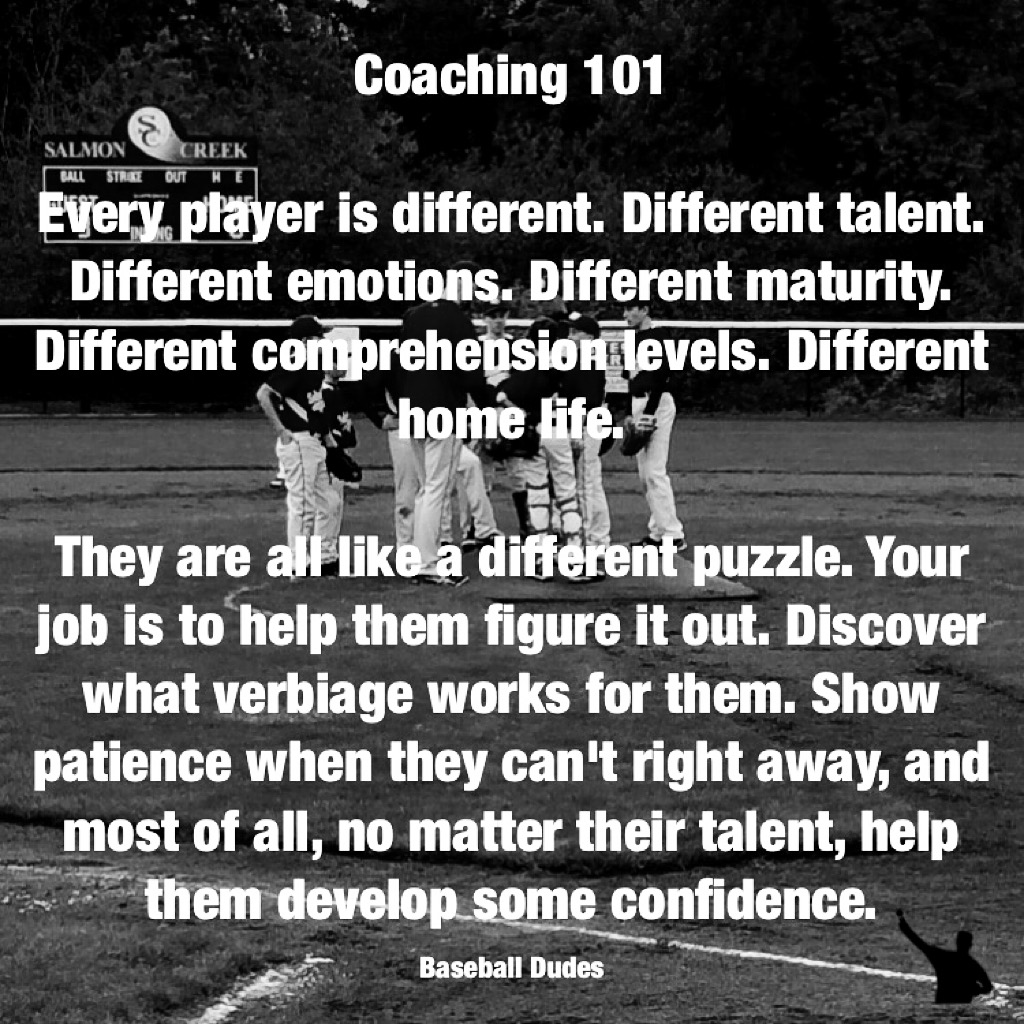
Here is the message that the head coach left them with after we discussed the game…

You boys have a very unique opportunity this season to have three coaches on the field that are not going to be mad at you when you come back in the dugout after a mistake. You won’t find us angry, mad, or upset. It’s just not how we roll. There may be times that we are frustrated with a decision made, but it would only be used as a teaching moment.

You boys need to take advantage of this opportunity to learn how to deal with failure. You are going to strike out looking, you are going to go down swinging, you are going to make the wrong decision on when to steal and be thrown out. You don’t need to hang your head, get mad at yourself, tear up, or pout. You need to learn to just say, “ah, crap!” and own your mistake, keep your head high, say “yes coach” when being taught, and go out on the next play and take one back for yourself and the team.

We are giving you the freedom to make your own judgement calls on the field a lot of times, and we do expect you to fail. We also hope we’ve coached you well enough that most of the time you are succeeding. You’re going to have way bigger failures, face way bigger disappointments, and struggle through much more difficult things later in life, and this is a chance for you to learn how to deal with those times on a small, safe scale.

There should be no doubt in any of your minds that all the coaches out here care greatly about you as young men, not just about you as players with talent. This is so much more than just baseball!

**********************

Parents & Coaches, let’s not ever forget that this is just a game. The bigger picture is life. Build them up. Let them fail and then help them learn from it. Be a positive leader. Be a mentor. Be the reason they enjoy going to the field each day.

As I have said before, if at the end of the season, they have a new found love for the game and some new found confidence, Thank You for you are doing a great thing.

RESPECT

Professional Coaching

IMG_7183This question comes up every once in a while…
Why do coaches and instructors not working for a MLB organization call themselves a “Professional Coach”?

My thoughts…

From private instruction to youth/amateur coaches to HS and college coaches to professional coaches, the term “Professional Coaching” is heavily used. So many throw the term around that unfortunately it seems to have lost its value. It seems to be more of a marketing ploy than actual truth in many situations.

Can a coach who only played HS Baseball consider himself a “Professional”? Can a coach who only played/coached College Baseball consider himself a “Professional”? Can a coach who only played/coached Minor League Baseball consider himself a “Professional”? Or does he have to have played/coached in the Big Leagues to be able to call himself a “Professional”?

The term is up to personal opinion but the deeper I get into the youth/amateur Baseball world, the more and more I am seeing a lack of good experienced coaching. I’m not just talking about with the young ages, I’m talking all the way through college ball. In the professional world, it’s too often brought up about how under developed physically and mentally young professionals are. Yes, they may throw really hard and hit the ball really far, but game awareness lacks mightily. Instincts are lacking and common sense leaves coaches scratching their head.

For me, there are so many factors that could go into this term. Playing and coaching experience, leadership skills, age, reputation/word of mouth, is it a side gig or full time gig, how do they relate with the kids and their parents, how do they speak, how do they carry themselves, etc. Understand too that just because a coach/instructor played college or professional Baseball, that by no means means they can teach it. There is a HUGE difference in playing the game and teaching the game. To be a good teacher takes time. It takes experience. It takes the right mindset. It takes being coachable. It means pushing ego to the side and being open minded to what the more experienced have to offer. I have played for and worked with some great coaches who never picked up a Baseball after their HS career. Just imagine how much they had to learn. How long it took them to gain experience. How many questions they had to ask and how often they had to just keep their mouth closed and listen.

Again this is up to personal opinion. Make your choices by asking around. Find those in your area that you trust and have older players as those families will most likely have the most experience with multiple coaches/instructors. Be very careful of just going off of what you see on some flyer or on a website. Do your research. Make an educated decision as this may be one of the most important choices you make for your Dude.

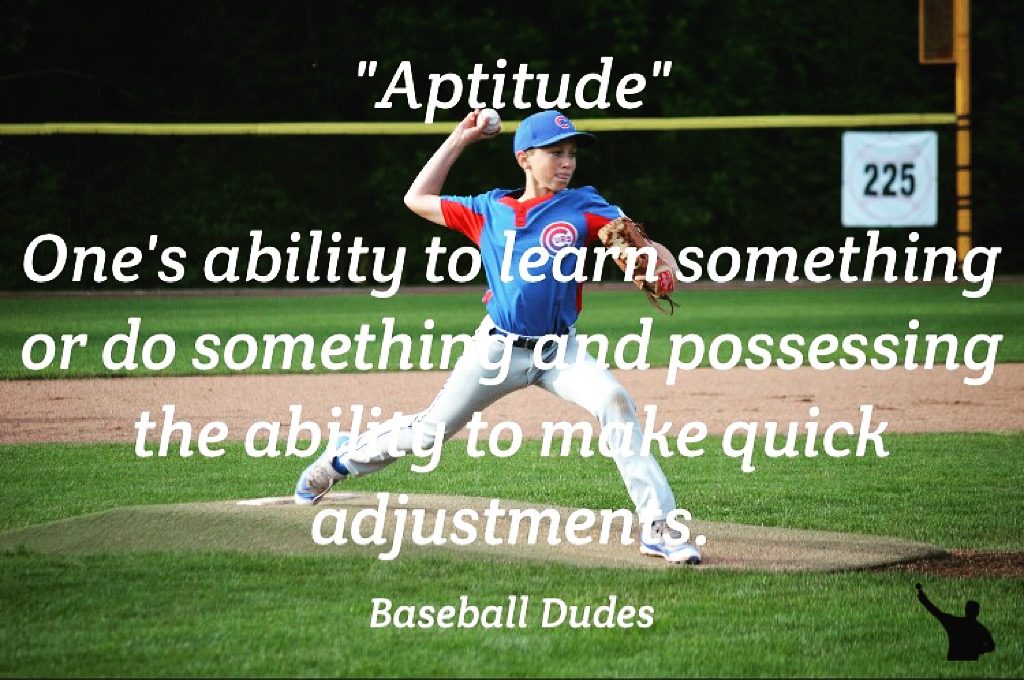
Aptitude

IMG_7233This word is used often amongst coaches at the higher levels of this game.

The higher you get, the better the players get and the quicker and quicker you will need to be able to make adjustments.

It all starts with being aware. Being aware that you’re late in the batters box. Being aware that your timing is off in your delivery. Being aware of what your body is doing. Being aware of your mindset. And recognizing that you need to change something right now.

As a coach, it’s a special thing to come across players with great Aptitude. Realize this too, just because a player has a lot of talent, that does not mean that he has Aptitude.

Aptitude can be developed but it starts with being a student. Wanting to learn. Being an observer. Paying attention to detail. Learning right from wrong and being persistent.

Never stop growing and wanting to learn Dudes!

Mental Toughness Revealed

IMG_7024Having had many teammates and many coaches, there’s one common theme with the best. The ones who saw more long term success. The coaches who had the most trust from their players.

They handled failure and adversity with grace. At the higher levels of this game, very rarely will you ever see a player or coach carry a bad day over into the next day. When they go to bed on the night of a not so good day, that’s it. It’s over. Move on. Tomorrow is a new day. Their attitude the next day will seem as if the day before never even happened. And if the next day is rough again, they will repeat that cycle.

This is what it takes to be successful in this game and in life. You must be able to move on. If, and when, you are unable to is when it will start to fall apart.

A loss is a loss. A bad day is a bad day. Your mental toughness will be revealed when you show up to the field the next day.

Players and Coaches, self evaluate, do you carry a bad day into the next?

Pitch Counts

Pitch Counts
If you decide to take some time to look over this, let me explain why this is so important to me.

First, YES, I am on the conservative side. Why? Because young baseball players these days play twice, if not three times, as many games as we did back in the 80’s and 90’s.

Second, baseball is, and has been, my life and career, especially pitching, for the last 20 years. After pitching over 1,500 professional innings and then coaching it for three seasons, I feel I have a good understanding and feel for what it takes, both physically and mentally, to survive long term.

You can take my opinion for what it’s worth. I don’t care about hearing about youth programs win-loss records nor does it matter to me how many tournaments they have won or where they rank on some national ranking list. I want to know how they are taking care of their players. How they are developing them. How they are preparing them for High School baseball. How are they teaching them the mental game and how are they at developing character.

When I first broke into professional baseball in the late 90’s, it was a big thing when someone went down with a major arm injury. As it moved on into the 2000’s, it started to become more and more wide spread. Flash forward to 2012-2014 when I was coaching, I was blown away at the number of players we drafted who already had a zipper on their elbow (Tommy John Surgery Scar).

For some reason, many seem to ignore the facts and truth, that this is all a direct cause of year round baseball, competitive pitching in the winter months when they should be resting or building up for the upcoming season, too much baseball over a 2-3 days span in some tournament, pitching without proper rest, pitching too many pitches when their arm is not conditioned for it, pitching too many pitches with poor mechanics, etc.

I understand that there are not many real pitching coaches out there. And to add to that, most coaches were not pitchers themselves growing up, so the true understanding of what it takes to throw strikes, what it feels like to battle through a long inning, what dead arm (fatigue) feels like, what proper mechanics look like and how to teach them, how to handle a pitching staff and what they need to be rested and ready for their next outing, the knowledge and experience is just not there.

The good ones will go out of their way to seek information. They will have a desire to educate themselves because they know how important that position that sits in the middle of the field on a small mountain, really is.

Bottom line, what you see on this document, is all about the kids. It is a real issue, so big that even MLB has put out their stance on it. Parents, you have to take matters into your hands if your Dude is not being handled correctly. For the sake of your kids health and development, you HAVE to find the right coach(es) and program. They get one shot at living out their dream as far as their talent will take them. You don’t want it to be an injury of over usage that puts an end to it.

**See these numbers as a guideline. You need to have “feel” for the moment. What are stressful pitches and what are efficient pitches. A pitchers ability, stamina and mental toughness should all play a factor in how they are dealt with in game action.

Click here to view, download and print the PDF file of our Pitch Count Chart

When the Student is Ready

IMG_5664The first time I heard this was during my first year coaching. It took me a while to really understand this. Now, this thought runs through my head nearly every day. From the students I work with, to parents, to fellow coaches and instructors, this couldn’t be any more true.

“When the Student is ready, the Teacher will appear.”

As a coach/parent, my one and only purpose is to give. Give as much as I can. GIVE RELENTLESSLY.

With this, I have come to learn that not everyone is looking for it. Not everyone is ready for it. Many will give signs that they desire it, but when it comes down to it, they simply aren’t there yet. Maturity, experience, ego, ignorance, pride, conceit…Whatever it is, they just aren’t ready.

That’s perfectly fine. When they ARE indeed ready, they will come find you. From an early age, it was ingrained in me to seek knowledge. My father reminded me often about who I was around and to “Pick their brains.” Learn as much as you can from everyone you can. Through this life long process, it has become quite clear that not everyone is the same. Everyone sees things in a different light. There is more than just one way to succeed.

Let me share a story…

My first year coaching, one of the pitchers on my staff was from a major D1 school. He was a high draft pick with a great arm. Long story short, he fought suggestion. His ego was like a brick wall. He had an issue repeating his delivery which in turn led to a not so good strike percentage which led to poor performance on the mound. As the season went on, one constant topic in our daily pitchers meetings was the importance in our ability to command the baseball and command the strike zone.

What many amateur (college and lower) pitchers/parents/coaches fail to realize is that a good fastball will only get you so far. It can get you in the door, but if you can’t dot the i’s and cross the t’s with it, you will never make it all the way. Hitters at that level have a better idea of the strike zone and seem to be born to turn around a 95 MPH fastball like it’s batting practice, when it’s left up and over the plate. Command, execute and repeat is the name of the game and if they can’t do that, their dream of becoming a big leaguer will vanish much quicker than they had ever imagined it would that day they signed their first professional contract.

About half way through the season, we had a miserable series. As a whole, we were struggling. It happens. That’s baseball, that’s life. It came to a head one night and I called a meeting with my pitching staff after the game. It was a tough love lecture. The truth hurts kind of message. “Some of you may find yourself at home come this time next year if you don’t figure it out!”

About two minutes after that meeting was over, this young man came into my office and asked to talk. He broke down. It was hard to see but was obviously a turning point for him. His words…”I’m ready.”

He was starting to see the writing on the wall. The competition at that level is like no other. The best player in your area becomes just another guy when they step into a professional locker room.

After a change in mindset and a couple weeks of work, he started to turn things around. He finished the season with a different approach and better results. Unfortunately for him this all happened a little too late. A couple years later, his opportunity came to an end. This is a story like many, an amateur player with a lot of talent. He was never really TAUGHT how to turn that talent into a skill. He developed as a thrower, and not a pitcher, and was never able to fully overcome this. His ego and lack of being coachable. His maturity level and his lack of humility. They buried him.

Players, parents and coaches, don’t let this happen.

I’ll tell you right now young pitchers, your big fastball is just a talent. It may get you somewhere but if you desire to make it all they way, you better learn how to command it.

Parents, raise humble, coachable, selfless young men. Men who want to learn.

Coaches, BE COACHABLE. None of us have it all figured out. When we stop looking for information, for inspiration, for guidance and for assistance, we have put a ceiling on the amount we will be able to give our players, children and your family.

“When the student is ready, the Teacher will appear.”

Life Lesson: Handling People

2015-01-30 13.30.58-1Another great life lesson this game can teach you, if you allow it, is how to relate to all different types of people.

The longer you get to play, the more teammates/coaches/fans you will get to meet and spend time with. You will come to learn that they are all different. They look different. They talk different. They dress different. They have different abilities. They have different personas and they have different opinions.

Understand that they are who they are. Accept them for who they are. If you don’t agree with how they do things, that doesn’t mean you have to be rude and shun them. Be friendly, be kind and be an acquaintance.

You will come across many Type A personalities. They are who they are. Have very strong opinions and will be unlikely back down from an argument. There egos are often larger than life. You be you and hopefully they will notice and try to emulate.

You will come across many with self doubt. Be kind and give them support in success AND failure. It can affect them more than you realize. They are looking for some guidance. If you can help, then ask them what you can do.
Then you will come across many of my favorite type. The humble ones. Those with quiet confidence. Watch them. See how they carry themselves. Watch how the react to success. How they react to adversity. Watch them and emulate them for they are the ones that many of us strive to be like.

Bottom line, be the best person you can be. Learn how to handle yourself around all different types of people. Accept them for who they are. Be kind. Be respectful. Be honest and be true.

So You Don’t Like to Fail…

IMG_6345Well neither does the person next to you, the person in front of you or the person behind you. I’m sorry to break the news to you but, you’re going to. You will do it more often than you would like to think about.

Understand this…That guy that plays Baseball on TV that you love watching, well, he has failed way more than you have in your life. He fails almost everyday at something. Whether it’s a swing and miss…FAIL, an error in the field…FAIL, a caught stealing…FAIL, a strikeout…FAIL or a pop up to the cather…FAIL. Failing is a part of this game, and to be honest, it’s a part of life.

The sooner you get a grasp of the realization that it’s going to happen, the sooner you will be able to make progress. Stop being so hard on yourself and relax. Remember, the best of the best in the world fail too. It’s a part of it. If you want to be one of the best at whatever it is you want to do, develop the ability to handle failure better than the person next to you, the person in front of you and the person behind you.

Entitlement

2015-04-23 09.22.08With success, you may see it. With talent and ability, you may see it. With a job title, you may see it. With age, you may see it. With a certain last name, you may see it and with experience, you may see it.
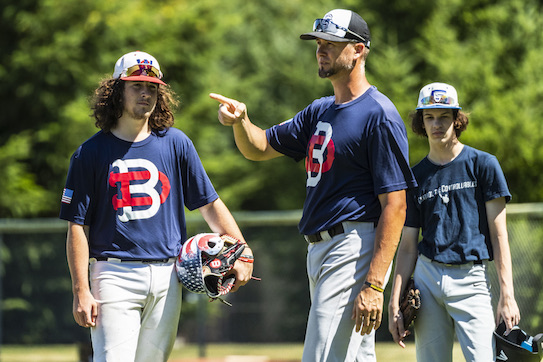


In the end, it comes down to ego. You can see it at all different ages. Parents, our goal should be to raise young people who understand what this means and make it a point to not let this happen.

Teach them to give by nature and to not expect. Be ok with being treated as an equal no matter if they are the best player on their team, the coaches kid or if they have been playing longer than their teammates.

Acting as if you deserve to be treated differently reveals a selfish mentality. This attitude can rip teams, families and relationships apart. Yes, your experience may be deserving of a different treatment, but carrying yourself in a manner that you are on a higher level than those around you will lead to a reputation of there being one person that matters most to you…YOU.

Most would care to not have this type of reputation, but if you find yourself thinking that you deserve this or you deserve that, then yes, you have a “Sense of Entitlement”.

Be Selfless, think of others first, stop wanting and start giving. Stop thinking about what you don’t have and start thinking about what you do have.