
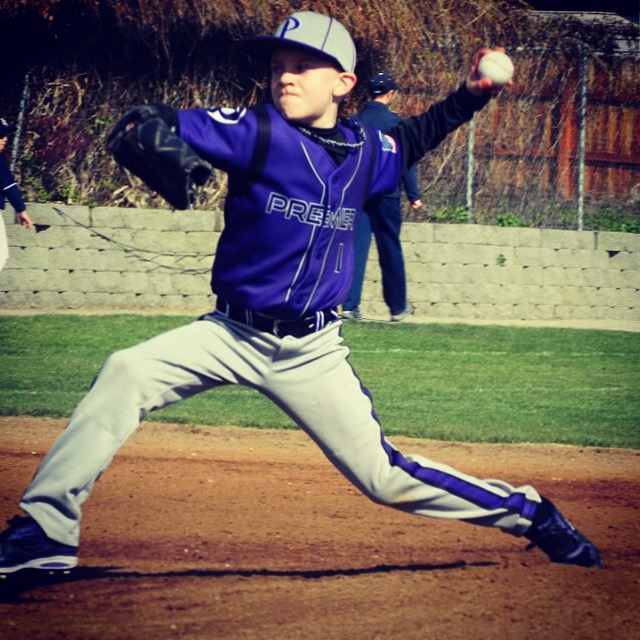
 What does it mean to “Condition” an arm and why is it important?
Conditioning an arm means to get it in shape. This takes, at minimum, a month (I recommend 2-3 months) of a regimented throwing program. You can compare this to a marathon runner training for that 26.2 mile run. If they were to go out and try to do the whole run on day one, they will fatigue quickly, have a hard time finishing the race and put themselves at risk for injury. They need to work up to that type of distance, which takes weeks, to be completely prepared and ready to run a strong race of that length.
Now, think about our pitchers. Throwing bullpens leading up to the season is a must. This is how we get comfortable with our deliveries, fine tune our command, get feel for our changeups and tighten up our breaking balls.
With that said, just because a pitcher has been throwing regular bullpens, 30-40 pitches, does not mean they are ready for 60-80 pitches their first game out. They NEED to be built up to this type of number. This can be done before the regular season games start with throwing simulated innings (throw their pregame routine, rest, get back up and throw their warmup pitches followed by simulating three outs and repeat this to build up stamina and strength) AFTER their bullpens or if they have not done that, they need to build up their pitch count over the course of games pitched. For example…
Game 1 = 2 innings or 30 pitches
Proper days rest!
Game 2 = 3 innings or 45 pitches
Proper days rest!
Game 3 = 4 innings or 60 pitches
Proper days rest!
Game 4 = 5 innings or 75 pitches
Proper days rest!
Sending a pitcher out there, whether he is 9 or 29, and throwing them 60+ pitches for their first outing of the season without being properly conditioned, is setting that pitcher up for failure and an injury. Fatigue will instantly set in and with fatigue comes a higher risk of injury.
Another common issue is when pitchers have an extended period of time between games pitched. The arm loses stamina very quickly and when pitch counts aren’t maintained week after week, that game a pitcher had 3 weeks ago where he threw 80 pitches, means nothing today when deciding how many pitches to allow them to throw. He most likely will be good, arm health wise, for 30-40 pitches.
Let’s also be clear that all pitchers need proper warmup in the bullpen before they go into a game to pitch. They should have a 20-30 pitch routine they like to do that will help them be prepared for battle! I know sometimes, this is not possible in youth baseball as you may only have enough players to field a team, but if you do have enough players, have the pitcher you plan on using next, on the bench ready to warm up if the situation presents itself.

Founder of Baseball Dudes. Blessed with three beautiful children and an amazing wife. Baseball is my life, after my family, and I love sharing what I have learned from it. Thanks for taking the time to view what we offer here at Baseball Dudes.
 Such an important piece as our young ones are preparing for their baseball life on the big field and their High School career and hopefully beyond.
 Having had many teammates and many coaches, there’s one common theme with the best. The ones who saw more long term success. The coaches who had the most trust from their players.
 There are plenty of different Change Up grips to try/use.
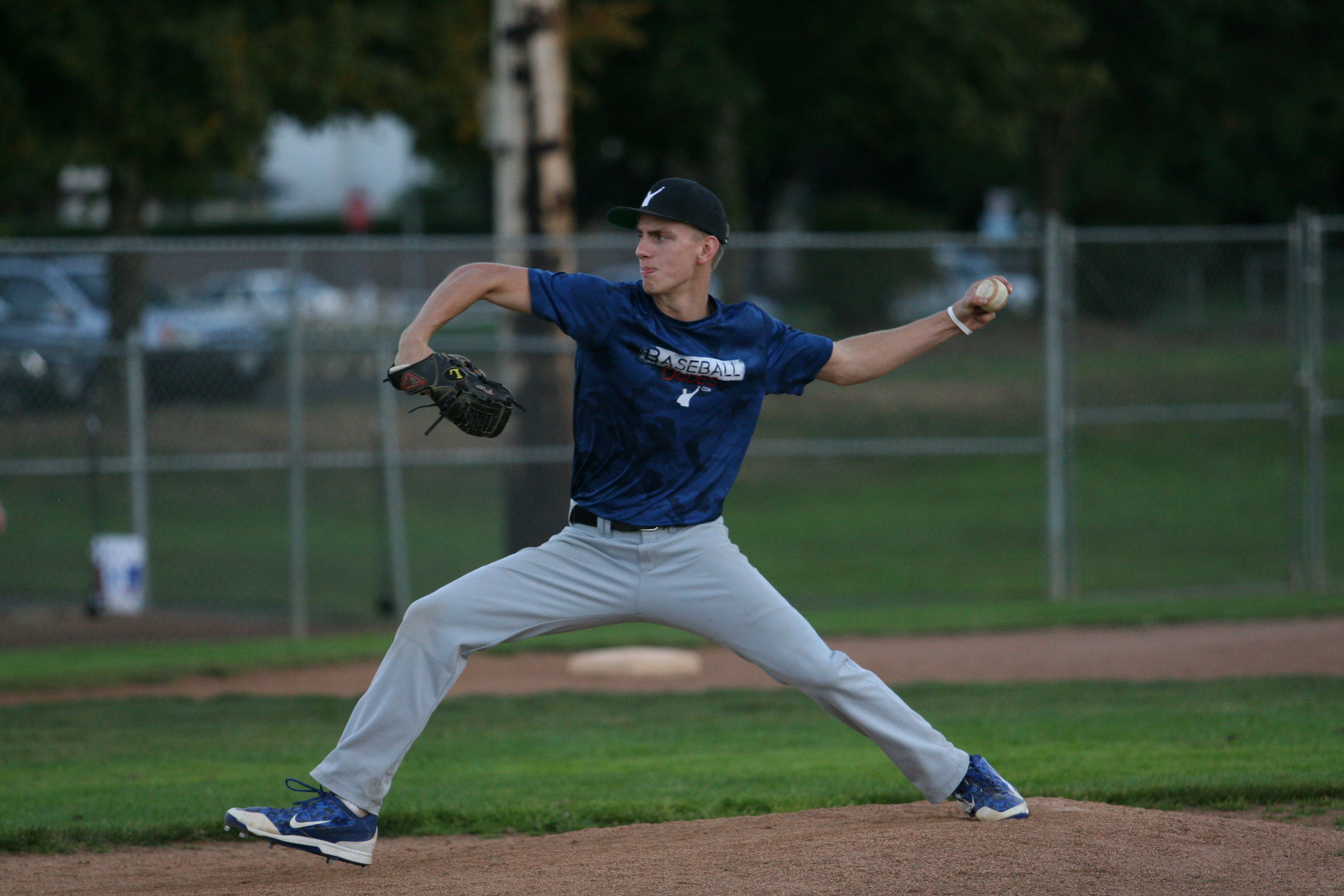 Tempo may also be referred to as “Pace” or “Speed” of the game. “Tempo” is controlled by the pitcher and catcher. Working quick may be the number one way to make a hitter uncomfortable, put the advantage in the pitchers hands and keep the flow of the game moving which also greatly benefits the focus of our defenders on the field. This can be judged by the amount of time between innings and pitches. At the professional level, we would shoot for 8-12 seconds from the release of one pitch to the release of the next. Obviously, this will be different when the ball is put in play, a mound visit is taken, etc.
  The first time I heard this was during my first year coaching. It took me a while to really understand this. Now, this thought runs through my head nearly every day. From the students I work with, to parents, to fellow coaches and instructors, this couldn’t be any more true.
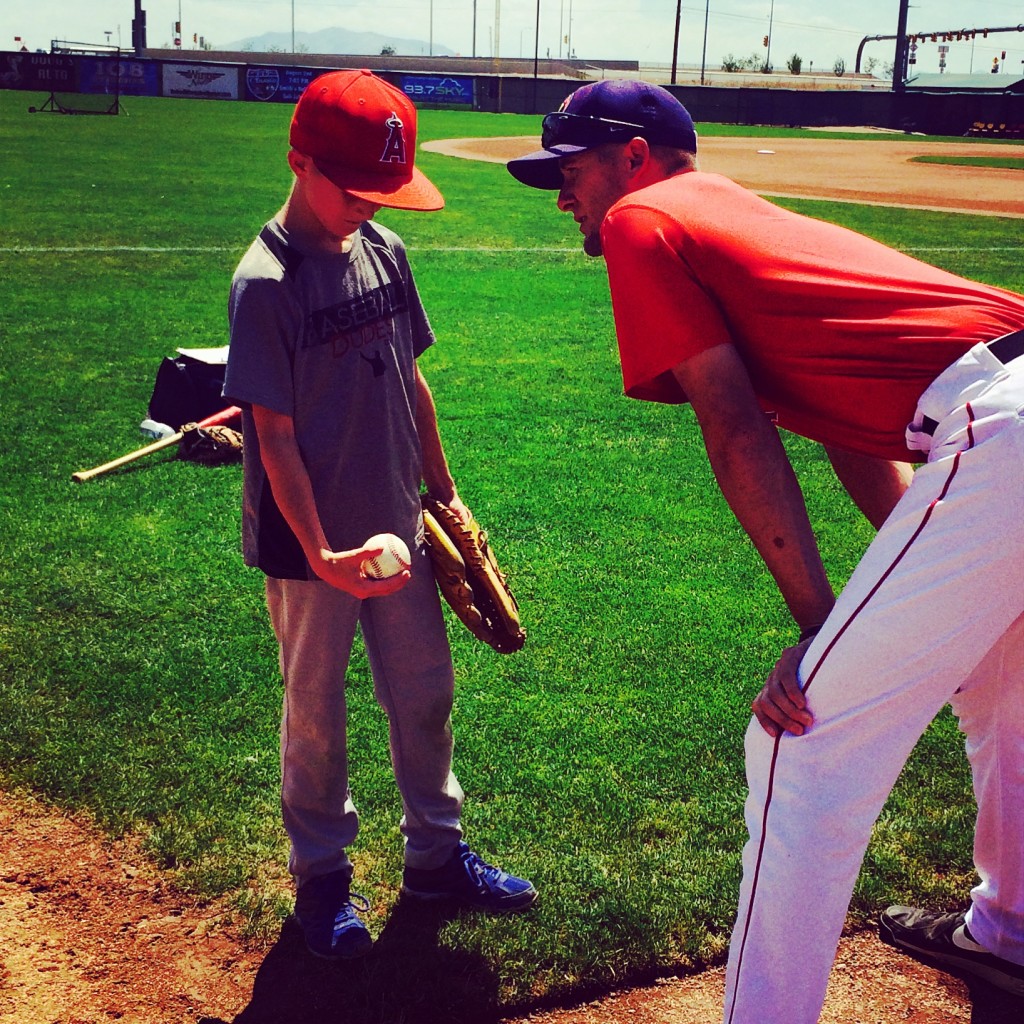 Woah…Slow down…
 Coaches & Parents…
 I woke up this morning thinking about our 9/10 year old Instructional League group. They are great. What a fun group of energized little people. They are all happy to be there. Want to learn and are doing their best to take in as much info as they can.
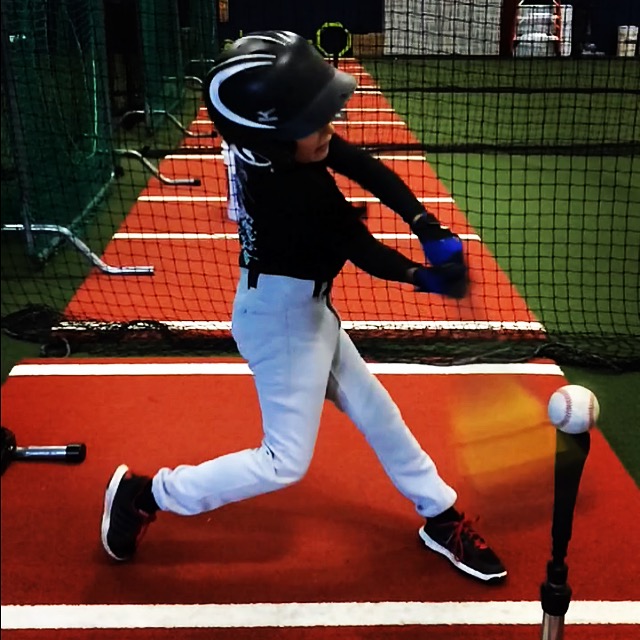 Any player can fall into a slump at any given time. No matter how good they are, at some point, it will happen.
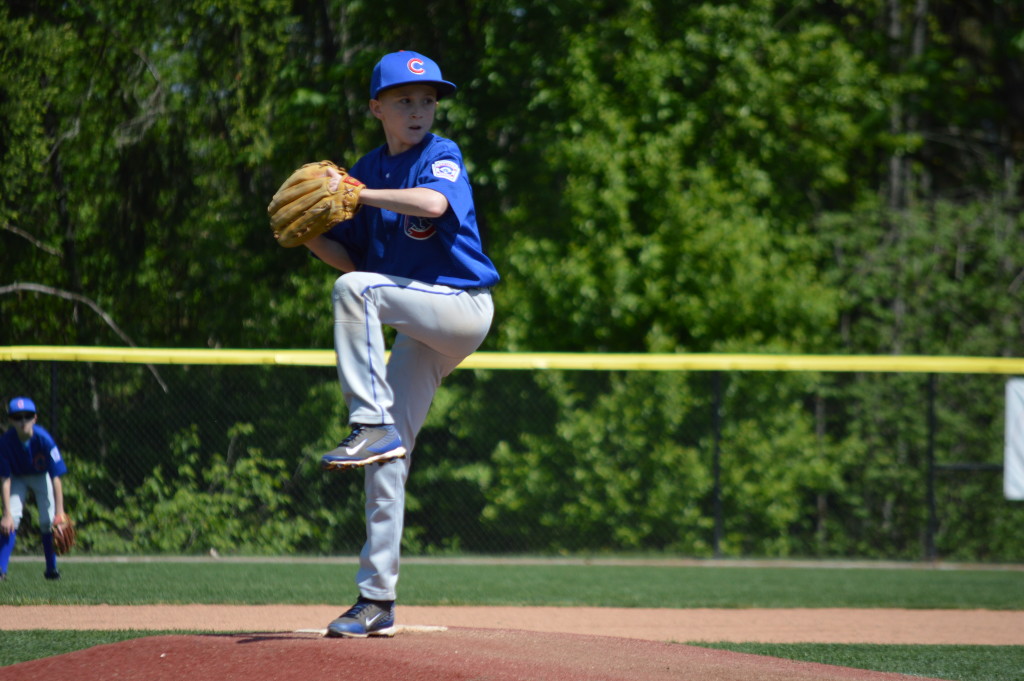 Parents and Coaches…
 Another great life lesson this game can teach you, if you allow it, is how to relate to all different types of people.
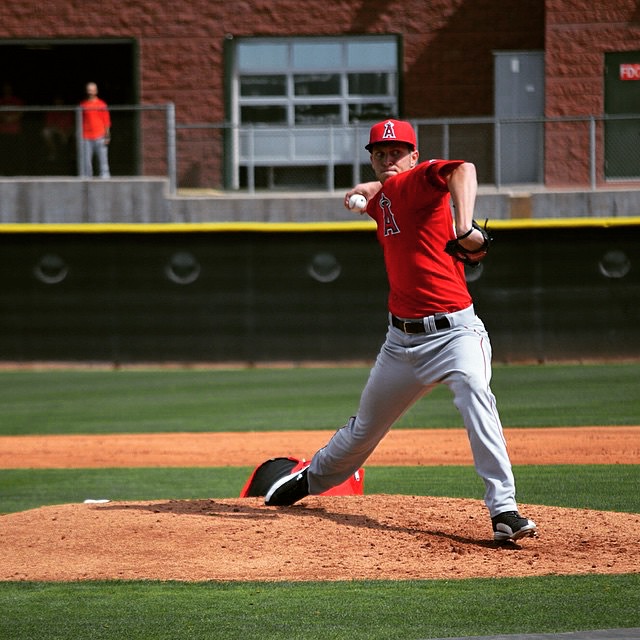 Both draw power from the lower half. Both need direction towards their target; Pitcher striding towards the catcher and the Hitter striding towards the Pitcher. Both use the hips to generate torque for the upper half to come through. Both need the upper half to stay closed as long as possible (until the stride foot hits the ground) for your upper half to come through with the most whip possible. They are both very similar to one another.
 Well neither does the person next to you, the person in front of you or the person behind you. I’m sorry to break the news to you but, you’re going to. You will do it more often than you would like to think about.